Welding and Fabrication Engineering
Overview
Job Growth
N/A
Duration
N/A
Avg. Salary
N/A
Career Paths
N/A
Program Description
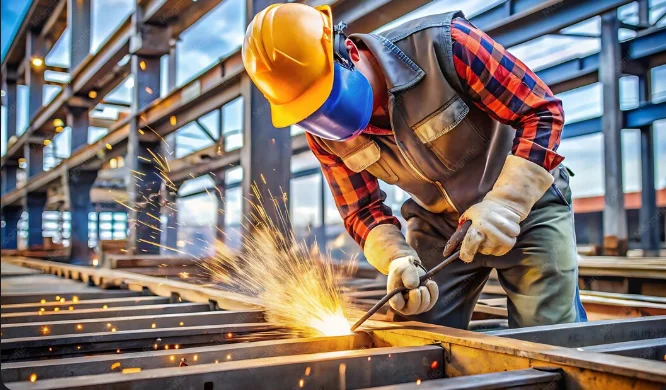
Welding and Fabrication Engineering teaches you how to join, shape, and assemble metal parts to build structures, machines, and everyday products. You will study welding processes (MIG, TIG, Arc), metal cutting and forming, reading and making technical drawings, material properties, workshop practice, and safety. Lessons combine classroom theory with hands-on projects so you learn practical skills employers need. Graduates can work as welders, fabricators, welding inspectors, maintenance technicians, or progress into mechanical or civil engineering and technical supervision roles. This program prepares you for local industry jobs in construction, manufacturing, automotive repair, and infrastructure, and opens pathways to higher technical training and certification. Start building useful skills and a reliable career in technology and infrastructure.
Aims & Objectives
Develop safe welding and workshop practices, demonstrated by completing practical safety assessments and wearing correct personal protective equipment
Master common welding processes, shown by producing acceptable MIG, TIG, and SMAW welds that meet basic quality criteria
Understand metal properties and material selection, measured by correctly choosing materials for assigned fabrication projects
Create and interpret technical drawings using CAD, demonstrated by completing at least two CAD-driven fabrication projects
Why Choose This Program?
Hands-on skills in demand
Provides practical abilities employers need in construction, manufacturing, and maintenance, making it easier to find local jobs.
Clear career pathways
Leads to roles as welder, fabricator, inspector, or technician, and allows progression to higher technical or engineering studies.
Real-world projects
Students build tangible items and learn problem-solving, giving confidence and a portfolio of work to show employers.
Industry and internship links
Program often connects students with local workshops, construction firms, and TVET centers for practical placements and apprenticeships.
Skills & Tools
Skills You'll Develop
Operate and control MIG, TIG, and SMAW equipment to produce strong, consistent welds for different metals and thicknesses.
Cut, bend, form, and assemble metal components using grinders, presses, and jigs to create accurate assemblies.
Use AutoCAD or SolidWorks to read and produce technical drawings, plan fabrication steps, and prepare CNC files.
Perform visual inspection, basic non destructive testing awareness, and measure weld quality against standards.
Tools & Resources
AutoCAD
SolidWorks
Welding simulation software
CNC controller software
Challenges & Tips
Challenges
Difficulty with technical mathematics and measurements
Understanding material properties and heat effects
Tips & Advice
Practice basic arithmetic and geometry used in layout work, ask teachers for extra exercises, and use measuring tools regularly.
Use simple experiments in the workshop, study examples from past projects, and request demonstrations from instructors.
Video Guide
Frequently Asked Questions
Ready to Apply?
Find programs that match your grades and interests - even if you haven't written WASSCE yet
Loading.. Please wait.

Talk to a Professional
Join a mentorship session with real professionals working in your field of interest.
 Real industry professionals
 Small groups (10-15 students)
 Starting at GH₵ 15 per session