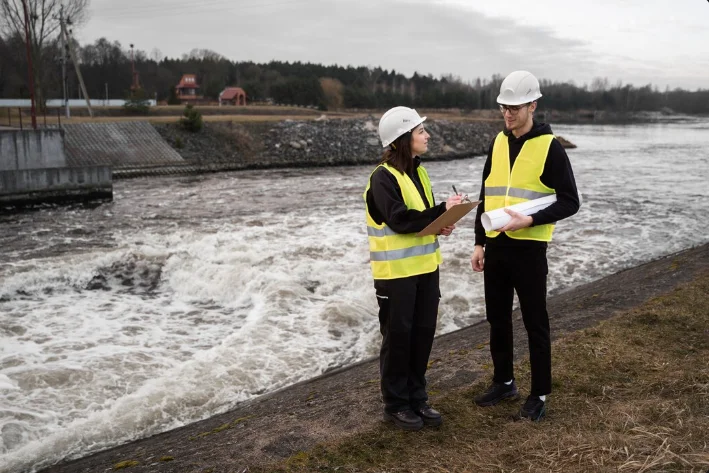
Water Resources Development
Overview
Job Growth
N/A
Duration
N/A
Avg. Salary
N/A
Career Paths
N/A
Program Description
Water Resources Development teaches how to manage water for agriculture, conserve the environment, and support sustainable rural development. You will study soil and crop management, irrigation systems, hydrology, water quality, and environmental conservation. The program combines classroom theory with hands-on field work on farms and water projects. Graduates can work as agronomists, environmental scientists, farm managers, soil scientists, or conservation officers in government agencies, NGOs, and private farms. This program is ideal if you care about farming, protecting natural resources, and using smart methods to help communities thrive.
Aims & Objectives
Develop practical skills in measuring soil properties, monitoring water quality, and scheduling irrigation, demonstrated by accurate field records.
Master basic design and operation of small-scale irrigation and water harvesting systems, shown through a completed site plan or model.
Understand principles of environmental impact assessment and apply them to simple farm projects with written reports.
Create and analyse field data sets using basic statistics and spreadsheets to support decision making in water management.
Why Choose This Program?
High local demand for water-smart skills
Ghanaian agriculture needs technicians who can manage scarce water, making graduates employable in farms, irrigation projects, and government programmes.
Hands-on, field-based learning
The program includes practical work on school farms and local water projects, so you gain real experience employers value.
Clear career pathways
Leads to jobs such as agronomist, soil scientist, farm manager, and conservation officer, and supports further study in environmental and agricultural sciences.
Opportunities with agencies and NGOs
Students can connect with bodies like the Irrigation Development Authority, conservation NGOs, and community water projects for internships and mentorship.
Skills & Tools
Skills You'll Develop
Use field kits and simple lab methods to measure soil pH, texture, moisture and basic water quality parameters to guide irrigation and crop choices.
Plan and operate small-scale irrigation, water harvesting and distribution systems, including scheduling to conserve water and boost yields.
Carry out basic assessments of how farm or water projects affect ecosystems, and recommend mitigation measures for sustainable practice.
Collect field data, use spreadsheets and simple GIS tools to map resources, analyse trends, and support planning decisions.
Tools & Resources
Microsoft Excel or LibreOffice Calc
QGIS or basic mapping tools
mobile data collection apps (ODK, KoboToolbox)
Challenges & Tips
Challenges
Understanding technical measurements and calculations
Applying theory to real sites
Tips & Advice
Practice with real field kits, use step-by-step guides, and study with classmates to build confidence.
Join school farm projects early, ask teachers for field assignments, and visit local farms to compare notes.
Video Guide
Frequently Asked Questions
Ready to Apply?
Find programs that match your grades and interests - even if you haven't written WASSCE yet
Loading.. Please wait.

Talk to a Professional
Join a mentorship session with real professionals working in your field of interest.
 Real industry professionals
 Small groups (10-15 students)
 Starting at GH₵ 15 per session