Theatre and Drama
Overview
Job Growth
N/A
Duration
N/A
Avg. Salary
N/A
Career Paths
N/A
Program Description
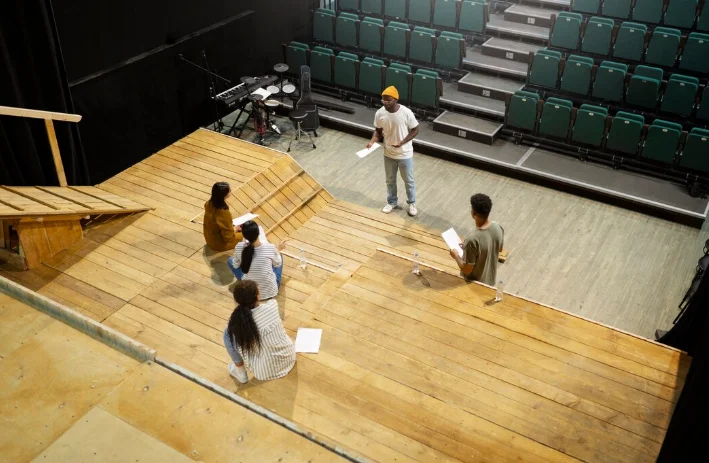
Theatre and Drama explores creative expression, storytelling, and performance. Students learn acting, voice and movement, scriptwriting, stagecraft, production design, and theatre history with special attention to Ghanaian and African traditions. Coursework mixes practical rehearsals, production work, and study of plays and performance theory. The program opens paths to careers in acting, directing, stage management, arts education and cultural institutions, and related creative roles like graphic design, writing, museum curation, and creative direction. It builds confidence, communication, and practical production skills useful in media, events, and community arts. Join to develop your voice, tell powerful stories, and turn creativity into real jobs and community impact.
Aims & Objectives
Develop confident performance skills, demonstrated by performing at least two class scenes or monologues in assessed showcases.
Master voice and movement techniques, showing measurable improvement in projection and clarity across term assessments.
Understand theatre history and cultural context, by researching and presenting a study on a Ghanaian or African play.
Create and stage a short production, taking responsibility for writing, design, or stage management and delivering a public performance.
Why Choose This Program?
Hands-on learning and real productions
You practice acting, directing, and technical roles through rehearsals and school shows, building a practical portfolio employers value.
Strong career pathways
Skills transfer to theatre, film, radio, events, education, museums, and creative industries such as design and journalism.
Cultural and community relevance
Study Ghanaian and African performance traditions, preparing you for culturally grounded storytelling and local arts work.
Industry connections and internships
Opportunities exist to work with community theatres, the National Theatre, festivals, and media groups for experience and mentorship.
Skills & Tools
Skills You'll Develop
Practical training in voice, movement, characterization, and improvisation for stage and screen applications.
Basics of lighting, sound, set building and stage management used to plan and run live performances.
Writing clear stage directions and dialogues, analyzing plays for theme, structure, and cultural context.
Recording and editing performances, creating promotional content and portfolios using common multimedia tools.
Tools & Resources
Adobe Premiere Pro or free video editors
Audacity or Adobe Audition for audio editing
Celtx or similar scriptwriting tools
Adobe Photoshop for posters and promotional design
Challenges & Tips
Challenges
Balancing rehearsal time with academic coursework
Understanding theory alongside practical work
Tips & Advice
Use a weekly schedule, prioritise deadlines, and communicate with teachers about rehearsal commitments.
Link readings to rehearsals, prepare short presentations on plays, and discuss theory in practical contexts.
Video Guide
Frequently Asked Questions
Ready to Apply?
Find programs that match your grades and interests - even if you haven't written WASSCE yet
Loading.. Please wait.

Talk to a Professional
Join a mentorship session with real professionals working in your field of interest.
 Real industry professionals
 Small groups (10-15 students)
 Starting at GH₵ 15 per session