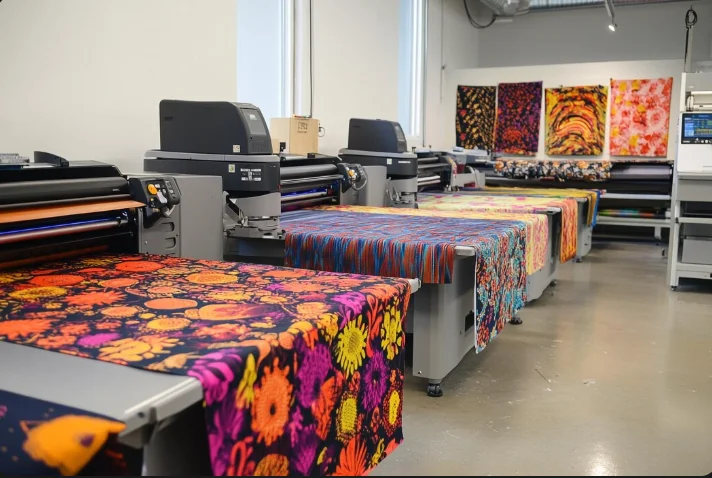
Textiles Production and Soft Furnishing
Overview
Job Growth
N/A
Duration
N/A
Avg. Salary
N/A
Career Paths
N/A
Program Description
Textiles Production and Soft Furnishing teaches students how to design, make, and finish fabrics and home textiles. You will learn about fibres, fabric construction, pattern drafting, sewing, dyeing, printing, and soft furnishing techniques for items like curtains, cushions, and upholstery. Lessons combine hands-on workshop practice with design studies and basic digital tools for surface pattern creation. This program opens doors to careers in textile and fashion design, interior soft furnishing, production and quality control, art teaching, and creative entrepreneurship. If you enjoy making things, solving design problems, and expressing culture through fabric, this course will help you build practical skills and a portfolio for further study or starting your own business.
Aims & Objectives
Develop practical sewing and pattern drafting skills to produce sample garments and soft furnishing items with consistent quality
Understand properties of natural and synthetic fibres, and apply appropriate dyeing and fabric finishing methods
Create original surface and textile designs using hand techniques and digital tools for print or embroidery
Manage small-scale production processes, including costing, quality control, and basic project planning
Why Choose This Program?
Hands-on practical training
Work in workshops to build real making skills you can show in a portfolio or sell as products.
Strong local and entrepreneurial opportunities
Ghana has a growing market for locally made textiles and home décor, ideal for starting crafts or small businesses.
Relevant digital and design skills
Learn industry tools for surface design and production that employers and studios value.
Pathway to creative careers
Leads to roles in textile and interior design, production, teaching, and creative direction, or further study.
Skills & Tools
Skills You'll Develop
Create templates and assemble soft furnishings and garments using machine and hand sewing techniques.
Use Adobe Illustrator and Photoshop to create repeat patterns, mockups, and print-ready artwork.
Apply resist dyeing, block printing, and basic screen or digital printing methods to fabrics.
Estimate material needs, cost items, and inspect finished products to meet quality standards.
Tools & Resources
Adobe Illustrator
Adobe Photoshop
Textile CAD or pattern layout software (school or lab versions)
Challenges & Tips
Challenges
Mastering precision in pattern cutting and sewing
Tips & Advice
Practice regularly on scrap fabric, follow step-by-step tasks, and ask teachers for targeted feedback.
Video Guide
Frequently Asked Questions
Ready to Apply?
Find programs that match your grades and interests - even if you haven't written WASSCE yet
Loading.. Please wait.

Talk to a Professional
Join a mentorship session with real professionals working in your field of interest.
 Real industry professionals
 Small groups (10-15 students)
 Starting at GH₵ 15 per session