Sustainable Development
Overview
Job Growth
N/A
Duration
N/A
Avg. Salary
N/A
Career Paths
N/A
Program Description
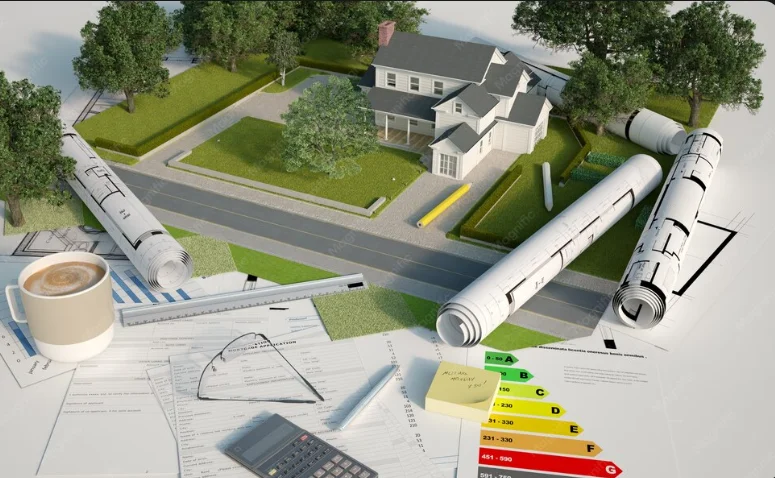
Sustainable Development in the Built Environment teaches how to design, build, and manage buildings and spaces that meet peoples needs while protecting the environment. Students study sustainable design, construction methods, materials, site surveying, environmental impact assessment, and basic project management. You will learn practical skills like drawing plans with CAD, doing site analysis, and planning energy-efficient buildings. The program leads to careers as an architect, urban planner, construction manager, surveyor, or environmental consultant, and opens pathways to further study at polytechnics and universities. If you enjoy solving practical problems and care about greener cities and infrastructure, this program gives you the tools to turn ideas into real, sustainable projects.
Aims & Objectives
Develop practical sustainable design solutions demonstrated by creating a simple eco-friendly building plan or model
Master basic CAD and digital modelling skills to produce accurate drawings and 2D plans
Understand and apply environmental impact assessment methods to identify and propose mitigation measures
Create and present a basic project plan and budget for a small construction or renovation project
Why Choose This Program?
High local demand for green infrastructure
Ghana is growing its cities and needs professionals who can design resilient, energy-efficient buildings and infrastructure.
Hands-on learning and site experience
Coursework includes site visits, materials tests, and practical drawing work that prepares you for real construction projects.
Clear career pathways
Graduates can move into architecture, urban planning, construction management, surveying, or environmental consultancy, with options for further study.
Industry connections and internships
Local firms, municipal planning offices, and polytechnics often offer internships and projects that build your portfolio and network.
Skills & Tools
Skills You'll Develop
Use AutoCAD or SketchUp to produce accurate 2D drawings and simple 3D models for building plans and site layouts.
Learn basic BIM concepts with tools like Revit or Free alternatives to coordinate designs and reduce errors in construction documents.
Apply passive cooling, natural lighting, material selection, and energy-saving strategies to reduce buildings environmental impact.
Perform site assessments, read maps, take measurements, and use GIS or basic surveying tools to inform design and placement decisions.
Tools & Resources
AutoCAD or LibreCAD for 2D drafting
SketchUp for quick 3D modelling
Revit or FreeCAD for BIM, and QGIS for basic mapping
Challenges & Tips
Challenges
Difficulty with technical drawing, maths, and physics concepts
Tips & Advice
Practice regularly, join study groups, and use step-by-step CAD tutorials to build competence. Seek extra lessons if needed.
Video Guide
Frequently Asked Questions
Ready to Apply?
Find programs that match your grades and interests - even if you haven't written WASSCE yet
Loading.. Please wait.

Talk to a Professional
Join a mentorship session with real professionals working in your field of interest.
 Real industry professionals
 Small groups (10-15 students)
 Starting at GH₵ 15 per session