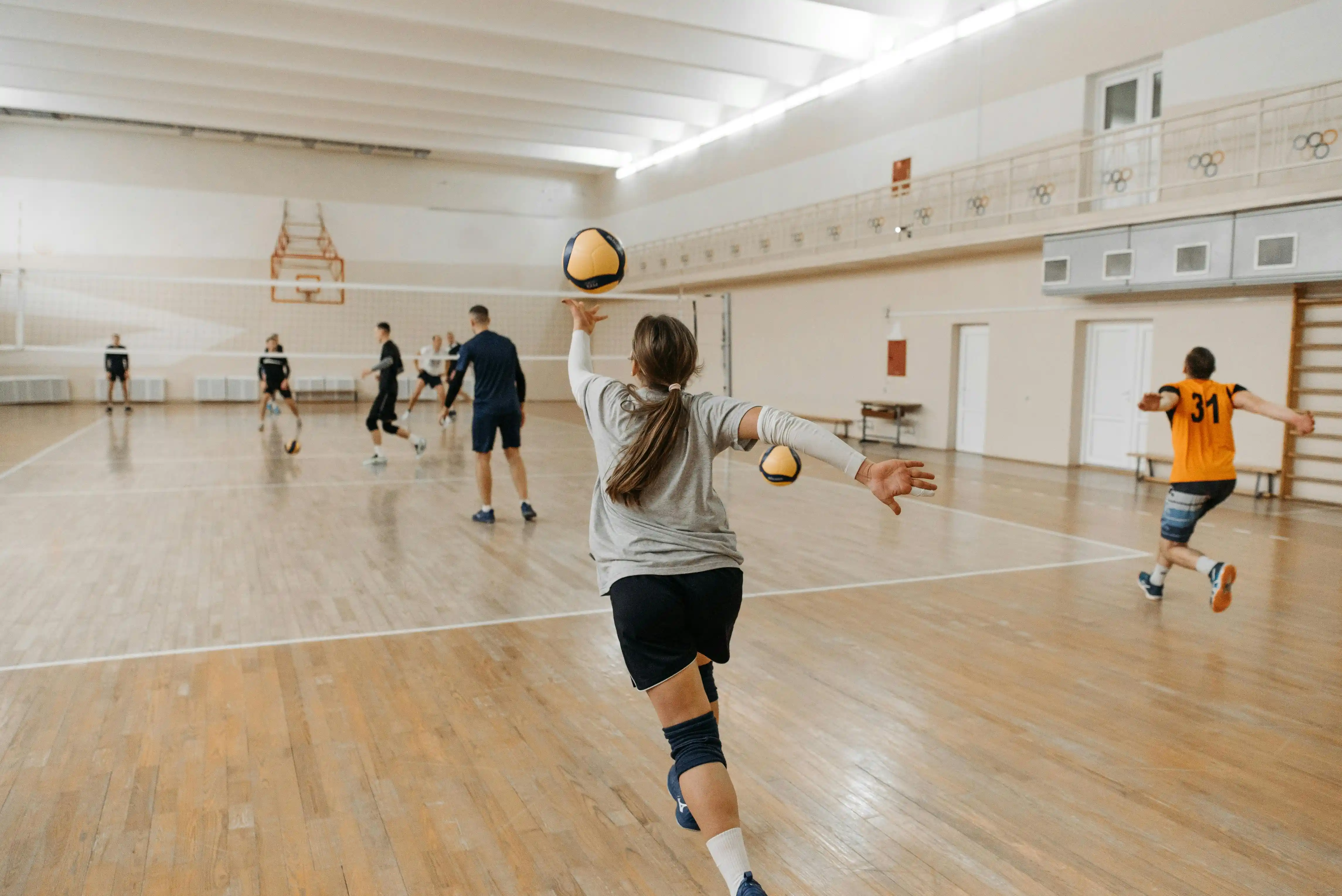
Sports and Physical Culture
Overview
Job Growth
N/A
Duration
N/A
Avg. Salary
N/A
Career Paths
N/A
Program Description
Sports and Physical Culture teaches how to promote health, fitness, and learning through sport. You will study physical education theory, coaching methods, anatomy and physiology, sports psychology, inclusive education, safety and first aid, and curriculum planning. The program mixes classroom study with practical sessions, focusing on lesson planning, assessment, and basic use of technology in coaching. Career paths include teacher, educational administrator, curriculum developer, sports coach, special education specialist, and educational consultant. Graduates can work in schools, community programs, youth clubs, and education agencies. If you enjoy sport, helping others, and leading activities, this program builds confident teaching and coaching skills for a meaningful career.
Aims & Objectives
Develop practical lesson plans and teaching units for physical education that meet curriculum standards, measurable by completed unit plans and observed lessons
Master safe coaching and activity supervision, measurable by first aid certification and supervised practical assessments
Understand basic anatomy, physiology, and sports psychology to support student development, measurable by written tests and applied case studies
Create and apply fair assessment tools for physical skills and fitness, measurable by use of rubrics and recorded student assessments
Why Choose This Program?
Clear career pathways
Leads to roles in schools, sports clubs, community programs, and educational administration, with steady demand for trained physical education teachers.
Hands-on learning
Practical classes and school placements build coaching, lesson delivery, and safety skills you will use on day one.
Positive social impact
You help improve youth health, teamwork, and confidence, making a real difference in schools and communities.
Local industry links and internships
Opportunities to work with schools, Ghana Education Service programs, and local clubs provide experience and networking.
Skills & Tools
Skills You'll Develop
Design age-appropriate PE lessons and yearly schemes of work that meet national curriculum objectives and learning outcomes.
Use practical tests, rubrics, and fitness assessments to measure student progress and adapt instruction.
Teach sport-specific skills, warm-ups, conditioning, and progression plans using safe, evidence-based coaching methods.
Apply video review, basic motion analysis, and digital records to track performance and support feedback.
Tools & Resources
Kinovea or basic video analysis tools
Google Workspace (Docs, Sheets) for planning and records
Video playback software (VLC) for review
Challenges & Tips
Challenges
Balancing theory and practical assessments
Meeting curriculum and certification standards
Tips & Advice
Create a study schedule that includes practical practice time, and link theory notes to real activities to reinforce learning.
Keep a checklist of required competencies and seek feedback from instructors during practical placements.
Video Guide
Frequently Asked Questions
Ready to Apply?
Find programs that match your grades and interests - even if you haven't written WASSCE yet
Loading.. Please wait.

Talk to a Professional
Join a mentorship session with real professionals working in your field of interest.
 Real industry professionals
 Small groups (10-15 students)
 Starting at GH₵ 15 per session