Respiratory Therapy
Overview
Job Growth
N/A
Duration
N/A
Avg. Salary
N/A
Career Paths
N/A
Program Description
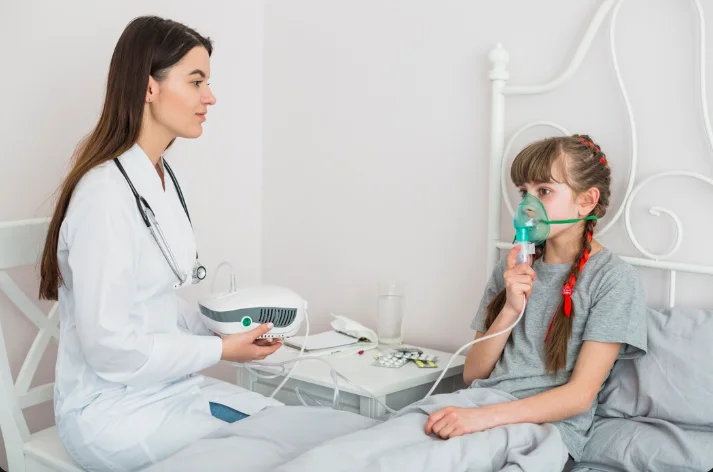
Respiratory Therapy trains students to assess, treat, and support patients with breathing and lung problems. You will study human anatomy and physiology, respiratory system pathophysiology, clinical assessment, mechanical ventilation, oxygen therapy, pulmonary function testing, infection control, and medical documentation. The program combines classroom theory with hands on clinical practice in hospitals and simulation labs. Graduates work in hospitals, intensive care units, emergency departments, outpatient clinics, home care services, and public health roles. With further study you can move into nursing, physiotherapy support roles, medical laboratory work, public health, or healthcare administration. This program opens a practical, in demand career where you help patients breathe easier and save lives.
Aims & Objectives
Develop accurate respiratory patient assessment skills, including history taking, auscultation, and basic vital sign interpretation.
Master operation and basic troubleshooting of respiratory equipment, such as ventilators, oxygen delivery systems, and suction devices.
Understand respiratory anatomy, physiology, and common pathologies, and interpret basic diagnostic data such as pulse oximetry and arterial blood gas results.
Apply infection control procedures and proper medical documentation in clinical settings, demonstrating accurate charting and handover.
Why Choose This Program?
Strong job demand
Respiratory care skills are in demand in Ghanaian hospitals, ICUs, and clinics, offering steady employment and career stability.
Hands on clinical training
Students gain practical experience through simulation labs and clinical placements in teaching hospitals, preparing you for real patient care.
Clear career pathways
Entry to clinical roles is immediate, with opportunities for further study into advanced respiratory therapy, nursing, or healthcare management.
Meaningful impact
You will work directly to improve breathing and save lives, giving daily professional satisfaction and community value.
Skills & Tools
Skills You'll Develop
Set up and monitor ventilators, understand common modes, perform basic troubleshooting, and assist with weaning strategies using ventilator interfaces and monitoring tools.
Perform airway suctioning, manage oxygen delivery devices such as masks and concentrators, and assist with intubation procedures under supervision.
Use spirometers, pulse oximeters, and peak flow meters to assess lung function, and interpret basic results to guide care.
Apply standard precautions, sterilization techniques, and accurate patient charting, including electronic record keeping where available.
Tools & Resources
Hospital electronic medical records (EMR)
Ventilator monitoring software
Challenges & Tips
Challenges
Complex anatomy and physiology of the respiratory system
Interpreting diagnostic data like arterial blood gases
Tips & Advice
Use diagrams, group study, and frequent short reviews. Practice with simulation and bedside observations to link theory to practice.
Learn step by step interpretation methods, use practice cases, and ask mentors to explain real patient results.
Video Guide
Frequently Asked Questions
Ready to Apply?
Find programs that match your grades and interests - even if you haven't written WASSCE yet
Loading.. Please wait.

Talk to a Professional
Join a mentorship session with real professionals working in your field of interest.
 Real industry professionals
 Small groups (10-15 students)
 Starting at GH₵ 15 per session