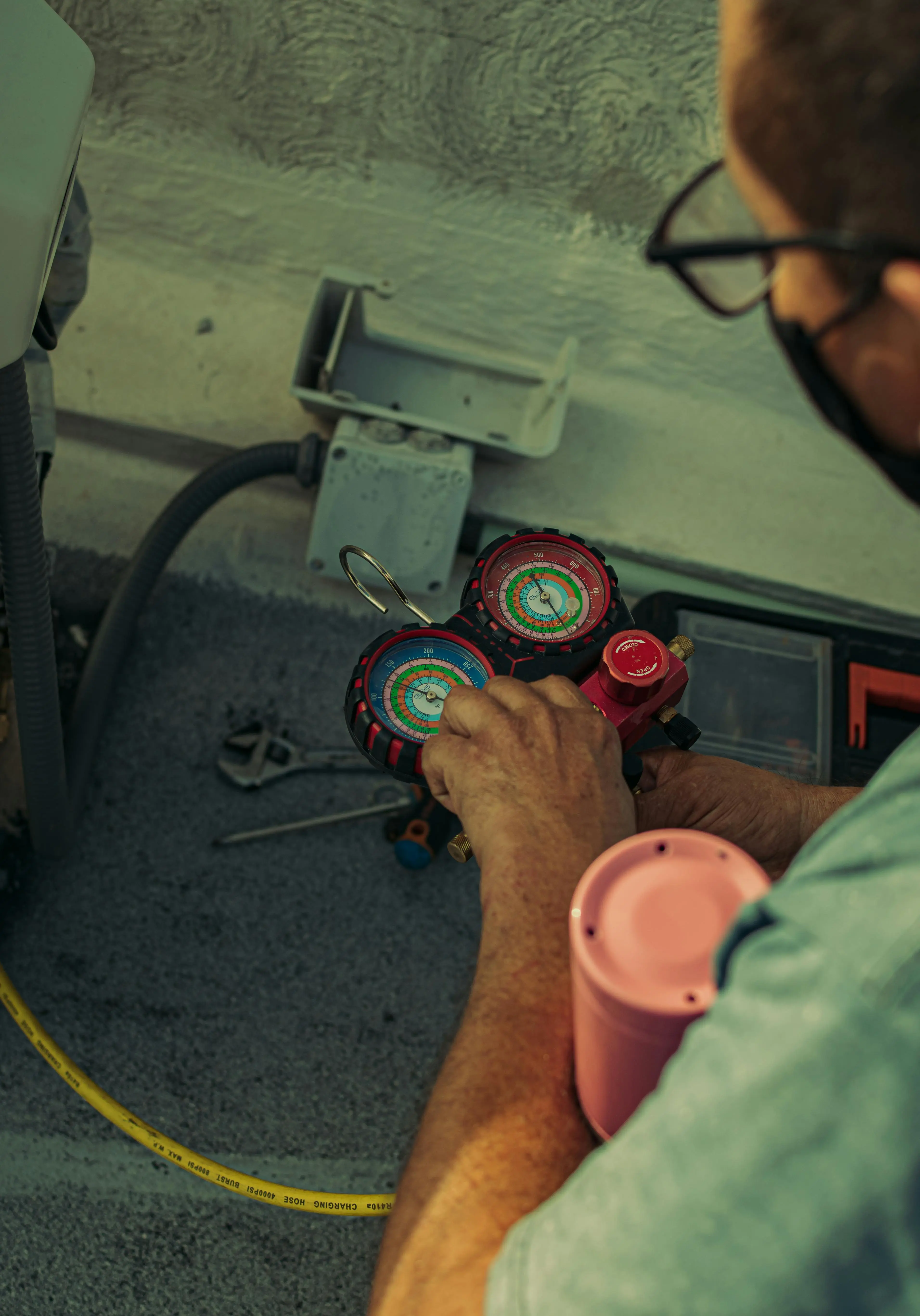
Refrigeration and Air Conditioning
Overview
Job Growth
N/A
Duration
N/A
Avg. Salary
N/A
Career Paths
N/A
Program Description
Refrigeration and Air Conditioning teaches you how to design, install, service, and maintain cooling and climate control systems used in homes, shops, hospitals, factories, and cold-storage facilities. You will study refrigeration cycles, thermodynamics, electrical controls, piping and brazing, system commissioning, and routine maintenance. Hands-on workshop practice and safety training are core parts of the program. Graduates can work as refrigeration technicians, HVAC installers, maintenance engineers, plant operators, or continue to study toward mechanical or electrical engineering roles. This program opens doors to jobs in cold chain logistics, supermarkets, health facilities, manufacturing, and building services across Ghana and beyond.
Aims & Objectives
Develop practical skills to install and commission refrigeration and air conditioning systems, demonstrated by completed workshop projects.
Master routine servicing and fault diagnosis using standard tools and checklists within allotted practical assessment time.
Understand refrigeration theory and electrical control principles, measured by passing written and practical exams.
Create safe working practices for handling refrigerants and high-voltage components, demonstrated by correct use of PPE and safety procedures.
Why Choose This Program?
High demand for skilled technicians
Ghana industry, retail, healthcare, and cold-chain sectors need trained HVAC and refrigeration staff, providing steady local job opportunities.
Hands-on, career-ready training
Strong practical workshops and real equipment practice prepare you to start work quickly after certification.
Clear pathways to further study
You can advance to higher technical diplomas or to mechanical or electrical engineering degrees with relevant experience.
Opportunities for apprenticeships
Many employers and technical training centres offer internships or on-the-job training that build skills and reduce training costs.
Skills & Tools
Skills You'll Develop
Use manifold gauges, leak detectors, and temperature measurement to find faults, perform vacuuming, and recharge systems safely.
Read wiring diagrams, work with starters, relays, thermostats, and electronic controllers used in HVAC systems.
Measure, bend, join, and insulate copper piping, and perform safe brazing and flaring for refrigerant lines.
Perform load estimates and use basic CAD tools to draft layouts for ducting and equipment placement.
Tools & Resources
AutoCAD or similar CAD tools
Basic HVAC load calculation software
Controller programming software
Challenges & Tips
Challenges
Weak foundations in physics and mathematics
Tips & Advice
Review core topics in thermodynamics and basic electrical theory, use extra tutorials, and practice problem sets regularly.
Video Guide
Frequently Asked Questions
Ready to Apply?
Find programs that match your grades and interests - even if you haven't written WASSCE yet
Loading.. Please wait.

Talk to a Professional
Join a mentorship session with real professionals working in your field of interest.
 Real industry professionals
 Small groups (10-15 students)
 Starting at GH₵ 15 per session