Radiography
Overview
Job Growth
N/A
Duration
N/A
Avg. Salary
N/A
Career Paths
N/A
Program Description
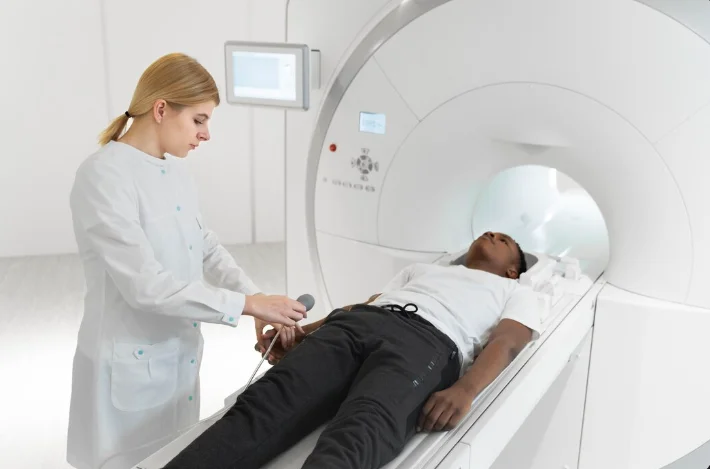
Radiography teaches students how to create medical images to help diagnose and treat disease. You will study human anatomy, physics of radiation, image acquisition, radiation safety, patient care, and basic image processing. Practical training includes operating X-ray equipment, positioning patients safely, and following infection control and documentation procedures. Graduates can work as diagnostic radiographers, X-ray technologists, CT or MRI assistants, PACS operators, or pursue further training in medical imaging or healthcare management. This program suits students who enjoy science, care for people, and want a hands on role in health services. It leads to stable job opportunities in hospitals, clinics, diagnostic centers, and public health facilities across Ghana and beyond.
Aims & Objectives
Develop competence in safe patient positioning and operation of diagnostic X-ray equipment, demonstrated by successful practical assessments.
Master radiation protection and infection control procedures, shown by passing laboratory safety checks and written tests.
Understand human anatomy and radiographic anatomy well enough to produce and interpret basic diagnostic images, measured by exam scores and image review exercises.
Apply medical documentation and image data management skills using PACS and standard reporting formats, demonstrated by completed clinical case logs.
Why Choose This Program?
High demand and clear career path
Hospitals and diagnostic centers in Ghana need trained radiographers, so graduates have strong employability and options for specialisation.
Hands on patient care role
You work directly with patients to help diagnose illness, giving visible, practical impact on health outcomes and patient experience.
Technical and transferable skills
You learn modern imaging technologies, data management, and clinical procedures that open doors to related roles like PACS administration or healthcare management.
Clinical placements and industry links
Program includes hospital placements and partnerships that provide real-world experience, mentorship, and networking for future jobs.
Skills & Tools
Skills You'll Develop
Operate digital and computed radiography systems to capture diagnostic images, apply exposure settings, and perform basic post processing.
Apply ALARA principles, use lead shielding and monitoring devices, and follow regulatory protocols to minimise exposure to patients and staff.
Position patients correctly, assess clinical needs, communicate procedures clearly, and maintain infection control during imaging.
Use PACS and basic radiology information systems to store, retrieve, and annotate images, and prepare accurate clinical documentation.
Tools & Resources
PACS (Picture Archiving and Communication System)
DICOM viewers and basic image processing software
Challenges & Tips
Challenges
Strong science foundation required, especially physics and anatomy
Hands on skills need practice to master
Tips & Advice
Focus on core topics during SHS, join extra tutorials, and use online videos to strengthen weak areas.
Use simulation labs, volunteer for clinical attachments, and practice positioning with peers under supervision.
Video Guide
Frequently Asked Questions
Ready to Apply?
Find programs that match your grades and interests - even if you haven't written WASSCE yet
Loading.. Please wait.

Talk to a Professional
Join a mentorship session with real professionals working in your field of interest.
 Real industry professionals
 Small groups (10-15 students)
 Starting at GH₵ 15 per session