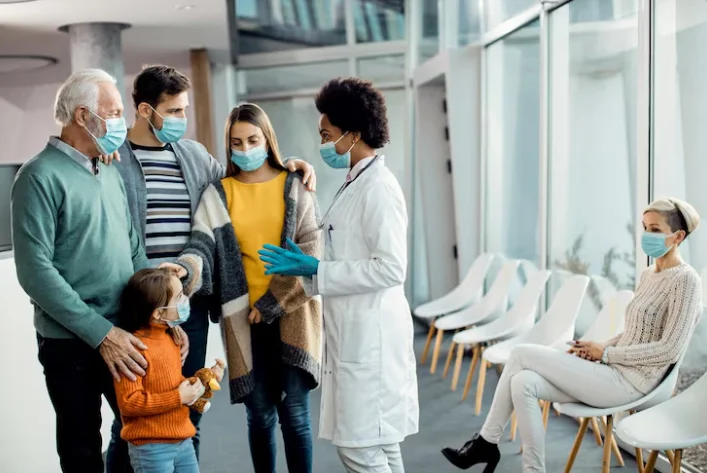
Public Health
Overview
Job Growth
N/A
Duration
N/A
Avg. Salary
N/A
Career Paths
N/A
Program Description
Public Health is the study of how to protect and improve the health of communities. You will learn about disease prevention, health promotion, basic anatomy, epidemiology, biostatistics, environmental health, health policy, and community outreach. The program combines classroom study with fieldwork and practical skills such as infection control, health data recording, and patient assessment. Graduates can work as Public Health Officers, Registered Nurses, Medical Laboratory Technicians, Physiotherapists, or Healthcare Administrators, and can join government health services, NGOs, clinics, or research teams. If you care about helping people and solving health problems in communities, this program gives you the knowledge and hands-on experience to make a real difference.
Aims & Objectives
Develop the ability to conduct community health assessments and report findings using basic epidemiological methods.
Master infection control procedures and safe patient handling in clinical and community settings.
Understand and apply health data management techniques, including basic statistics and routine reporting.
Create and deliver clear health promotion materials and outreach activities targeted to local populations.
Why Choose This Program?
Strong job demand
Public health skills are needed across Ghana in hospitals, community clinics, government agencies, and NGOs, offering multiple career paths.
Hands-on learning
The program includes fieldwork and practical training that build real-world clinical and community skills.
Pathway to further study
Completing this program opens routes to nursing, laboratory science, health administration, and public health degrees.
Industry connections and internships
Students often access placements with Ghana Health Service, district health teams, and local NGOs for supervised experience.
Skills & Tools
Skills You'll Develop
Learn vital signs measurement, basic clinical observation, triage principles, and how to document patient encounters.
Use Excel, DHIS2, and basic statistical methods to collect, clean, analyse, and visualise public health data.
Apply standard precautions, proper use of personal protective equipment, and outbreak prevention protocols.
Prepare routine reports, case notification forms, and health education materials in line with Ghanaian health reporting standards.
Tools & Resources
Microsoft Excel
DHIS2
Epi Info or R for basic analysis
Challenges & Tips
Challenges
Statistics and data analysis can be difficult for students without a maths background.
Balancing theory with practical fieldwork workload.
Tips & Advice
Focus on basic Excel skills first, join study groups, and practise with real datasets from class.
Create a weekly schedule, communicate with supervisors early, and prioritise tasks during placements.
Video Guide
Frequently Asked Questions
Ready to Apply?
Find programs that match your grades and interests - even if you haven't written WASSCE yet
Loading.. Please wait.

Talk to a Professional
Join a mentorship session with real professionals working in your field of interest.
 Real industry professionals
 Small groups (10-15 students)
 Starting at GH₵ 15 per session