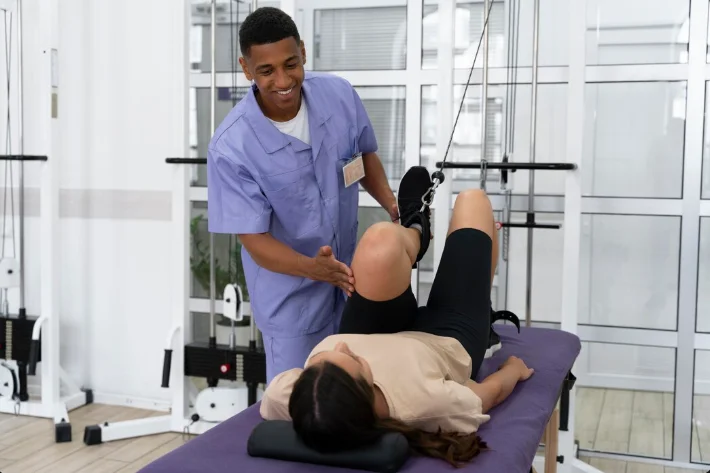
Physiotherapy and Sports Science
Overview
Job Growth
N/A
Duration
N/A
Avg. Salary
N/A
Career Paths
N/A
Program Description
Physiotherapy and Sports Science is a practical program that teaches how to help people recover movement, prevent injuries, and improve physical performance. Students study human anatomy, physiology, biomechanics, therapeutic exercise, injury assessment, rehabilitation techniques, and basic public health. The program combines classroom learning with hands-on practice in clinics and sports settings. Graduates can work as physiotherapists, sports therapists, rehabilitation assistants, public health officers, or in healthcare administration and sports performance roles. This pathway is ideal for students who enjoy science, working with people, and improving health through movement. With strong demand in Ghana’s hospitals, clinics, schools and sports teams, the program prepares you for a caring, skilled career that makes a visible difference in people’s lives.
Aims & Objectives
Develop accurate patient assessment skills to evaluate mobility, strength, and functional limitations using standard tests.
Master therapeutic exercise design and manual therapy techniques to create measurable rehabilitation plans.
Understand anatomy, physiology, and biomechanics to explain causes of common injuries and diseases.
Create and document evidence-based treatment plans and monitor patient progress using clinical records.
Apply infection control and safe equipment operation procedures in clinical and sports environments.
Why Choose This Program?
Strong Job Demand
High need for rehabilitation and sports health services in Ghana’s hospitals, clinics and schools, improving employability.
Hands-on Learning
Practical clinical placements and sports internships let you apply skills with real patients and athletes.
Career Flexibility
Qualifies you for roles in physiotherapy, sports performance, public health, rehabilitation and healthcare administration.
Community Impact
Work directly to restore independence, reduce pain, and promote healthy lifestyles in your community.
Pathway to Specialisation
Opportunities for further study (e.g., advanced physiotherapy, sports science, public health) and professional registration.
Skills & Tools
Skills You'll Develop
Use standardized mobility, strength and functional tests to identify problems and set measurable treatment goals.
Design and progress individualized exercise programs for rehabilitation and sports performance using evidence-based protocols.
Operate clinical devices such as goniometers, electrotherapy (TENS/ultrasound) and basic diagnostic tools safely and effectively.
Record and interpret patient data using Electronic Health Records and medical databases to monitor outcomes.
Implement hygiene standards, sterilisation and PPE use to protect patients and staff in clinical settings.
Tools & Resources
Electronic Health Records (EHR) systems
Medical databases and research platforms
Exercise prescription and rehab apps
Healthcare management systems
Challenges & Tips
Challenges
Heavy science content and technical terms.
Hands-on skill development requires practice.
Tips & Advice
Break study into focused sessions, use diagrams for anatomy, and join study groups to review clinical cases.
Attend practical labs regularly, practise with classmates, and request feedback from supervisors during placements.
Video Guide
Frequently Asked Questions
Ready to Apply?
Find programs that match your grades and interests - even if you haven't written WASSCE yet
Loading.. Please wait.

Talk to a Professional
Join a mentorship session with real professionals working in your field of interest.
 Real industry professionals
 Small groups (10-15 students)
 Starting at GH₵ 15 per session