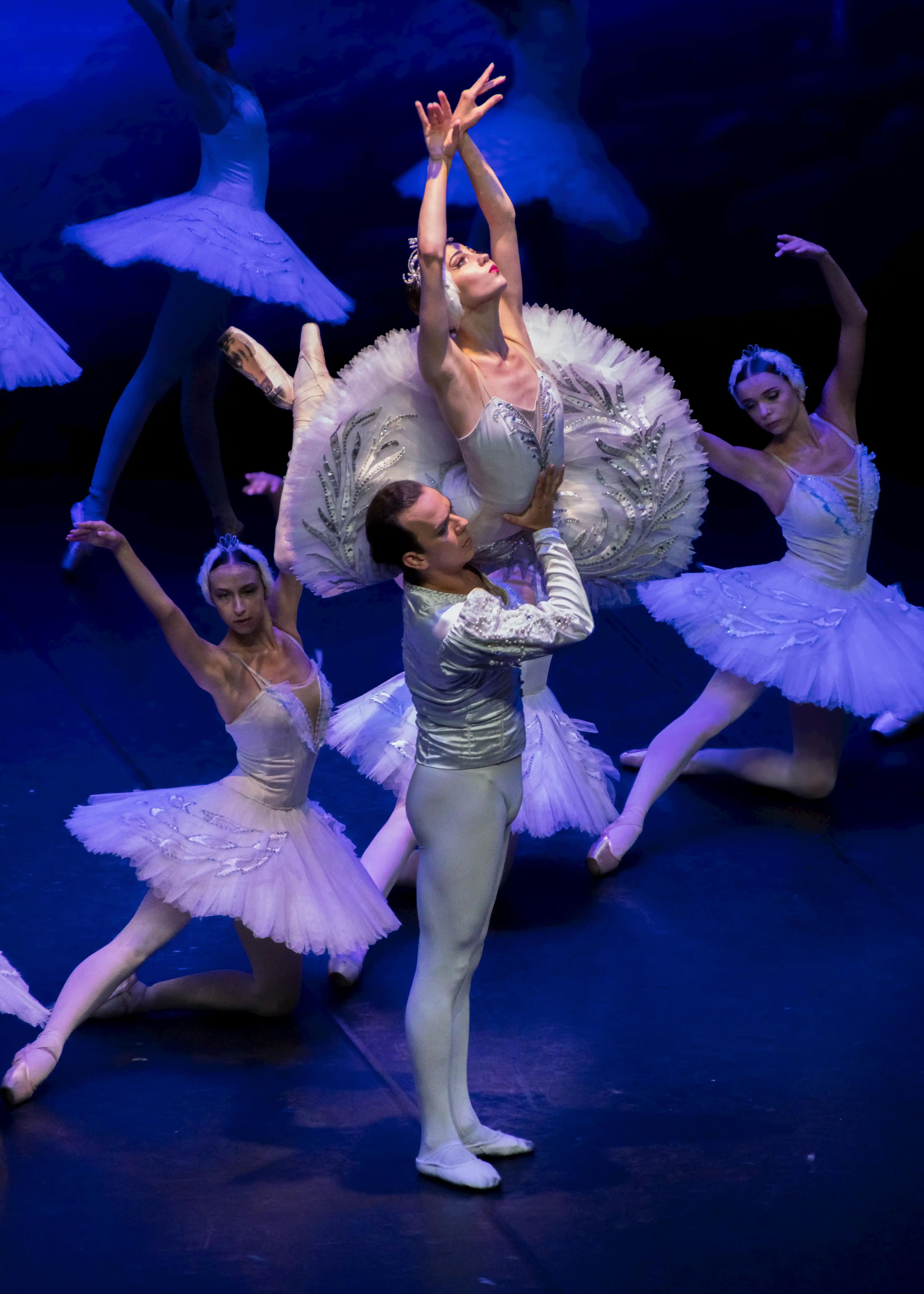
Performing Arts (Music, Dance, Theatre Arts)
Overview
Job Growth
N/A
Duration
N/A
Avg. Salary
N/A
Career Paths
N/A
Program Description
The Performing Arts (Music, Dance, Theatre Arts) program trains students to teach, create, and share music, movement, and drama in education settings. You will study music theory and practice, vocal and instrumental skills, dance techniques and choreography, acting and stagecraft, plus lesson planning and classroom management. The program prepares you for careers as a teacher, educational administrator, curriculum developer, special education specialist, or educational consultant in schools, community centres, and cultural organisations. You will develop practical teaching skills, performance confidence, and the ability to design inclusive lessons that support Ghanaian learners. This pathway opens doors to classroom work, youth programmes, arts education projects, and further study in education or the arts.
Aims & Objectives
Develop lesson plans and learning activities for music, dance, and drama aligned with basic education syllabuses, assessable through submitted schemes and unit plans.
Master practical performance skills in at least two disciplines, demonstrated by staged class performances and recordings.
Understand principles of child development and classroom management for creative lessons, measured by classroom observations and behaviour plans.
Create and evaluate formative and summative assessments for performing arts, shown through student assessment tasks and marking records.
Why Choose This Program?
Strong career pathways
Leads directly to teaching roles and educational posts, and supports careers in curriculum development, arts administration, and community education.
Hands-on learning
Practical classes, performances, and school-based teaching practice build real classroom and stage experience employers value.
Community and cultural impact
You can use arts to support child development, inclusive education, and community outreach, making a visible social difference.
Opportunities for internships and partnerships
Programs often link with local schools, the National Theatre, cultural centres, and arts groups for workshops and placements.
Skills & Tools
Skills You'll Develop
Create structured schemes of work, lesson plans, and assessment tasks that align with Ghanaian curricula and learning outcomes.
Apply practical skills in singing, instruments, dance, and acting, and direct small productions for class or community presentation.
Design and mark formative and summative assessments, use rubrics, and track learner progress in the arts.
Record and edit student performances, use audio and video tools for teaching, and incorporate presentation software into lessons.
Tools & Resources
Digital Audio Workstation (Audacity, Reaper)
Music notation software (MuseScore)
Video editing software (OpenShot, Kdenlive)
Presentation tools (PowerPoint, Google Slides)
Challenges & Tips
Challenges
Balancing practical practice and academic study
Meeting assessment standards for both performance and teaching tasks
Tips & Advice
Create a weekly timetable that allocates specific slots for practice, theory study, and assignment preparation.
Use rubrics provided by teachers, record rehearsals for self-evaluation, and seek regular feedback.
Video Guide
Frequently Asked Questions
Ready to Apply?
Find programs that match your grades and interests — even if you haven't written WASSCE yet