Nutrition and Dietetics
Overview
Job Growth
N/A
Duration
N/A
Avg. Salary
N/A
Career Paths
N/A
Program Description
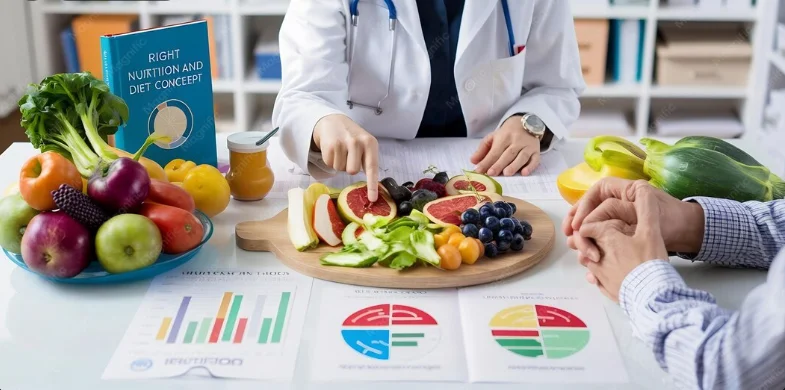
Nutrition and Dietetics trains students to understand how food affects health, growth, and recovery. You will study human biology, biochemistry, food science, clinical nutrition, community nutrition, and meal planning. The program teaches how to assess nutritional status, design therapeutic diets, promote healthy eating, and support patients in hospitals and communities. Graduates can work as dietitians, nutritionists, public health officers, food service managers, or proceed to further study in health sciences. If you care about health, science, and helping people, this program opens practical and rewarding pathways in Ghana's growing healthcare and public health sectors.
Aims & Objectives
Develop the ability to perform nutritional assessments using anthropometry, dietary histories, and basic biochemical indicators.
Master the design and implementation of therapeutic and culturally appropriate meal plans for individuals and groups.
Understand human anatomy and physiology as they relate to digestion, metabolism, and disease prevention.
Create and evaluate community nutrition programs, using measurable indicators to assess impact.
Why Choose This Program?
Strong job demand in health and community sectors
Ghana needs trained nutrition professionals in hospitals, clinics, schools, and NGOs to address malnutrition and chronic diseases.
Hands-on practical training
Training includes food labs, dietary assessment practice, and clinical placements that build real-world skills employers seek.
Clear career and study pathways
You can work as a nutritionist or dietitian, move into public health, or continue to specialized degrees and research.
Direct impact on public health
Work in this field helps prevent disease, improve maternal and child health, and support community nutrition initiatives.
Skills & Tools
Skills You'll Develop
Measure weight, height, body mass index, mid-upper arm circumference, and interpret scores to identify malnutrition and growth problems.
Design diets for conditions like diabetes, hypertension, and undernutrition using food composition data and portion control.
Apply standards for safe food handling, storage, and preparation to prevent foodborne illness in institutions and communities.
Use spreadsheets and basic nutrition software to record dietary intake, analyse nutrient content, and track program indicators.
Tools & Resources
Microsoft Excel
NutriSurvey or other nutrient analysis tools
food composition databases
Challenges & Tips
Challenges
Strong science background required
Balancing theory and practical work
Tips & Advice
Strengthen biology, chemistry, and basic math at SHS. Use extra tutorials and online resources to build confidence.
Set a study schedule that includes hands-on practice, and join lab groups to reinforce learning.
Video Guide
Frequently Asked Questions
Ready to Apply?
Find programs that match your grades and interests - even if you haven't written WASSCE yet
Loading.. Please wait.

Talk to a Professional
Join a mentorship session with real professionals working in your field of interest.
 Real industry professionals
 Small groups (10-15 students)
 Starting at GH₵ 15 per session