Medical Laboratory Science
Overview
Job Growth
N/A
Duration
N/A
Avg. Salary
N/A
Career Paths
N/A
Program Description
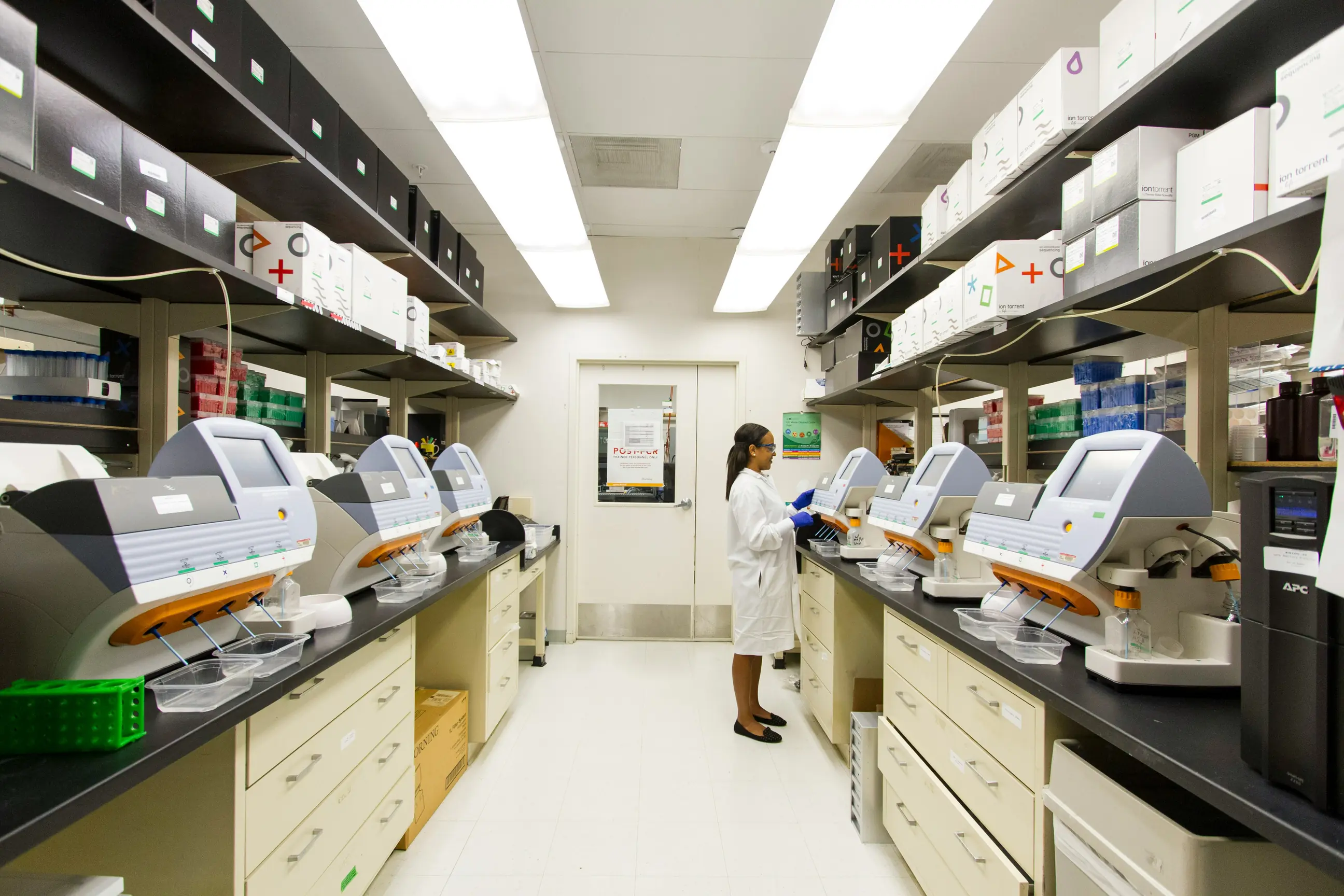
Medical Laboratory Science trains you to become a skilled laboratory professional who performs tests that help diagnose and treat disease. In this program you will study biology, chemistry, hematology, microbiology, immunology, clinical chemistry and laboratory safety. You will learn practical skills such as blood testing, microscope work, using diagnostic machines, infection control and medical record-keeping. Graduates can work as Medical Laboratory Technicians/Scientists, Public Health Officers, Healthcare Administrators, research assistants or join hospital diagnostic teams. The program is hands-on and prepares SHS students for meaningful roles in patient care and public health, with strong demand in Ghana’s hospitals, clinics, research centres and public health services. If you enjoy science and helping others, this program offers a clear path into healthcare with steady job prospects.
Aims & Objectives
Develop practical competence in common laboratory techniques (microscopy, blood counts, urinalysis) and demonstrate accurate test performance.
Master use and basic maintenance of laboratory instruments (centrifuges, analyzers) and follow quality assurance procedures.
Understand human anatomy, physiology and disease processes to interpret laboratory results and communicate findings.
Create complete, accurate laboratory records and reports using standard medical documentation and laboratory information systems.
Analyze and manage basic health data to support diagnosis, infection control and public health decision-making.
Why Choose This Program?
Strong Job Demand
Hospitals, clinics and public health units in Ghana consistently need trained lab professionals for diagnostics and disease control.
Hands-on Learning
Practical lab sessions and clinical placements give real experience using diagnostic equipment and procedures.
Clear Career Pathways
Leads to roles as Medical Laboratory Technician/Scientist, Public Health Officer, research assistant or healthcare administrator.
Impact on Patient Care
Your work directly supports diagnosis and treatment, making a measurable difference in patient outcomes and community health.
Industry Connections & Internships
Programs often include internships in hospitals and public health labs, helping you build professional networks and practical skills.
Skills & Tools
Skills You'll Develop
Prepare and examine blood, tissue and microbiology slides to identify cells, parasites and pathogens.
Operate analyzers for blood counts, glucose, liver and kidney tests and interpret numerical results.
Understand and perform basic molecular testing workflows used in infectious disease detection and research.
Use electronic health records and laboratory information systems to record results, manage samples and report findings.
Apply standard precautions, proper waste disposal and biosafety practices to protect patients and staff.
Tools & Resources
Laboratory Information System (LIS)
Electronic Health Records (EHR) platforms
Medical databases (PubMed, HINARI)
Healthcare management systems
Challenges & Tips
Challenges
Heavy science workload (biology, chemistry, microbiology)
Mastering laboratory techniques under pressure
Tips & Advice
Create a study schedule, join study groups and focus on understanding core concepts through hands-on practice.
Practice regularly in simulated labs, ask instructors for demonstrations, and review standard operating procedures.
Video Guide
Frequently Asked Questions
Ready to Apply?
Find programs that match your grades and interests - even if you haven't written WASSCE yet
Loading.. Please wait.

Talk to a Professional
Join a mentorship session with real professionals working in your field of interest.
 Real industry professionals
 Small groups (10-15 students)
 Starting at GH₵ 15 per session