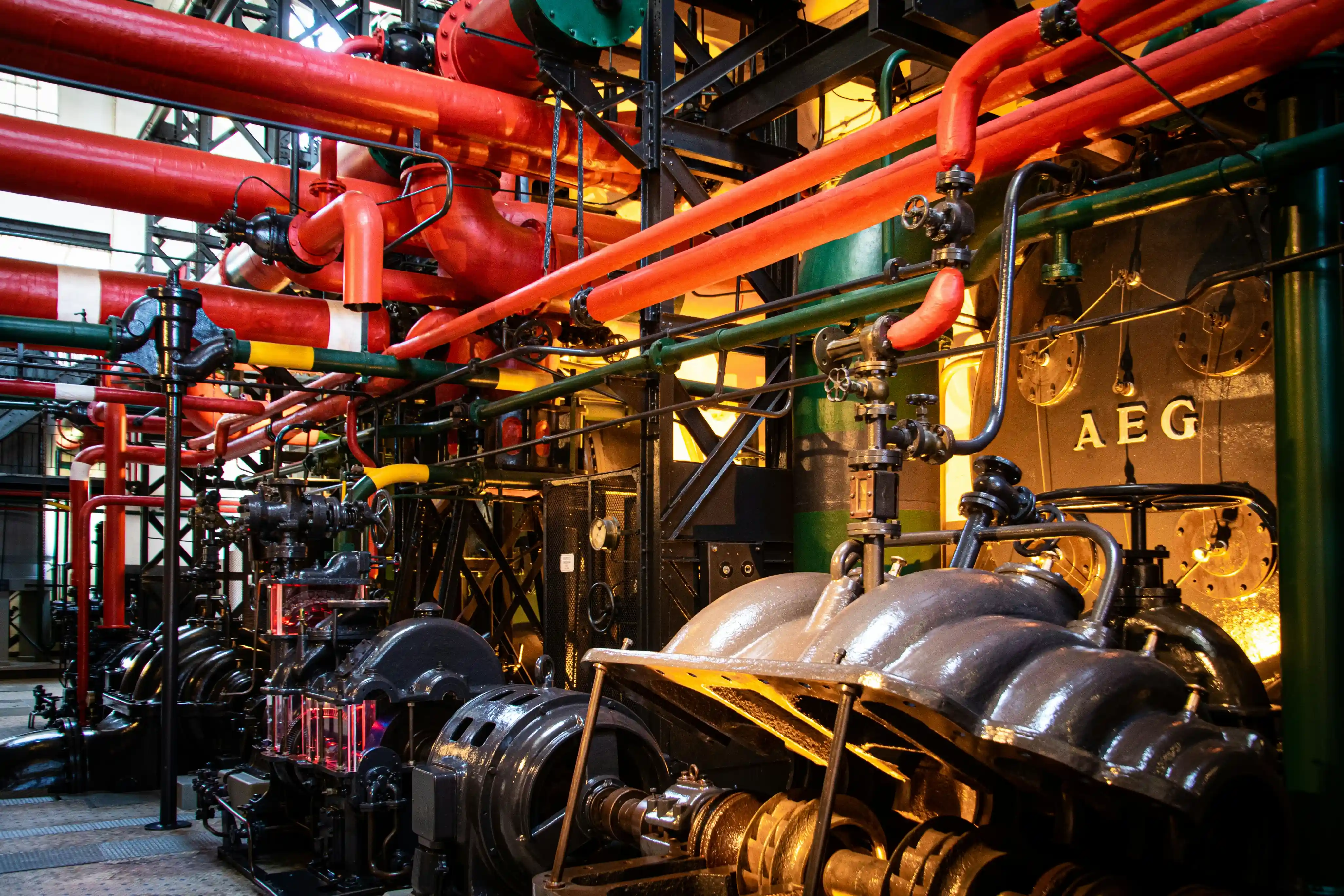
Mechanical Engineering (Plant)
Overview
Job Growth
N/A
Duration
N/A
Avg. Salary
N/A
Career Paths
N/A
Program Description
Mechanical Engineering (Plant) teaches students how to design, build, operate, and maintain large mechanical systems and industrial plants. You will study mechanics, thermodynamics, materials, fluid systems, hydraulics and pneumatics, instrumentation, control systems, and Computer-Aided Design (CAD). The program combines classroom theory with workshop practice and industrial visits. Graduates can work as mechanical engineers, plant or maintenance engineers, project engineers, or technicians in power plants, factories, water treatment, oil and gas, construction, and manufacturing. The course builds strong problem-solving, technical drawing, and systems-thinking skills, preparing you for further study or direct entry into industry. If you enjoy hands-on work, maths and technology, this program opens practical and high-demand career paths in Ghana and beyond.
Aims & Objectives
Develop practical skills in workshop practice, fitting, and plant maintenance, demonstrated by successful completion of lab tasks and shop projects.
Master CAD and technical drawing to produce accurate assembly drawings and part designs to industry standards.
Understand and apply principles of thermodynamics, fluid mechanics, and materials to analyse and solve plant system problems.
Create and test simple control and automation solutions, showing competence in basic PLC programming and instrumentation.
Why Choose This Program?
High industry demand
Plant engineers and maintenance technicians are needed across Ghana in power, manufacturing, water, and mining sectors, giving strong local job prospects.
Hands-on practical training
Workshops, lab exercises, and industrial visits build real skills you can use on the job from day one.
Wide career pathways
Skills transfer to roles in mechanical, electrical, civil, and automation fields, and support progression to higher education or technical leadership.
Industry links and internships
Programs often include placements or collaborations with local plants and companies, helping you gain workplace experience and contacts.
Skills & Tools
Skills You'll Develop
Use tools such as SolidWorks or AutoCAD to create part models, assembly drawings, and manufacturing drawings for plant equipment.
Inspect, troubleshoot, and maintain mechanical systems including pumps, compressors, turbines, hydraulic and pneumatic equipment.
Program and test simple control logic for plant processes using PLC software and relay logic techniques.
Apply mechanics, thermodynamics, and fluid dynamics equations to size components and predict system performance.
Tools & Resources
SolidWorks or AutoCAD
MATLAB or equivalent modelling tools
PLC programming software (such as Siemens TIA Portal) / simulators
Challenges & Tips
Challenges
Difficulty with advanced mathematics and physics
Mastering technical drawing and CAD
Tips & Advice
Strengthen fundamentals early using extra tutorials, past papers, and online courses focused on mechanics and thermodynamics.
Practice regularly on simple projects, use student software versions, and follow step-by-step tutorials to build confidence.
Video Guide
Frequently Asked Questions
Ready to Apply?
Find programs that match your grades and interests - even if you haven't written WASSCE yet
Loading.. Please wait.

Talk to a Professional
Join a mentorship session with real professionals working in your field of interest.
 Real industry professionals
 Small groups (10-15 students)
 Starting at GH₵ 15 per session