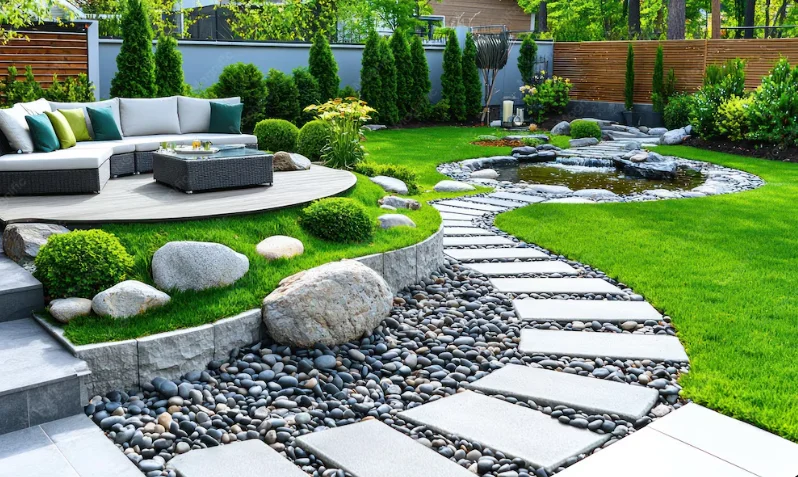
Landscape Design
Overview
Job Growth
N/A
Duration
N/A
Avg. Salary
N/A
Career Paths
N/A
Program Description
Landscape Design trains you to plan, design, construct, and manage outdoor spaces such as parks, gardens, streetscapes, and school grounds. You will study site analysis, planting design, technical drawing, computer-aided design, soil and drainage basics, and sustainable design. The program mixes studio work, field visits, and practical projects so you build a portfolio. Career paths include landscape designer, urban planner assistant, construction site supervisor, environmental consultant, and roles in architecture or municipal planning. This program gives you hands-on skills and opens paths to diploma or degree studies, internships, and self-employment in Ghana's growing urban and green infrastructure sectors.
Aims & Objectives
Develop accurate site analysis reports and hand-drawn concept sketches for small landscape sites.
Master basic CAD and 3D modelling workflows to produce at least three presentation-quality landscape plans.
Understand and apply sustainable design principles, including rainwater management and native planting strategies, to project proposals.
Create simple project plans with cost estimates and timelines for implementing a small landscape scheme.
Why Choose This Program?
Practical and creative work
You combine design, hands-on planting, and site construction, so you learn both creative and technical skills valued by employers.
High local demand
Rapid urban growth and public investment in parks and roads in Ghana increase demand for designers who can create sustainable outdoor spaces.
Clear career pathways
This program leads to roles in landscape contracting, municipal planning, environmental consultancies, and further study in architecture or urban planning.
Work placements and field experience
Students often access internships with local contractors, municipal agencies, and nurseries, giving real project experience.
Skills & Tools
Skills You'll Develop
Use AutoCAD or similar software to create accurate site plans, layout drawings, and technical details for construction.
Use SketchUp or similar tools to build 3D models and visualise planting and hardscape proposals for client presentations.
Carry out site measurements, topographic checks, basic soil and drainage assessment, and prepare site analysis reports.
Apply strategies such as native plant selection, rainwater harvesting, permeable paving, and erosion control to reduce environmental impact.
Tools & Resources
AutoCAD or similar 2D CAD software
SketchUp or other 3D modelling tools
QGIS or GIS tools for site analysis
Adobe Photoshop or Illustrator for presentations
Challenges & Tips
Challenges
Mastering technical drawing and CAD at the same time
Balancing theory with hands-on fieldwork
Tips & Advice
Practice regularly, follow step-by-step tutorials, and ask tutors for targeted exercises to build speed and accuracy.
Create a weekly schedule that blocks study time and field visits, and link theory directly to your practical projects.
Video Guide
Frequently Asked Questions
Ready to Apply?
Find programs that match your grades and interests - even if you haven't written WASSCE yet
Loading.. Please wait.

Talk to a Professional
Join a mentorship session with real professionals working in your field of interest.
 Real industry professionals
 Small groups (10-15 students)
 Starting at GH₵ 15 per session