Geological Science
Overview
Job Growth
N/A
Duration
N/A
Avg. Salary
N/A
Career Paths
N/A
Program Description
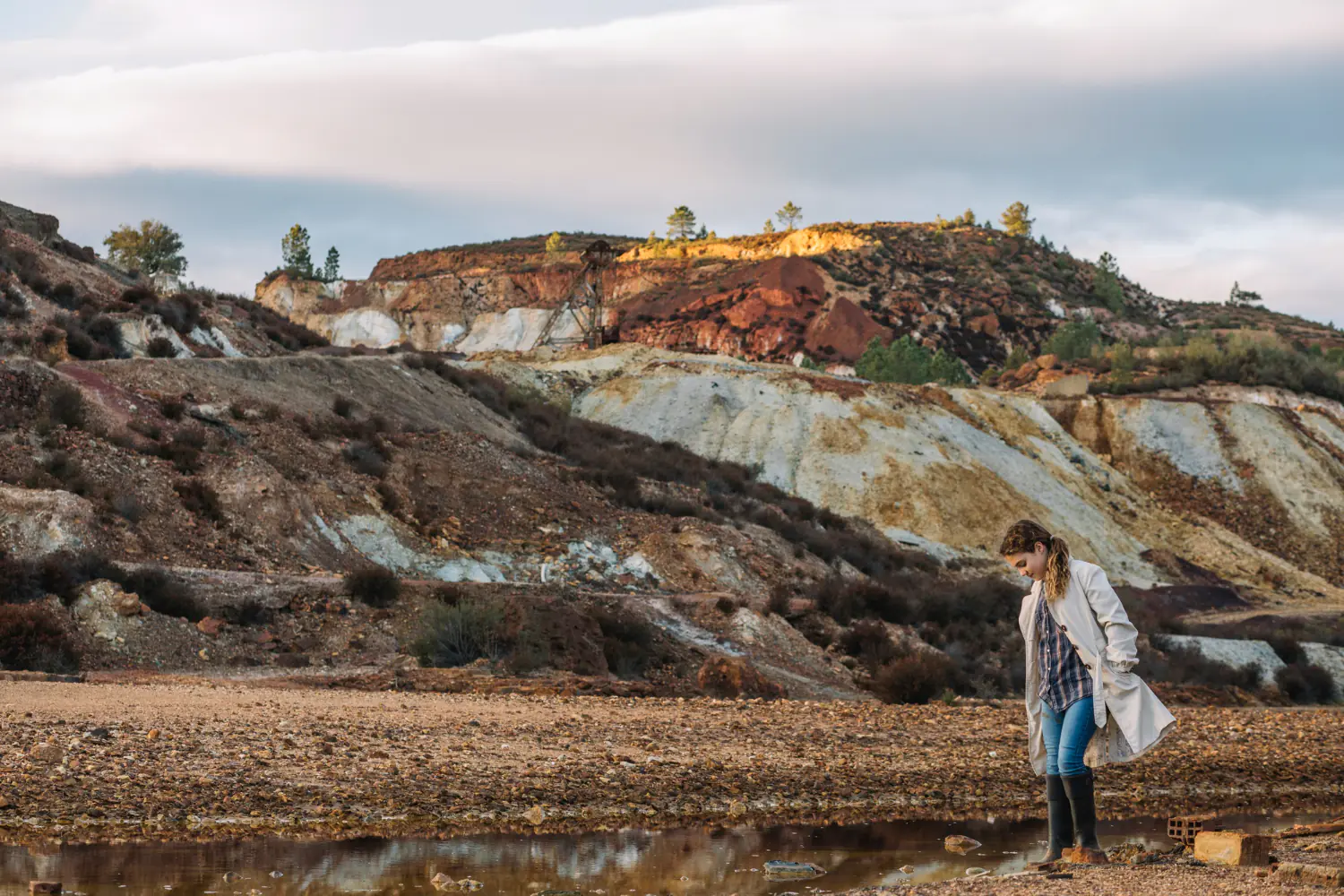
Geological Science studies the Earth, its rocks, minerals, soils, and processes such as earthquakes, erosion, and groundwater flow. Students learn to observe and test natural materials, conduct field mapping, run laboratory analyses, and use data to explain how landscapes form and change. Main subjects include mineralogy, petrology, geophysics, geochemistry, field mapping, and geology-related mathematics. Graduates can work as research scientists, laboratory technicians, environmental scientists, science teachers, or quality control analysts in mining, water resources, environmental consultancy, and government agencies. The program is hands-on and investigative, and it builds practical skills useful in Ghana and beyond. You will explore real rocks in the field and learn tools that employers value, opening pathways to rewarding careers that help manage natural resources and protect communities.
Aims & Objectives
Develop reliable field mapping and sampling skills, able to produce clear geological sketches and sample logs for a local outcrop.
Master laboratory techniques for mineral and rock identification, including thin section preparation and microscopy.
Understand basic geochemical and geophysical data analysis, using statistical methods to interpret field and lab results.
Create clear scientific reports and maps that communicate findings to peers, teachers, and potential employers.
Why Choose This Program?
Hands-on field and lab experience
You will spend time on outcrops and in labs, building practical skills that employers in mining, water, and environmental sectors require.
Strong job prospects in Ghana
Ghana has active mining and environmental monitoring needs, creating demand for graduates in exploration, environmental assessment, and groundwater work.
Transferable analytical skills
Training in data analysis, mapping, and scientific reporting prepares you for careers in research, quality control, and teaching.
Internship and industry links
Opportunities exist for field training and internships with universities, mining companies, and environmental agencies, helping you gain real-world experience.
Skills & Tools
Skills You'll Develop
Use compass, GPS, sketching and sampling protocols to record rock types, structures, and geographic locations for analysis.
Prepare and examine thin sections to identify minerals, textures, and rock history using transmitted light microscopy.
Conduct basic sample preparation, chemical tests, and instrument-assisted analyses with attention to laboratory safety and calibration.
Use GIS and statistical tools to map data, analyze spatial patterns, and present results using charts and maps.
Tools & Resources
QGIS (geographic information system)
R or Python for data analysis
Microsoft Excel or equivalent for data handling
StereoNet or structural geology plotting tools
Challenges & Tips
Challenges
Weak background in mathematics, physics, or chemistry
Learning field methods and mapping is initially unfamiliar
Tips & Advice
Strengthen core topics with tutorials, extra lessons, and online resources, focusing on applied examples in geology.
Practice with local field trips, join geology clubs, and start with small outcrops to build confidence.
Video Guide
Frequently Asked Questions
Ready to Apply?
Find programs that match your grades and interests - even if you haven't written WASSCE yet
Loading.. Please wait.

Talk to a Professional
Join a mentorship session with real professionals working in your field of interest.
 Real industry professionals
 Small groups (10-15 students)
 Starting at GH₵ 15 per session