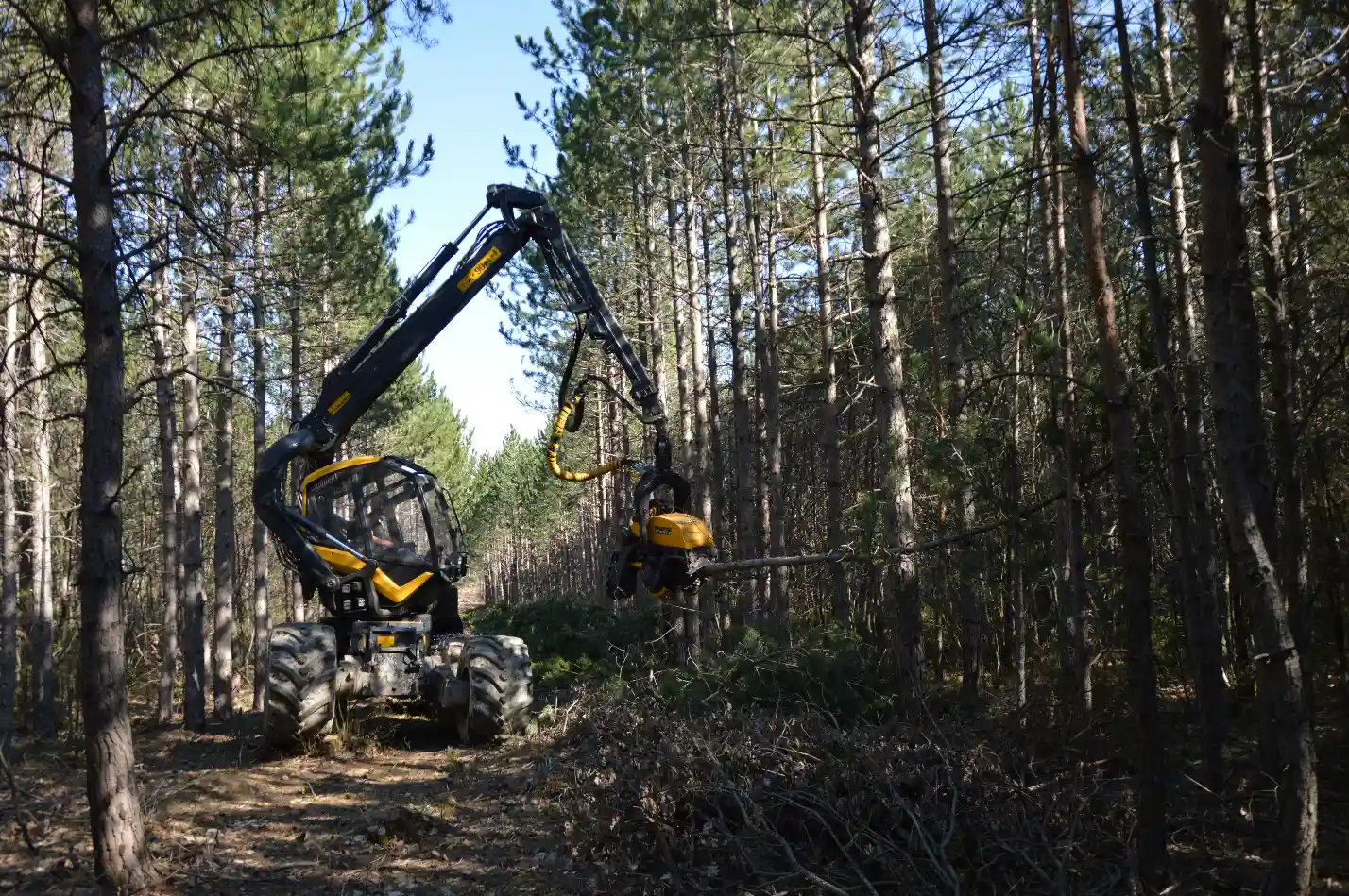
Forest Resources Technology
Overview
Job Growth
N/A
Duration
N/A
Avg. Salary
N/A
Career Paths
N/A
Program Description
Forest Resources Technology trains students to manage and conserve forests, trees and related natural resources for sustainable use. You will study ecology, soil science, agroforestry, silviculture, forest mensuration, and environmental conservation, with practical fieldwork and laboratory sessions. The program prepares you for roles as conservation officers, environmental scientists, agronomists, farm managers, or soil scientists in government forestry services, NGOs, timber and agroforestry businesses. It builds hands on skills to protect ecosystems, support sustainable livelihoods, and contribute to climate resilience.
Aims & Objectives
Develop practical skills in forest measurement, planting, nursery management and field data collection.
Master basic soil and crop management techniques relevant to agroforestry and forest productivity.
Understand principles of ecology, biodiversity conservation and environmental impact assessment.
Create sustainable management plans for natural resources, including restoration and reforestation strategies.
Apply data analysis and mapping tools to monitor forest health and support decision making.
Why Choose This Program?
Strong job prospects
Demand for conservation officers, agronomists and environmental technicians is growing in Ghana and across West Africa.
Hands on training
Fieldwork, nurseries and lab sessions provide practical experience you can use immediately.
Real world impact
Work contributes to climate resilience, food security and improved community livelihoods.
Industry connections
Opportunities for internships and collaboration with forestry services, NGOs and agribusinesses.
Pathway to further study
Good foundation for higher education in forestry, environmental science, soil science and resource management.
Skills & Tools
Skills You'll Develop
Use soil testing kits, pH meters and nutrient analysis to recommend fertilizer and crop rotation plans.
Use QGIS and handheld GPS units to map forest plots, track changes and plan interventions.
Apply standard EIA methodologies to evaluate effects of land use projects and propose mitigation measures.
Design mixed cropping and tree planting systems, select species and apply silvicultural practices for productivity.
Use spreadsheets, basic R or Excel analytics to interpret field data for reporting and decision making.
Tools & Resources
QGIS
Google Earth Engine
Microsoft Excel
R (basic packages)
remote sensing viewers
Challenges & Tips
Challenges
Difficulty understanding technical science subjects like ecology and soil chemistry
Balancing theory with hands on practice
Tips & Advice
Attend extra tutorials, use practical examples, and seek help from teachers during field sessions.
Schedule regular field time and apply classroom concepts to real plots or school farms.
Video Guide
Frequently Asked Questions
Ready to Apply?
Find programs that match your grades and interests - even if you haven't written WASSCE yet
Loading.. Please wait.

Talk to a Professional
Join a mentorship session with real professionals working in your field of interest.
 Real industry professionals
 Small groups (10-15 students)
 Starting at GH₵ 15 per session