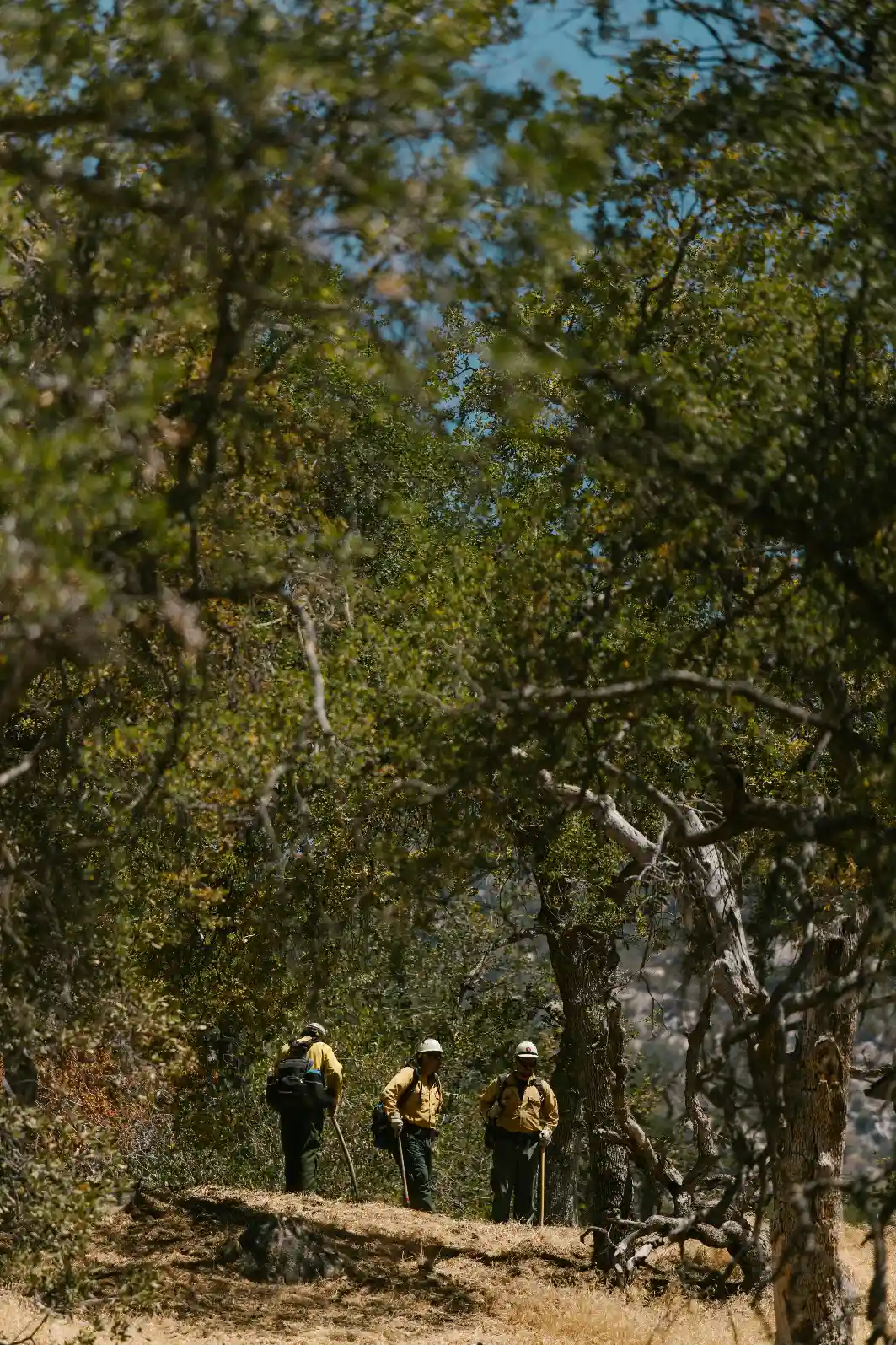
Forest Resources Conservation and Management
Overview
Job Growth
N/A
Duration
N/A
Avg. Salary
N/A
Career Paths
N/A
Program Description
Forest Resources Conservation and Management teaches how to protect, use, and restore forests and natural landscapes in ways that support people and the environment. You will study forestry principles, soil science, ecology, agroforestry, natural resource management, and environmental conservation methods. Practical lessons include tree planting, nursery management, field surveys, soil testing, and basic mapping. Graduates can work as agronomists, environmental scientists, farm managers, soil scientists, conservation officers, or continue to further study in forestry and environmental science. This program builds hands-on skills, scientific knowledge, and problem solving so you can help communities manage land sustainably, combat deforestation, and support climate resilience. If you care about nature and want a practical career protecting Ghana's natural resources, this program is a strong start.
Aims & Objectives
Develop practical skills in tree nursery production and planting, demonstrated by healthy seedling establishment.
Master soil and crop management techniques through hands-on field trials and soil tests.
Understand ecological principles and conservation methods to assess and protect forest ecosystems.
Create and interpret basic maps and surveys using GPS and mapping tools for resource planning.
Apply data collection and analysis to monitor forest health and produce clear technical reports.
Why Choose This Program?
Hands-on learning
Much of the training is practical on school farms and field sites, so you gain real skills from day one.
Strong job prospects
Graduates are needed by government, NGOs, private farms, and conservation projects across Ghana and beyond.
Work that matters
You will help fight deforestation, improve soil health, and support climate resilience for communities.
Industry links and internships
Program connections with district agricultural offices, forestry services, and NGOs provide internship opportunities.
Pathway to further study
Completing this program opens doors to diploma and degree programs in forestry, environmental science, and natural resource management.
Skills & Tools
Skills You'll Develop
Use soil testing kits, pH meters, and nutrient analysis to plan fertilization and cropping systems for healthy soils.
Conduct basic assessments to identify threats to habitats, recommend mitigation, and write concise environmental reports.
Design mixed cropping and agroforestry systems that increase yields, conserve soil, and support biodiversity.
Collect field data, use spreadsheets and simple statistics to monitor growth, pest incidence, and forest health trends.
Operate GPS units, use mapping software like QGIS or Google Earth, and apply mobile farm-management apps for planning.
Tools & Resources
QGIS or Google Earth
Microsoft Excel or Google Sheets
Basic statistical software like R or SPSS (introductory)
Farm management apps (mobile)
Remote sensing tools or online imagery portals
Challenges & Tips
Challenges
Strong science and math concepts to learn
Balancing theory with fieldwork
Tips & Advice
Revise biology, chemistry, and basic maths; join study groups and ask teachers for practical demonstrations.
Use field exercises to reinforce classroom topics and keep a practical logbook of observations.
Video Guide
Frequently Asked Questions
Ready to Apply?
Find programs that match your grades and interests - even if you haven't written WASSCE yet
Loading.. Please wait.

Talk to a Professional
Join a mentorship session with real professionals working in your field of interest.
 Real industry professionals
 Small groups (10-15 students)
 Starting at GH₵ 15 per session