Food Processing Technology
Overview
Job Growth
N/A
Duration
N/A
Avg. Salary
N/A
Career Paths
N/A
Program Description
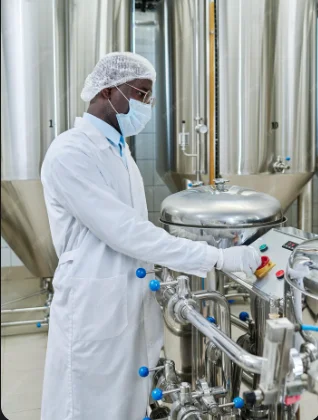
Food Processing Technology teaches how to turn farm produce into safe, nutritious, and marketable food products. Students study principles of food preservation, quality control, hygiene and safety, basic food chemistry, and small-scale processing methods like drying, fermentation, and canning. Practical classes cover use of measuring equipment, simple lab tests, and value addition for crops and animal products. Graduates can work as food technologists, quality control assistants, production supervisors, agro-processors, or start small food businesses. This program prepares you for further study in agriculture, food science, or entrepreneurship while helping Ghana add value to its natural resources. If you like hands-on work and want to help improve food safety and incomes, this program is for you.
Aims & Objectives
Develop practical skills in at least three food preservation methods, and record outcomes in lab reports.
Master basic quality control tests, including moisture, pH, and microbial hygiene checks, and interpret results.
Understand food safety and hygiene standards, and implement Good Manufacturing Practices in practical tasks.
Create and test value-added products from local crops, demonstrating shelf-life improvement and packaging methods.
Why Choose This Program?
Strong job and entrepreneurial prospects
Processed foods are in growing demand in Ghana, offering roles in factories, quality control, and opportunities to start small businesses adding value to local crops.
Hands-on, practical learning
You will spend time in labs and processing units, learning real techniques like drying, fermentation, and safe packaging that employers and customers value.
Supports food security and sustainability
Skills help reduce post-harvest losses, conserve resources, and develop climate-smart processing methods that benefit communities and the environment.
Industry links and internships
The program often connects students with local agro-processors, farms, and extension services for practical placements and real-world experience.
Skills & Tools
Skills You'll Develop
Practical methods such as solar drying, fermentation, canning, smoking, and cold storage to extend shelf life and improve safety.
Use of moisture meters, pH testing, simple microbial hygiene checks, and recording results to ensure product safety and consistency.
Operation and maintenance of small-scale grinders, mills, dryers, and packaging tools used in community and cottage industries.
Collecting processing data, using spreadsheets to track yields, costs, and shelf-life, and making decisions based on simple analyses.
Tools & Resources
Microsoft Excel or Google Sheets
Basic laboratory data logging apps
Simple recipe and formulation tools
Challenges & Tips
Challenges
Strong science and math foundations required
Heavy practical workload
Tips & Advice
Strengthen basics in chemistry and arithmetic. Use extra tutorials and practice problems to build confidence before practicals.
Manage time with a weekly schedule, prepare materials ahead, and form study groups to share tasks and notes.
Video Guide
Frequently Asked Questions
Ready to Apply?
Find programs that match your grades and interests - even if you haven't written WASSCE yet
Loading.. Please wait.

Talk to a Professional
Join a mentorship session with real professionals working in your field of interest.
 Real industry professionals
 Small groups (10-15 students)
 Starting at GH₵ 15 per session