Food Process Engineering
Overview
Job Growth
N/A
Duration
N/A
Avg. Salary
N/A
Career Paths
N/A
Program Description
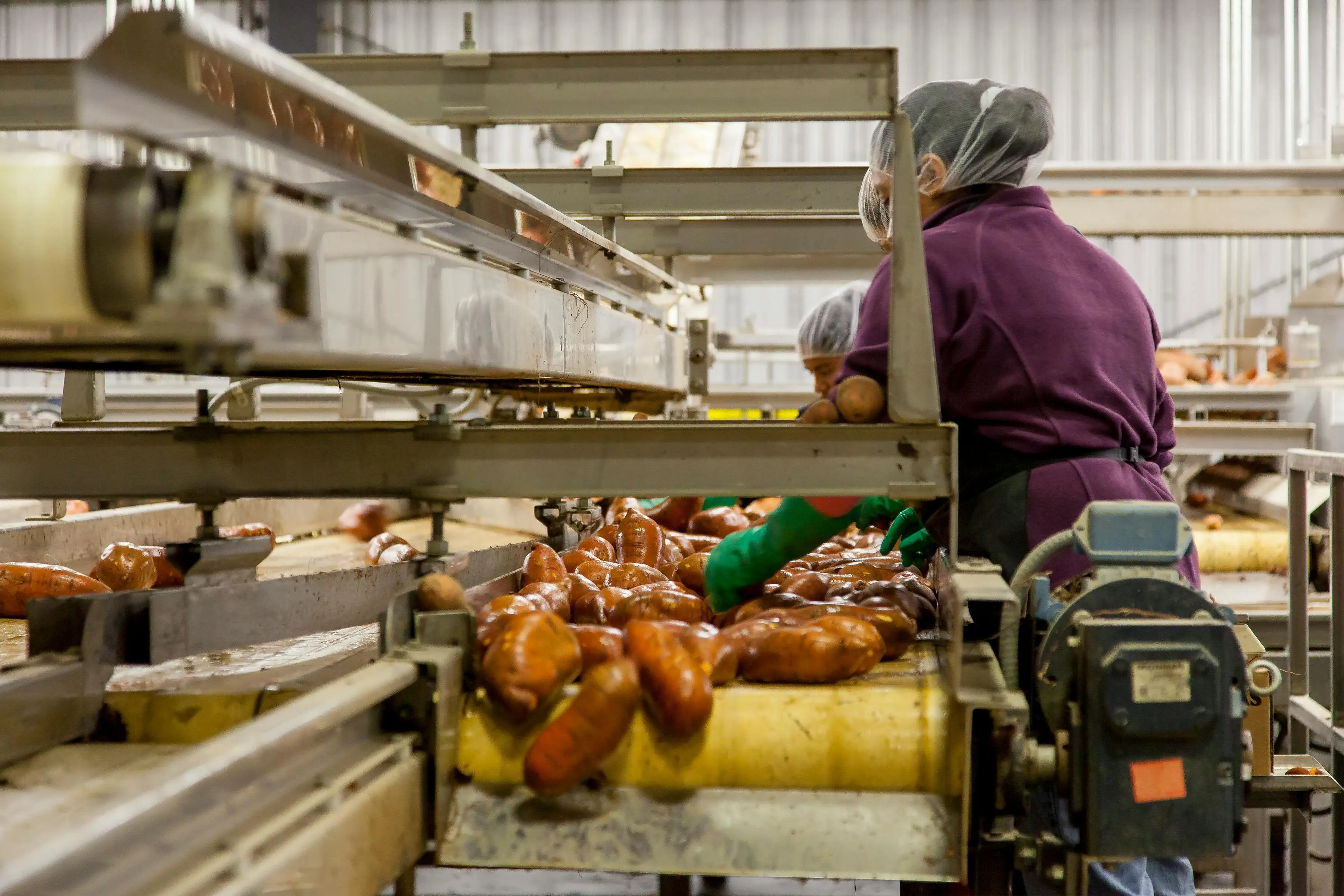
Food Process Engineering teaches how to design, build, and maintain machines and systems used to turn raw crops into safe, valuable foods. Students study core subjects such as mathematics, physics, chemistry, engineering drawing, basics of food science, process control, and technical documentation. The program trains you to solve practical problems in food production, improve product quality, and ensure safety. Career paths include roles in food factories, process design, maintenance engineering, quality control, and technical support. Graduates can work as process engineers, maintenance engineers, quality assurance technicians, or start agro-processing businesses. This course is practical, hands-on, and prepares you for Ghana's growing food and agro-processing industry.
Aims & Objectives
Develop the ability to design basic food processing equipment using CAD and engineering drawings, demonstrated by completed design projects.
Master fundamentals of process control and automation, shown by programming simple control sequences for mixers or heaters.
Understand and apply food safety and quality principles, including HACCP basics, verified by lab assessments and safety plans.
Create mathematical models for mass and energy balances in simple processes, evidenced by solved modeling assignments.
Why Choose This Program?
Strong job relevance
Ghana has growing demand for engineers who can add value to agricultural produce, so skills transfer directly to factories, farms, and SMEs.
Hands-on learning
Practical labs and pilot plant work build real skills in equipment operation, testing, and maintenance, not just theory.
Interdisciplinary career paths
Combines engineering, food safety, and business, opening roles in process design, quality control, maintenance, and entrepreneurship.
Industry connections and internships
Programs often link with local agro-processors and research centers for internships, projects, and practical industry exposure.
Skills & Tools
Skills You'll Develop
Use SolidWorks or AutoCAD to create and modify drawings for processing equipment and conveyor systems.
Program and configure basic PLCs and sensors to control temperature, flow, and mixing for safe, consistent production.
Apply mass and energy balances, heat and mass transfer calculations, and simple simulations to size equipment and predict performance.
Implement HACCP principles, perform basic lab tests for moisture, pH, and contamination, and document quality procedures.
Tools & Resources
SolidWorks or AutoCAD
MATLAB or Python for data analysis
PLC programming software (eg, Siemens TIA Portal)
Challenges & Tips
Challenges
Difficulty with higher level mathematics and physics
Tips & Advice
Use extra tutorials, study groups, and practical examples to connect theory to real equipment problems.
Video Guide
Frequently Asked Questions
Ready to Apply?
Find programs that match your grades and interests - even if you haven't written WASSCE yet
Loading.. Please wait.

Talk to a Professional
Join a mentorship session with real professionals working in your field of interest.
 Real industry professionals
 Small groups (10-15 students)
 Starting at GH₵ 15 per session