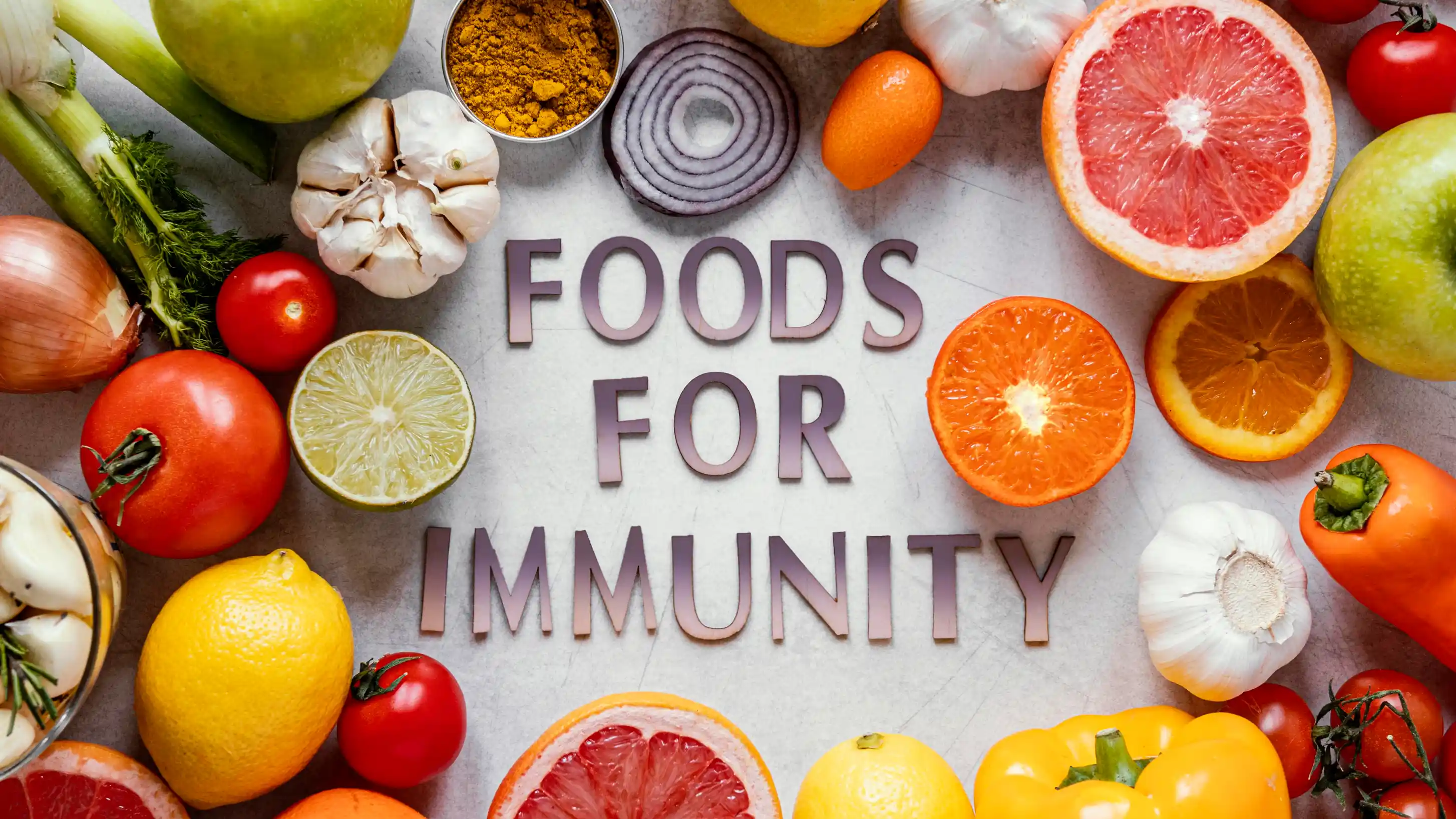
Food and Nutrition
Overview
Job Growth
N/A
Duration
N/A
Avg. Salary
N/A
Career Paths
N/A
Program Description
Food and Nutrition in Education trains students to teach healthy eating, meal planning, food safety, and child nutrition using effective teaching methods. You will study nutrition science, food preparation, curriculum design, classroom management, assessment, and educational technology. Practical lessons include kitchen laboratories, demonstrations, and community nutrition projects. Graduates can become teachers, educational administrators, curriculum developers, special education specialists, or educational consultants in schools, NGOs, and government programs. This program develops practical teaching skills, confidence in delivering nutrition education, and opportunities to improve community health. If you care about teaching and helping people eat better, this program is a great start.
Aims & Objectives
Develop lesson plans that integrate nutrition concepts and Ghanaian food examples for classroom delivery.
Master safe food preparation and laboratory procedures for demonstrations and student activities.
Understand child growth, dietary needs, and community nutrition to inform teaching and outreach.
Create and use assessment tools to measure student learning and practical skills in Food and Nutrition.
Apply educational technology and instructional design to deliver engaging, inclusive nutrition lessons.
Why Choose This Program?
Strong job demand
Qualified Food and Nutrition educators are needed in schools, community programs, and government nutrition initiatives across Ghana.
Hands-on learning
Practical kitchen labs, demonstrations, and community projects build real teaching and food preparation experience.
Versatile careers
Leads to roles in teaching, curriculum development, administration, special education, and consultancy in health and education sectors.
Community impact
You can design local nutrition programs, school feeding projects, and health education that directly improve lives.
Internships and networks
Opportunities to work with schools, clinics, NGOs, and Ghana Education Service placements for practical exposure.
Skills & Tools
Skills You'll Develop
Design structured lesson plans, schemes of work, and curriculum materials aligned with Ghana Education Service guidelines.
Use inclusive strategies, practical class routines, and safety protocols for managing food labs and student groups.
Create formative and summative assessments, rubrics, and practical exams to measure knowledge and skills.
Apply LMS, presentation tools, and digital resources to prepare lessons, share materials, and support remote learning.
Perform safe food handling, basic hygiene procedures, recipe scaling, and simple nutritional analysis using food composition data.
Tools & Resources
Microsoft Office or Google Workspace
Moodle or other LMS
Presentation software like PowerPoint
Basic nutrition analysis tools or apps
Video recording and editing apps
Challenges & Tips
Challenges
Heavy syllabus balancing theory and practical work
Understanding scientific nutrition concepts
Tips & Advice
Create a weekly timetable, join study groups, and prioritise practical sessions to reinforce theory.
Use visual aids, simple local food examples, and ask teachers for extra explanations or demonstrations.
Video Guide
Frequently Asked Questions
Ready to Apply?
Find programs that match your grades and interests - even if you haven't written WASSCE yet
Loading.. Please wait.

Talk to a Professional
Join a mentorship session with real professionals working in your field of interest.
 Real industry professionals
 Small groups (10-15 students)
 Starting at GH₵ 15 per session