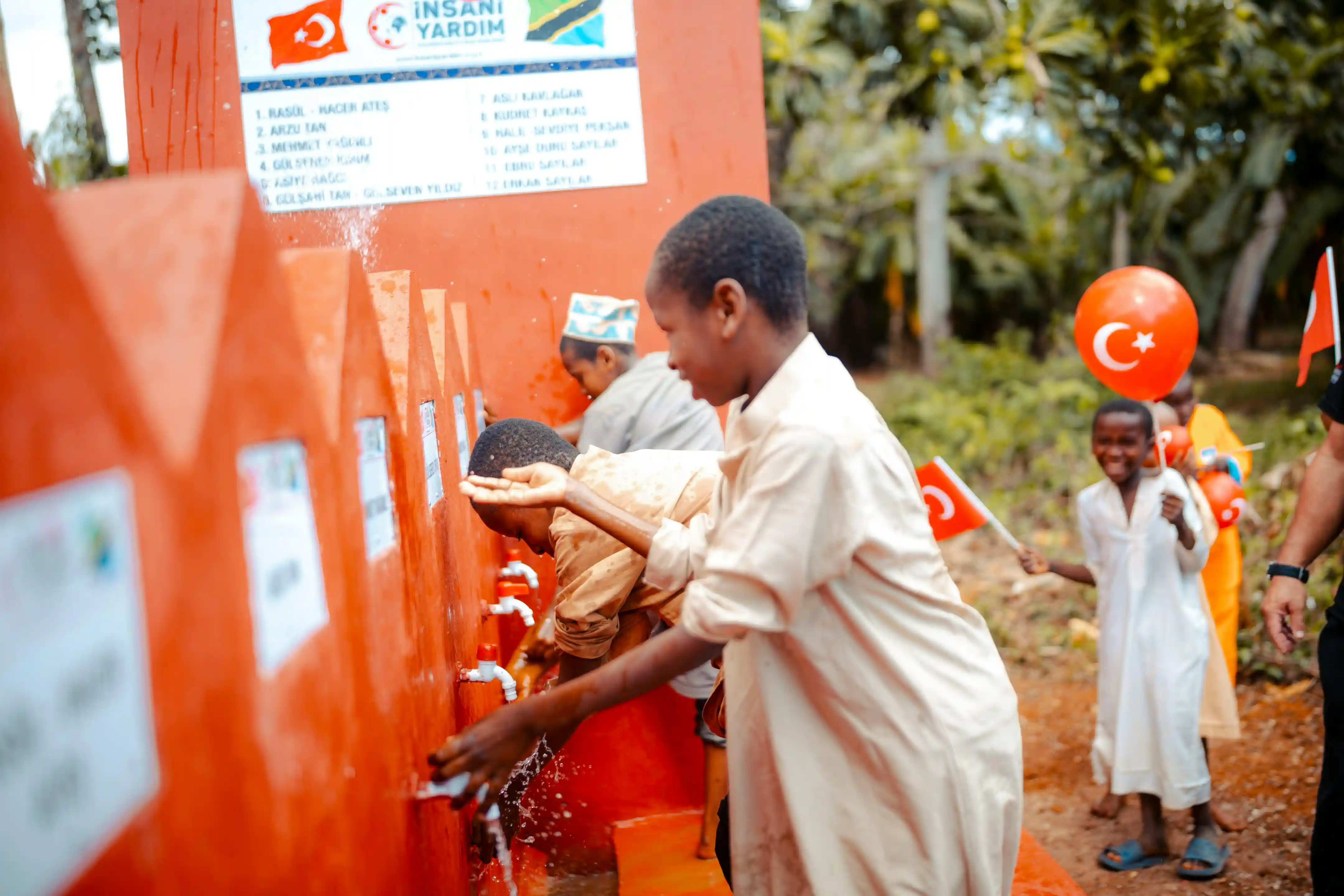
Environmental Health and Sanitation Education
Overview
Job Growth
N/A
Duration
N/A
Avg. Salary
N/A
Career Paths
N/A
Program Description
Environmental Health and Sanitation Education teaches students how to protect community health by combining education, hygiene promotion, and environmental science. You will study public health basics, sanitation and waste management, water safety, hygiene education, teaching methods, and school WASH programs. The program trains you to design lessons, run community outreach, evaluate health risks, and use simple testing tools. Graduates can become teachers, educational administrators, curriculum developers, special education specialists who include hygiene topics, or educational consultants for NGOs and municipal health services. This course is practical, community-focused, and a strong pathway into public service and education careers that directly improve lives.
Aims & Objectives
Develop at least three lesson plans and teaching materials on sanitation and hygiene for school and community settings.
Master classroom and community teaching techniques and demonstrate competence in two assessed practice teaching sessions.
Understand core principles of water, sanitation, waste management, and identify local health risks using basic assessment tools.
Create and conduct simple environmental health assessments and hygiene promotion campaigns, documenting methods and outcomes.
Evaluate student learning and program impact using basic assessment tools and prepare clear reports on results.
Why Choose This Program?
Hands-on community impact
You learn practical skills to improve school and community health, making measurable changes in people life.
Strong job pathways
Leads to teaching, administration, curriculum design, special education roles, and consultancy with NGOs and local government.
High local demand
Ghanaian schools, municipal health services, and NGOs need trained educators for WASH and hygiene programs.
Practical internships
Offers opportunities for internships with district health units, NGOs, and municipal sanitation teams for real-world experience.
Transferable skills
Combines teaching, assessment, and community engagement skills useful across education and public health sectors.
Skills & Tools
Skills You'll Develop
Design age-appropriate units, create learning objectives, and prepare teaching materials aligned to Ghanaian curricula.
Use quizzes, observation checklists, and simple pre-post surveys to measure learning and behavior change.
Apply tools like Microsoft Office, Google Classroom, and mobile data collection apps to deliver lessons and track outcomes.
Perform basic water quality tests, sanitation inspections, and community risk mapping using simple kits and forms.
Implement interactive teaching methods, group activities, and behavior change communication to engage diverse learners.
Tools & Resources
Microsoft Office (Word, Excel, PowerPoint)
Google Classroom and Google Forms
Kahoot or Quizizz for assessments
Basic GIS or mapping apps for community mapping
Challenges & Tips
Challenges
Difficulty linking theory to practice
Limited access to lab equipment
Tips & Advice
Join school clubs and community projects to apply classroom learning in real settings.
Use low-cost field kits and partner with local clinics or NGOs for practical sessions.
Video Guide
Frequently Asked Questions
Ready to Apply?
Find programs that match your grades and interests - even if you haven't written WASSCE yet
Loading.. Please wait.

Talk to a Professional
Join a mentorship session with real professionals working in your field of interest.
 Real industry professionals
 Small groups (10-15 students)
 Starting at GH₵ 15 per session