Electrical/Electronic Engineering
Overview
Job Growth
N/A
Duration
N/A
Avg. Salary
N/A
Career Paths
N/A
Program Description
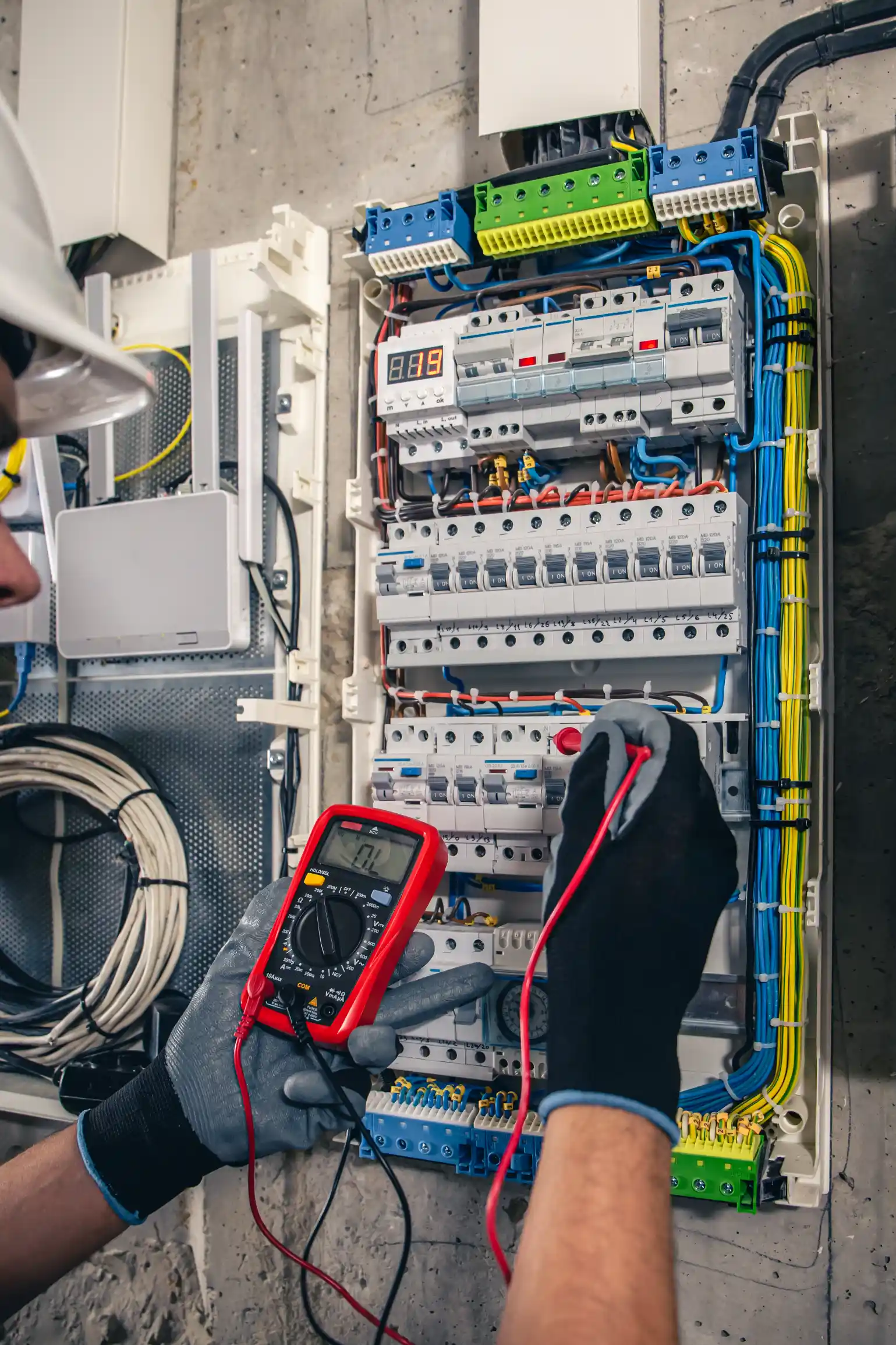
Electrical/Electronic Engineering teaches you how to design, build, and maintain electrical systems and electronic devices that power homes, industry, and everyday gadgets. You will study circuit theory, digital electronics, power systems, control systems, mathematics, programming, and hands on laboratory practice. The program mixes theory and projects so you learn to design circuits, write embedded software, and test real systems. Career paths include electrical engineer, electronics technician, automation specialist, IT support, and routes into software or mechanical engineering. Graduates find work in power utilities, telecommunications, manufacturing, renewable energy, and technology companies across Ghana and beyond. If you enjoy problem solving and building practical solutions, this program opens many opportunities.
Aims & Objectives
Develop practical skills in circuit design, assembly, testing, and troubleshooting using laboratory equipment.
Master core principles of electronics, electromagnetism, and power systems to design safe, functional systems.
Understand programming for embedded systems, control logic, and basic automation using C and Python.
Create working prototypes and clear technical documentation for projects and assessments.
Apply project management methods to plan, execute, and evaluate engineering projects on schedule.
Why Choose This Program?
Strong job demand
Electricity, telecommunications, and manufacturing in Ghana need engineers, creating steady employment and internship opportunities.
Hands on learning
Laboratory work and projects teach real skills like soldering, PCB design, and embedded programming that employers value.
Broad career paths
Study leads to roles in power systems, automation, electronics, IT support, or further study in engineering fields.
Industry connections
Programs often link with utilities, factories, and tech firms for visits, projects, and internships in Ghana.
Foundation for innovation
Skills in design, programming, and systems thinking prepare you for work in renewable energy, smart systems, and startups.
Skills & Tools
Skills You'll Develop
Use tools like KiCad or Eagle to design schematics and printed circuit boards for prototypes and products.
Write firmware in C or Python for microcontrollers such as Arduino and Raspberry Pi to control hardware and sensors.
Apply algebra, calculus, and tools like MATLAB or Simulink to model circuits, control systems, and power networks.
Operate oscilloscopes, multimeters, and signal generators to validate circuits and diagnose faults.
Produce schematics, assembly drawings, and clear reports using CAD and document tools for handover and maintenance.
Tools & Resources
KiCad or Eagle (PCB design)
MATLAB and Simulink
Arduino IDE and Python
SPICE circuit simulators
Microsoft Office or equivalent for documentation
Challenges & Tips
Challenges
Strong maths and physics demands
Balancing theory and practical work
Tips & Advice
Attend tutorials, use online lessons, and practise problem sets weekly to build confidence and speed.
Schedule lab sessions after theory study and link concepts to hands on experiments to reinforce learning.
Video Guide
Frequently Asked Questions
Ready to Apply?
Find programs that match your grades and interests - even if you haven't written WASSCE yet
Loading.. Please wait.

Talk to a Professional
Join a mentorship session with real professionals working in your field of interest.
 Real industry professionals
 Small groups (10-15 students)
 Starting at GH₵ 15 per session