Electrical and Electronics Engineering
Overview
Projected Job Growth
N/A
Duration of Study
N/A
Annual Average Salary
N/A
Career Opportunities
N/A
Program Description
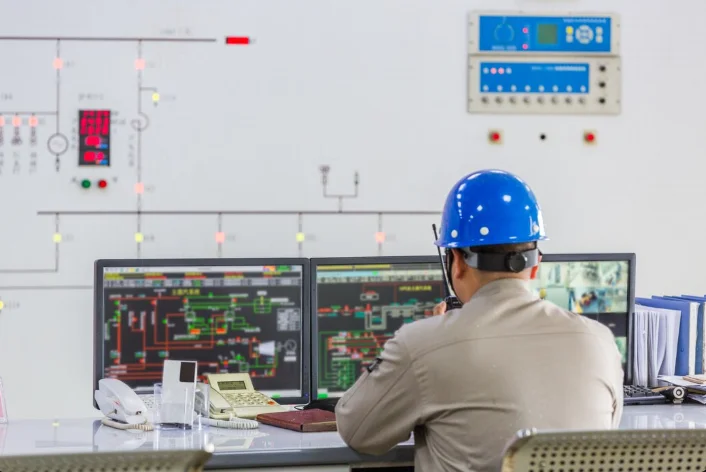
Electrical and Electronics Engineering teaches you how to design, build, test, and maintain electrical systems and electronic devices that power homes, industries, communications, and automation. You will study core subjects such as circuit theory, digital electronics, electromagnetics, power systems, microcontrollers, programming, and instrumentation. The program combines classroom theory with hands on lab work and project design. Graduates can work as electrical or electronics engineers, automation or control engineers, telecommunications technicians, maintenance engineers, or pursue software and IT roles in embedded systems. This pathway opens opportunities in Ghana's power sector, telecoms, manufacturing, and renewable energy, and provides a strong foundation for higher study and innovation. Aim high, practise regularly, and build projects to stand out.
Aims and Objectives
Develop practical circuit design and testing skills by completing laboratory projects and functional prototypes.
Master microcontroller programming to build embedded control systems, demonstrated by working projects using Arduino or similar boards.
Understand power systems and electrical machines, measured by the ability to analyse and solve supply and load problems.
Create clear technical documentation and project reports that meet industry standards, verified by assessed assignments and presentations.
Why Choose This Program?
Strong job demand
Ghana needs engineers in power, telecoms, manufacturing, and renewable energy, giving graduates many employment pathways.
Hands on learning
Lab sessions, workshops, and capstone projects build practical skills employers value, not just theory.
Cross disciplinary opportunities
Skills apply to electronics, automation, embedded software, and IT support, making career moves easier.
Internships and industry links
Programs often connect students with local utilities, manufacturers, and telecom companies for attachments and real projects.
Skills Students Will Acquire
Use tools and techniques to design, simulate, and test analog and digital circuits, ensuring correct operation and safety.
Program Arduino, Raspberry Pi, or similar boards for control, data acquisition, and embedded applications using C, Python, or Arduino IDE.
Analyse power distribution, transformers, and machines, and apply protection and maintenance practices for reliable supply.
Use software such as LTSpice, MATLAB Simulink, and AutoCAD Electrical to model circuits, systems, and produce technical drawings.
Tools and Resources Students Will Use
LTSpice or Proteus
MATLAB and Simulink
AutoCAD Electrical
Arduino IDE
Challenges Students Face and Helpful Tips
Challenges
Difficulty with advanced mathematics and circuit theory
Balancing theory and practical work
Tips & Advice
Practice problems regularly, join study groups, and use online tutorials to strengthen fundamentals.
Schedule regular lab time, start projects early, and link theory topics to practical experiments.
Video Guide
Frequently Asked Questions
All your queries answered.