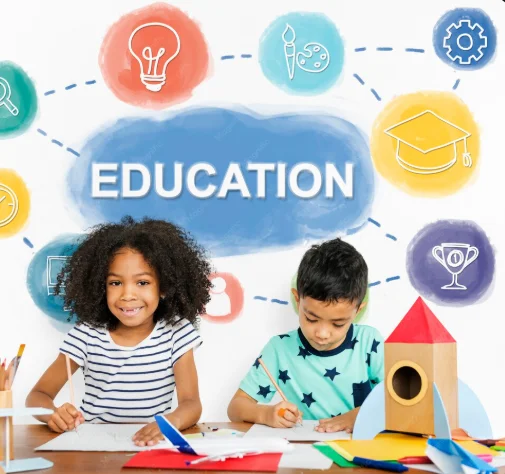
Early Grade Education
Overview
Job Growth
N/A
Duration
N/A
Avg. Salary
N/A
Career Paths
N/A
Program Description
Early Grade Education trains you to teach and support children in kindergarten and lower primary. You will study child development, early literacy and numeracy, classroom management, assessment, curriculum design, and inclusive education. The program teaches practical lesson planning, teaching methods, use of educational technology, and basic special education strategies. Graduates can become primary school teachers, educational administrators, curriculum developers, special education specialists, or educational consultants in schools, NGOs, and government education services. This path builds skills to make learning effective and joyful for young learners.
Aims & Objectives
Develop age-appropriate lesson plans that improve literacy and numeracy for early grade learners.
Master classroom management techniques to create a safe and inclusive learning environment.
Understand principles of child development and apply them to daily teaching decisions.
Create and use formative assessments to measure student progress and adapt instruction.
Use basic educational technology to design interactive learning activities and resources.
Why Choose This Program?
Clear career pathways
Leads to roles as primary teachers, curriculum developers, special education specialists, administrators, and consultants.
High demand in Ghana
Ghana needs skilled early grade teachers and support staff in basic schools and government programs.
Practical classroom focus
Includes hands-on practice, lesson planning, and practicum placements in local schools.
Opportunities for specialization
Gives routes to special education, curriculum design, educational technology, and policy roles.
Industry links and internships
Connections with Ghana Education Service, NGOs, and teacher training colleges for internships and mentorships.
Skills & Tools
Skills You'll Develop
Design lessons aligned with the Ghanaian basic school curriculum, set objectives, sequence learning, and create resources.
Apply behavior management strategies, classroom routines, and inclusive practices to maintain productive learning.
Design formative and summative assessments, analyse results, use data to inform instruction and report progress.
Use tablets, presentation tools, learning apps and basic LMS functions to deliver interactive lessons and track learning.
Implement differentiated instruction, basic IEP adaptations and support strategies for learners with diverse needs.
Tools & Resources
Google Classroom or similar LMS
Kahoot or Quizizz for interactive quizzes
Microsoft Office or LibreOffice
Assessment apps (e.g., Socrative)
Simple lesson design tools (Canva, PowerPoint)
Challenges & Tips
Challenges
Understanding diverse learning needs in a class.
Keeping lessons engaging for young children.
Tips & Advice
Use simple assessments and group learners by ability to plan targeted activities.
Include games, songs and hands-on materials to make learning active and fun.
Video Guide
Frequently Asked Questions
Ready to Apply?
Find programs that match your grades and interests - even if you haven't written WASSCE yet
Loading.. Please wait.

Talk to a Professional
Join a mentorship session with real professionals working in your field of interest.
 Real industry professionals
 Small groups (10-15 students)
 Starting at GH₵ 15 per session