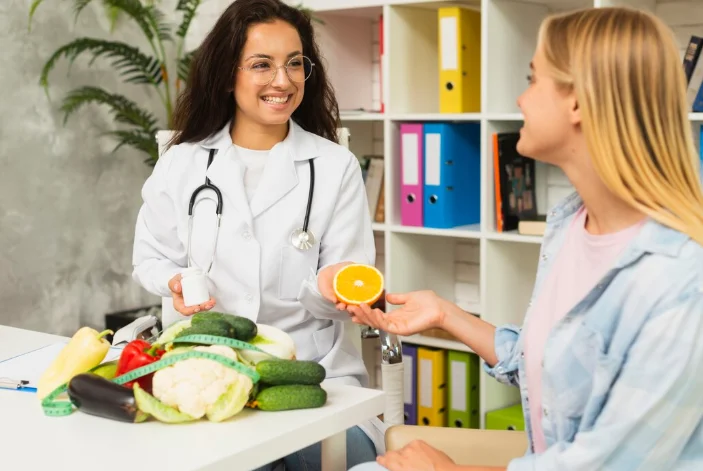
Dietetics
Overview
Projected Job Growth
N/A
Duration of Study
N/A
Annual Average Salary
N/A
Career Opportunities
N/A
Program Description
Dietetics is the study of how food and nutrition affect health and recovery. In this program you will learn human anatomy, physiology, biochemistry, food science, clinical nutrition, community nutrition, and diet planning. You will practice assessing patients, creating therapeutic meal plans, promoting healthy eating, and working with healthcare teams. Graduates can work as clinical dietitians in hospitals, community nutrition officers, food service managers, nutrition educators, or continue to become registered allied health professionals. The program connects classroom learning with hands-on practice in clinics, kitchens, and community outreach. If you enjoy science, helping others, and practical problem solving, Dietetics offers a rewarding career that improves individual and public health.
Aims and Objectives
Develop competence in nutritional assessment and individualized care planning for clients and patients
Master safe food handling, menu planning, and therapeutic diet preparation in clinical and institutional settings
Understand human anatomy, physiology, and biochemistry as they relate to metabolism and disease management
Create and interpret nutrition education materials and community outreach programs to promote healthy behaviors
Demonstrate professional documentation, record keeping, and ethical practice in clinical and public health settings
Why Choose This Program?
Clear career pathways
Leads to jobs in hospitals, public health, food services, schools, and research, with options for further accreditation.
High community impact
You will improve patient recovery and prevent disease by applying evidence based nutrition care in communities.
Strong practical training
Hands on practice in clinical settings, teaching kitchens, and community programs prepares you for real work from day one.
Good job market demand
Growing awareness of nutrition in Ghana increases demand for trained dietitians and nutrition officers across sectors.
Professional connections and internships
Programs often include supervised internships with hospitals, NGOs, and public health facilities for work experience.
Skills Students Will Acquire
Use anthropometry, dietary recall, biochemical data, and clinical signs to evaluate nutritional status and needs.
Design medical and culturally appropriate meal plans for diabetes, hypertension, malnutrition, and other conditions.
Apply HACCP principles, kitchen workflow, and portion control for safe institutional food preparation and management.
Use tools like Food Processor, NutriSurvey, or Excel to calculate nutrient intakes and analyse diets.
Prepare clear nutrition care notes, care plans, and reports compatible with electronic health records and referrals.
Tools and Resources Students Will Use
Nutrition analysis software (Food Processor, NutriSurvey)
Microsoft Excel
Electronic health record systems
Reference databases (WHO guidelines, PubMed)
Challenges Students Face and Helpful Tips
Challenges
Strong science content in biology, chemistry, and biochemistry
Balancing theory with practical skills
Tips & Advice
Build a study schedule, join peer study groups, and use visual resources to master core concepts.
Attend all practical sessions, practice hands on techniques, and seek feedback from instructors.
Video Guide
Frequently Asked Questions
All your queries answered.