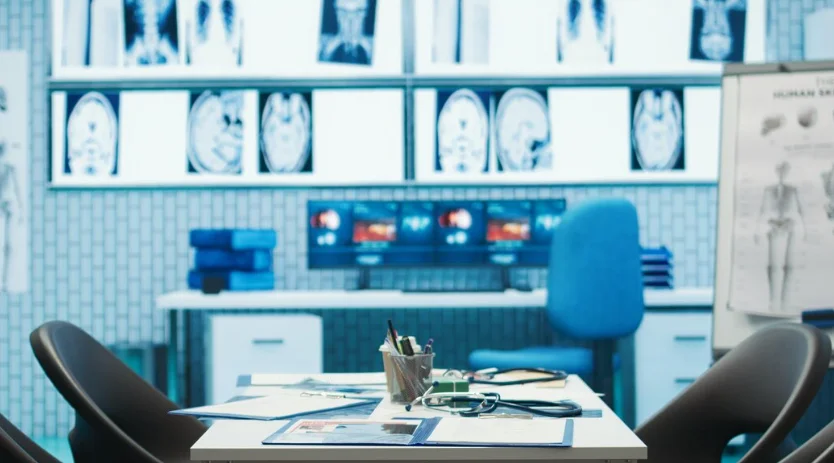
Diagnostic Medical Imaging
Overview
Job Growth
N/A
Duration
N/A
Avg. Salary
N/A
Career Paths
N/A
Program Description
Diagnostic Medical Imaging teaches you how to create and interpret medical images that help doctors diagnose illness and treat patients. You will study anatomy, physiology, radiographic techniques, ultrasound, computed tomography basics, radiation safety, image processing, and clinical practice. The program combines classroom learning with hands-on training in imaging labs and hospital placements. Graduates can work as radiographers, sonographers, CT or MRI technologists, imaging technicians, or continue to specialized healthcare roles and supervisory positions. This program builds strong clinical skills and opens doors to jobs in hospitals, private clinics, and diagnostic centres, while providing a foundation for further study in medical sciences. If you like science, technology, and patient care, this program is a practical and rewarding choice.
Aims & Objectives
Develop safe operation skills for common imaging equipment, following radiation safety protocols and infection control standards.
Master correct patient assessment and positioning to produce diagnostic-quality images in supervised clinical sessions.
Understand core anatomy and physiology relevant to imaging, and apply this knowledge to basic image interpretation.
Create and maintain accurate medical documentation and use image storage systems, demonstrating competency in image handling and record keeping.
Why Choose This Program?
High demand in healthcare
Imaging services are essential across hospitals and clinics, creating steady job opportunities for trained technologists in Ghana and abroad.
Hands-on clinical training
Practical lab work and hospital placements give real patient contact and technical experience that employers value.
Clear career pathways
Graduates can enter the workforce quickly as imaging technologists or progress to specializations like sonography, CT, or MRI.
Technology and skill development
You gain practical skills with modern imaging tools, image processing, and digital record systems that are relevant in many health settings.
Skills & Tools
Skills You'll Develop
Operate X-ray equipment, position patients, select exposure settings, and produce diagnostic radiographs while minimizing dose.
Perform basic abdominal and obstetric scans, adjust transducer settings, and acquire clear sonographic images for clinician review.
Apply dose reduction techniques, use personal protective equipment, and carry out routine equipment checks to ensure safe imaging services.
Use digital imaging software and picture archiving systems to store, retrieve, and basic-process images for diagnostic use.
Tools & Resources
PACS (picture archiving and communication system)
DICOM viewer software
Basic image processing tools
Challenges & Tips
Challenges
Heavy anatomy and physics content
Learning complex equipment
Tips & Advice
Use visual aids, regular revision, and group study to link concepts to images and clinical cases.
Practice in simulation labs, ask supervisors for supervised hands-on sessions, and follow step-by-step checklists.
Video Guide
Frequently Asked Questions
Ready to Apply?
Find programs that match your grades and interests - even if you haven't written WASSCE yet
Loading.. Please wait.

Talk to a Professional
Join a mentorship session with real professionals working in your field of interest.
 Real industry professionals
 Small groups (10-15 students)
 Starting at GH₵ 15 per session