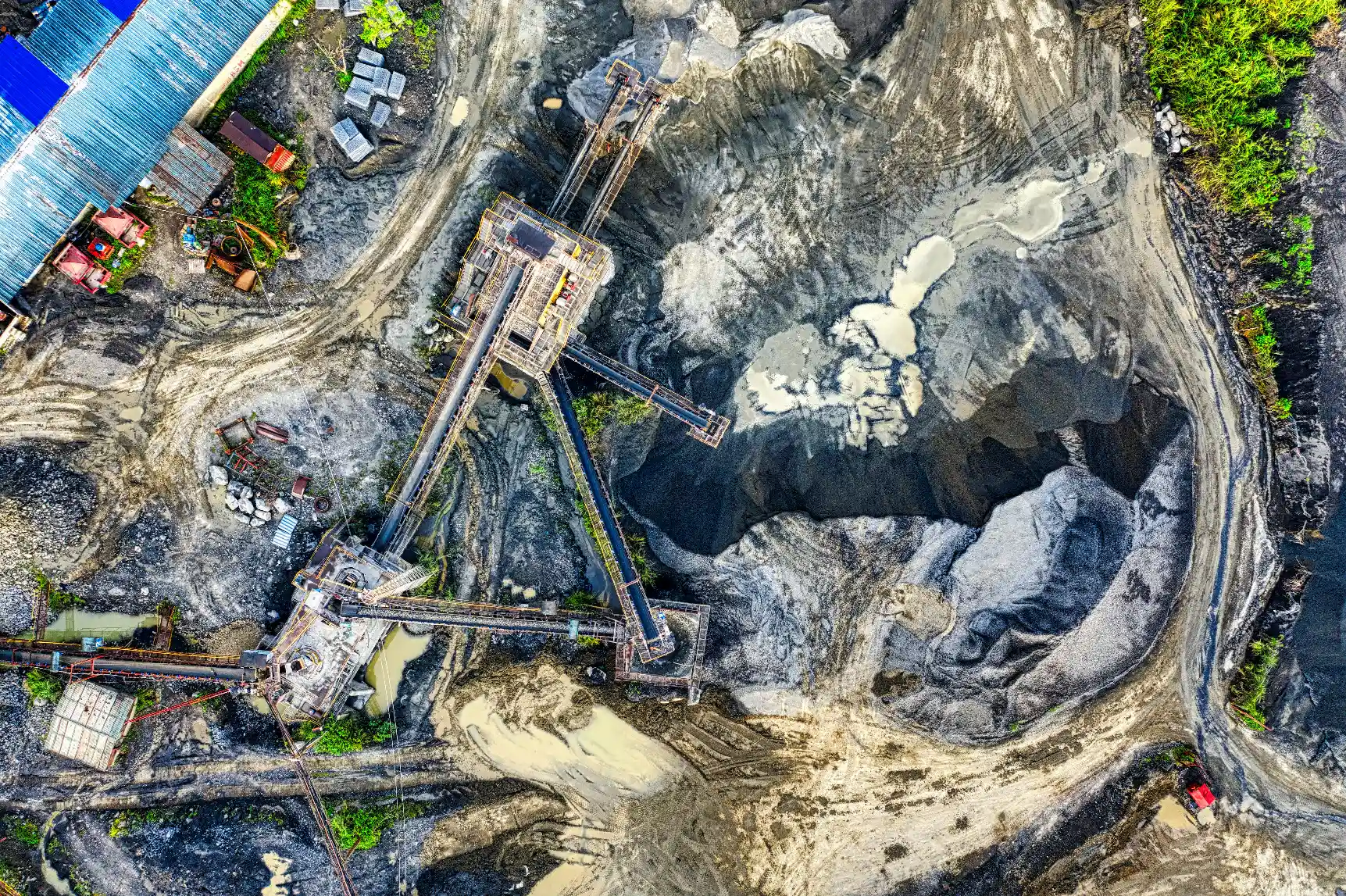
Development Minerals Mining
Overview
Job Growth
N/A
Duration
N/A
Avg. Salary
N/A
Career Paths
N/A
Program Description
Development Minerals Mining studies small to medium scale mineral resources that support local industry and communities. You will learn basic geology, mineralogy, chemistry, environmental science, and applied mathematics while doing field sampling, laboratory testing, and data analysis. The program teaches safe laboratory practice, sample preparation, analytical techniques, and scientific reporting. Graduates can work as research scientists, laboratory technicians, environmental scientists, quality control analysts, or become science teachers. This program is hands-on and builds skills that lead to jobs in mining, materials testing, environmental monitoring, and small-scale mineral enterprises. If you like practical science, fieldwork, and solving real problems, this course opens pathways to further study and to careers that help Ghana add value to its mineral resources.
Aims & Objectives
Develop practical laboratory skills in sample collection, preparation, and safe handling, measured by successful completion of practical assessments.
Master basic analytical techniques and instrument use, measured by accurate test results and calibration records.
Understand environmental impacts and regulatory requirements, measured by ability to prepare monitoring summaries and compliance reports.
Apply data collection and statistical analysis to interpret mineral test results, measured by completed data analysis projects and written reports.
Why Choose This Program?
Hands-on practical learning
You spend time in the field and laboratory, building skills employers value, not only theory.
Strong local job relevance
Ghana has growing demand for development minerals work, creating opportunities in testing, small-scale mining, and environmental monitoring.
Clear paths to further study and careers
The program prepares you for technician roles, further diplomas or university degrees in geology, chemistry, or environmental science.
Industry and internship opportunities
Students often access internships with local labs, mining firms, and government agencies for practical experience.
Skills & Tools
Skills You'll Develop
Sample preparation, wet chemistry tests, weighing and safe handling of reagents used for routine mineral analysis.
Proper sample collection, labeling, chain of custody, basic mapping and GPS use for locating deposits.
Recording measurements, using spreadsheets and basic statistical methods to summarize and interpret test results.
Routine calibration and simple maintenance of balances, microscopes, and common analytical instruments to ensure accurate data.
Tools & Resources
Microsoft Excel for data handling
QGIS for basic mapping and spatial data
R or similar free statistical tools for analysis
Challenges & Tips
Challenges
Finding maths and chemistry difficult when learning analysis techniques
Tips & Advice
Use extra tutorials, practice past questions, and apply concepts in practical lab exercises to build understanding.
Video Guide
Frequently Asked Questions
Ready to Apply?
Find programs that match your grades and interests - even if you haven't written WASSCE yet
Loading.. Please wait.

Talk to a Professional
Join a mentorship session with real professionals working in your field of interest.
 Real industry professionals
 Small groups (10-15 students)
 Starting at GH₵ 15 per session