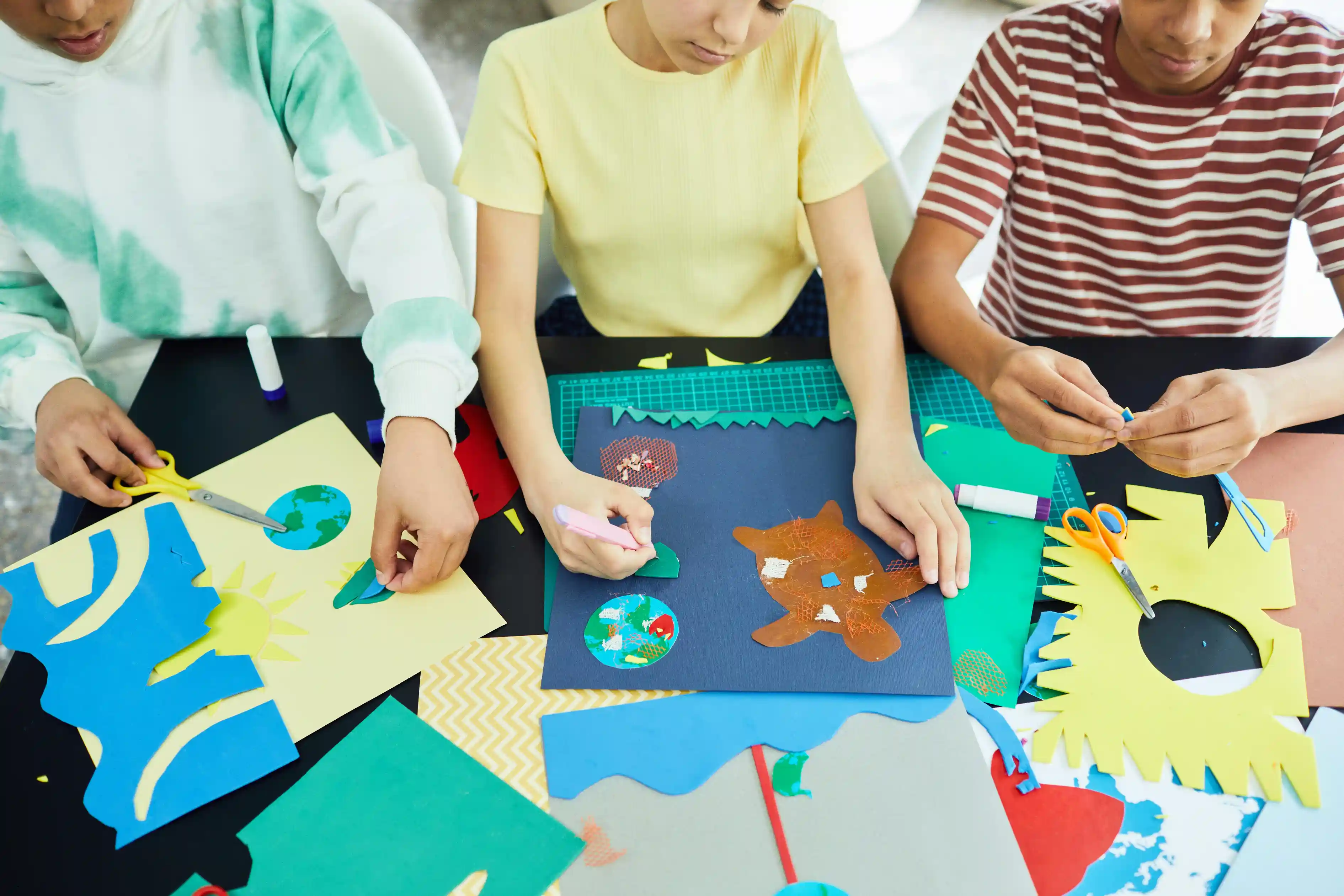
Creative Arts and Design Education
Overview
Job Growth
N/A
Duration
N/A
Avg. Salary
N/A
Career Paths
N/A
Program Description
Creative Arts and Design Education prepares you to teach art and design in Ghanaian schools, and to use creative methods in learning. You will study art fundamentals, design principles, Ghanaian visual culture, teaching methods, lesson planning, classroom management, assessment, and educational technology. Practical studio work, lesson practice, and curriculum projects are key parts of the program. After graduation you can work as a teacher, educational administrator, curriculum developer, special education specialist, or educational consultant. This program builds your creativity, teaching skills, and confidence so you can inspire young learners and shape arts education across basic and senior high schools.
Aims & Objectives
Develop clear, age-appropriate lesson plans and unit plans for creative arts at basic and senior high levels
Master classroom management and instructional strategies that promote active, inclusive learning
Understand art and design principles, Ghanaian cultural heritage, and their application in teaching
Create valid assessment tools, student portfolios, and practical projects to measure learning outcomes
Apply educational technology and visual media to deliver engaging, accessible arts lessons
Why Choose This Program?
Strong career pathways
Opens doors to teaching, curriculum development, administration, special education, and consultancy roles in schools and education services.
Practical, hands-on learning
Studio work, classroom practice, and real lesson delivery build skills you can use on the job from day one.
High demand in Ghanaian schools
Schools and educational programs seek qualified arts teachers and curriculum specialists to support holistic education.
Digital and modern teaching tools
Training includes educational technology and digital design, connecting you to modern teaching methods and resources.
Industry links and internships
Opportunities for teaching practice, community art projects, and partnerships with schools and cultural centres enhance experience.
Skills & Tools
Skills You'll Develop
Design sequenced lesson plans, learning outcomes, and themed units that meet Ghana Education Service standards.
Use behaviour strategies, lesson routines, and inclusive practices to manage diverse classroom settings.
Create rubrics, formative assessments, portfolios, and gradeable projects to measure student progress objectively.
Use tools like Google Classroom, Canva, presentation software, and online quizzes to enhance learning and communication.
Apply drawing, painting, printmaking, basic graphic design, and digital image editing to support lesson content.
Tools & Resources
Canva for design and teaching materials
Adobe Photoshop or free alternatives (GIMP)
Google Workspace (Classroom, Docs, Slides)
Kahoot or Quizizz for formative assessment
Simple audio editors (Audacity) for multimedia lessons
Challenges & Tips
Challenges
Balancing theory and practical studio work
Meeting curriculum assessment standards
Tips & Advice
Create a weekly timetable that allocates regular studio hours and review sessions for theory.
Use rubrics and sample assessments to align projects with stated learning outcomes.
Video Guide
Frequently Asked Questions
Ready to Apply?
Find programs that match your grades and interests - even if you haven't written WASSCE yet
Loading.. Please wait.

Talk to a Professional
Join a mentorship session with real professionals working in your field of interest.
 Real industry professionals
 Small groups (10-15 students)
 Starting at GH₵ 15 per session