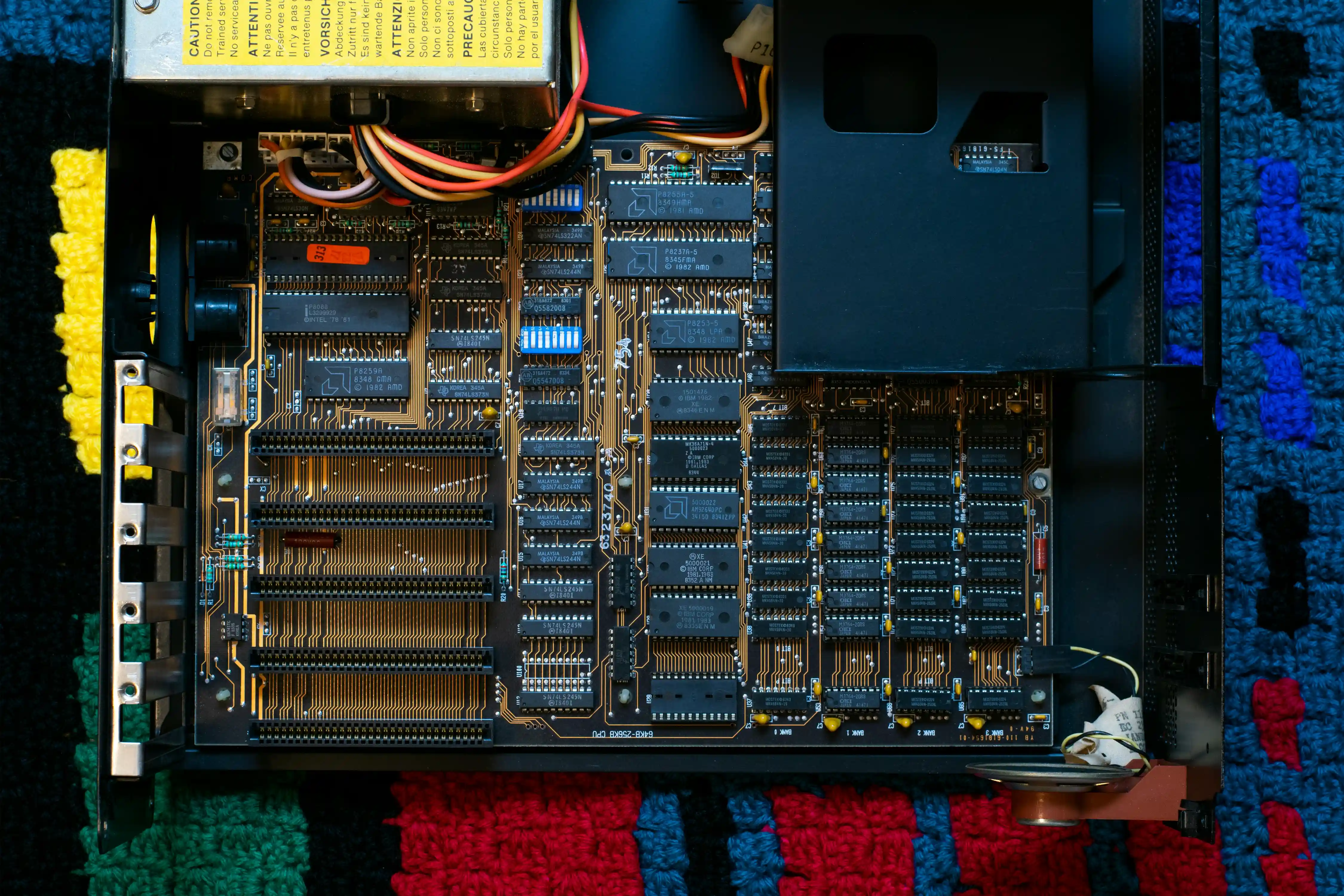
Computer Technology
Overview
Job Growth
N/A
Duration
N/A
Avg. Salary
N/A
Career Paths
N/A
Program Description
Computer Technology teaches you how to design, build, and maintain computer systems and the technology that runs them. You will study programming, computer systems and networking, basic electronics, digital logic, computer-aided design, and mathematics that support engineering. The program combines classroom theory with hands-on labs to create software, configure networks, and prototype devices. Graduates can pursue roles such as Software Engineer, IT Support Specialist, Systems Administrator, or continue into engineering fields like Electrical or Mechanical Engineering. This pathway builds practical problem-solving skills, prepares you for technical apprenticeships and tertiary study, and opens doors to careers in Ghana and beyond. If you enjoy solving problems with technology, this program will give you strong foundations and real skills to start a technical career.
Aims & Objectives
Develop practical programming skills by writing, testing, and documenting working programs in at least one high-level language.
Master basic computer systems and networking concepts by configuring and troubleshooting local networks and operating systems.
Create and prototype simple electronic or embedded projects using microcontroller kits and CAD tools, and produce technical documentation.
Apply mathematical modeling and analysis to solve engineering problems and evaluate the performance of simple systems.
Why Choose This Program?
High demand for technical skills
Employers in Ghana and globally need programmers, IT support staff, and systems technicians, giving strong job prospects after study or apprenticeships.
Hands-on, practical learning
The program emphasizes laboratory work, projects, and prototyping, so you gain real experience you can show to employers.
Clear pathway to higher study and engineering careers
Completing this program prepares you for tertiary study in computer science, engineering, or IT, and for technical roles in industry.
Industry links and internship opportunities
Many programs connect students with local companies, ICT hubs, and internship placements to gain workplace experience.
Skills & Tools
Skills You'll Develop
Write, debug, and document programs using languages like Python, Java, or C, and use IDEs and version control for real projects.
Configure routers, switches, and operating systems, manage user accounts, and troubleshoot connectivity and security issues.
Use CAD tools and breadboarding or PCB prototyping to design simple hardware and interfaces for embedded projects.
Apply algebra, discrete mathematics, and basic statistics to model algorithms, evaluate system performance, and solve engineering problems.
Tools & Resources
Visual Studio Code or other code editors
Git and GitHub for version control
Linux operating system and network tools
Arduino IDE
Challenges & Tips
Challenges
Steep learning curve in mathematics and abstract concepts
Rapidly changing technology
Tips & Advice
Practice regularly, use step-by-step tutorials, and seek help from teachers or tutors when concepts are unclear.
Focus on fundamentals, follow reputable online courses, and schedule weekly learning time to stay current.
Video Guide
Frequently Asked Questions
Ready to Apply?
Find programs that match your grades and interests - even if you haven't written WASSCE yet
Loading.. Please wait.

Talk to a Professional
Join a mentorship session with real professionals working in your field of interest.
 Real industry professionals
 Small groups (10-15 students)
 Starting at GH₵ 15 per session