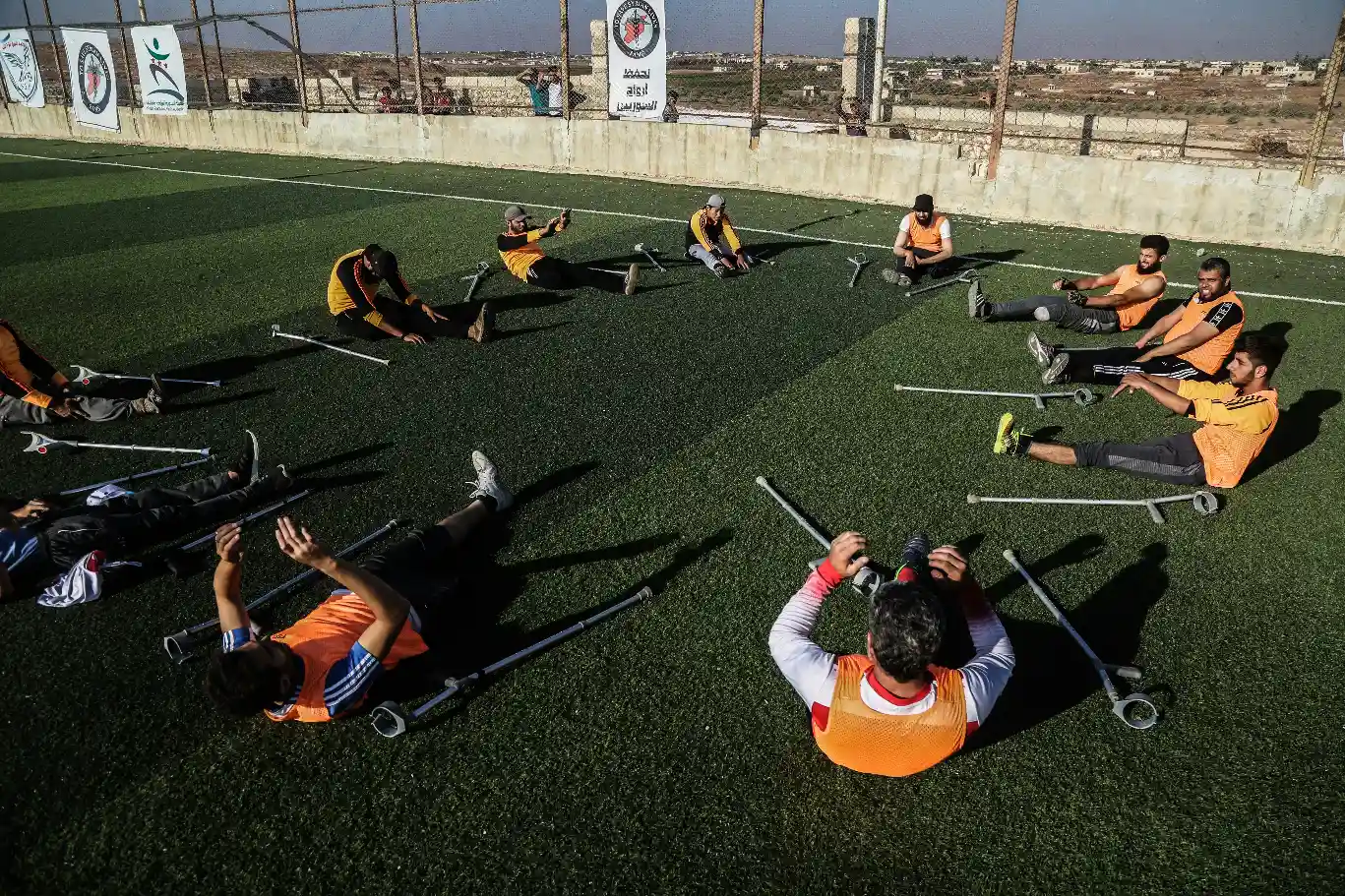
Community-Based Rehabilitation and Disability Studies
Overview
Job Growth
N/A
Duration
N/A
Avg. Salary
N/A
Career Paths
N/A
Program Description
Community-Based Rehabilitation and Disability Studies trains students to support learners with disabilities in schools and communities. You will study inclusive teaching methods, child development, special education principles, curriculum adaptation, assessment, assistive technology, and community rehabilitation practices. The program combines classroom study with practical placements in schools, clinics, and community programs, teaching you how to plan lessons, use educational technology, and work with families and health teams. Graduates can work as teachers, special education specialists, curriculum developers, educational administrators, or consultants in schools, NGOs, and government services. This program equips you to improve learners' access to education and to build a meaningful career in education.
Aims & Objectives
Develop inclusive lesson plans and curriculum adaptations that meet diverse learner needs, including individual education plans.
Master classroom management techniques that promote safe, supportive, and accessible learning environments for all students.
Understand and apply assessment and evaluation methods to measure learner progress and improve instruction.
Create and use simple assistive technology and instructional materials to support communication and learning.
Collaborate effectively with families, health professionals, and community organizations to design and deliver rehabilitation activities.
Why Choose This Program?
High social impact
Work directly to improve access to education for children with disabilities, making a visible community difference.
Strong career demand
Opportunities in schools, NGOs, clinics, and government agencies respond to growing need for inclusive education professionals in Ghana.
Practical hands-on training
Field placements and community projects build real experience, readying you for immediate employment or further study.
Versatile career paths
Skills lead to roles as teachers, special educators, curriculum developers, administrators, or educational consultants.
Industry links and internships
Program often partners with local schools, health centers, and NGOs for internships and community-based learning opportunities.
Skills & Tools
Skills You'll Develop
Design inclusive lesson plans and adapt curriculum content to meet varied learning needs, including IEP development.
Use formative and summative assessments, observation checklists, and progress tracking to measure learner outcomes.
Apply tools like screen readers, text-to-speech apps, adapted keyboards, and low-cost aids to support communication and learning.
Plan and implement community-based rehabilitation activities using participatory approaches and the CBR matrix.
Use platforms such as Google Classroom, basic LMS tools, multimedia resources, and educational apps to enhance instruction.
Tools & Resources
Google Workspace for Education
Moodle or basic LMS
NVDA or other screen reader
Assessment apps (survey and quiz tools)
Simple communication apps (text-to-speech, AAC apps)
Challenges & Tips
Challenges
Wide range of learning needs in a single class
Limited access to specialized textbooks
Tips & Advice
Learn differentiation strategies and use simple adaptations to teach mixed-ability groups.
Use open educational resources and create low-cost, locally relevant teaching materials.
Video Guide
Frequently Asked Questions
Ready to Apply?
Find programs that match your grades and interests - even if you haven't written WASSCE yet
Loading.. Please wait.

Talk to a Professional
Join a mentorship session with real professionals working in your field of interest.
 Real industry professionals
 Small groups (10-15 students)
 Starting at GH₵ 15 per session