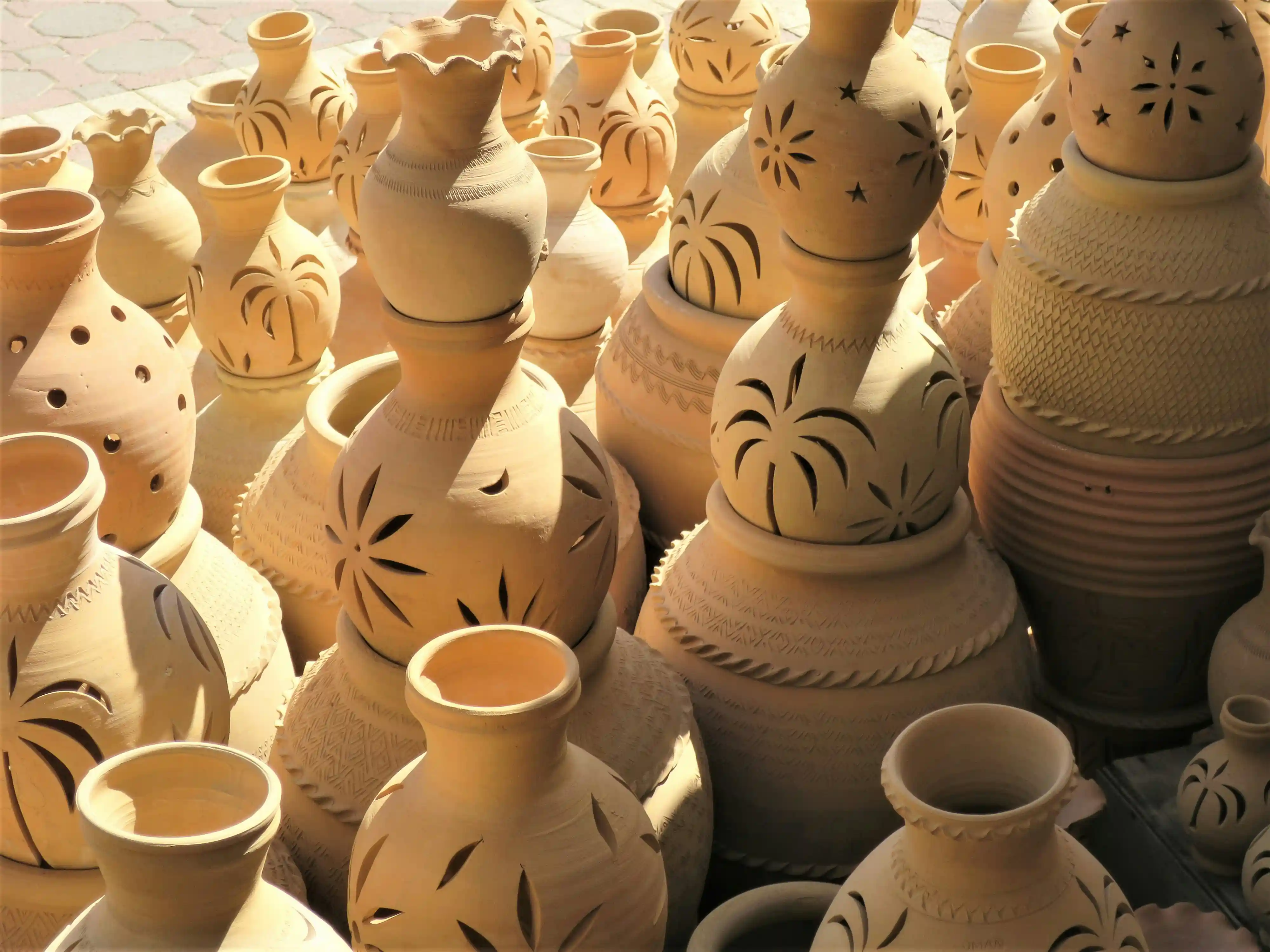
Ceramics Technology
Overview
Job Growth
N/A
Duration
N/A
Avg. Salary
N/A
Career Paths
N/A
Program Description
Ceramics Technology teaches students how to design, shape and finish clay and ceramic objects, combining creative expression with technical skills. In simple terms, you will learn hand-building and wheel-throwing, glaze formulation, kiln operation, surface decoration, and the history and cultural importance of ceramics. Main subjects include studio practice, materials science for ceramics, art history, design fundamentals, and portfolio development. The program prepares you for careers such as museum curator, art teacher, creative director, ceramic artist, product designer or small business owner running a pottery studio. It builds practical studio skills, creative problem-solving and industry-ready portfolios—perfect for SHS students who enjoy making, designing and sharing cultural stories through objects.
Aims & Objectives
Develop reliable hand-building and wheel-throwing techniques to produce consistent functional and sculptural pieces.
Master glaze formulation and firing schedules to achieve safe, durable and predictable surface finishes.
Understand the cultural, historical and ethical contexts of ceramics through research and written projects.
Create a professional portfolio of at least eight finished works demonstrating varied techniques and design concepts.
Analyze and solve studio technical problems related to clay bodies, kilns and surface defects using testing methods.
Why Choose This Program?
Hands-on creative skill
You get practical studio training that turns ideas into real objects—great for makers who learn by doing.
Strong career pathways
Leads to roles in museums, education, design, studio practice and creative direction—skills valued in Ghana’s growing arts sector.
Cultural connection
Explore Ghanaian ceramic traditions and contemporary practice, giving work cultural depth and market appeal.
Entrepreneurial opportunities
Skills support small business—selling pottery, running workshops, or product design for local markets and tourism.
Industry links and experience
Program supports internships, gallery shows and partnerships with museums or community art centres for real-world exposure.
Skills & Tools
Skills You'll Develop
Practical shaping techniques (pinch, coil, slab, throwing) used to create functional and sculptural forms.
Mixing glazes, testing colour reactions and using slips, underglazes and decorative techniques for desired aesthetics.
Setting and monitoring firing programs, understanding temperature ranges and safety for electric and gas kilns.
Using Adobe Photoshop/Illustrator to design surface patterns, labels and product mock-ups for production or promotion.
Documenting work with photography, layout design (InDesign/WordPress) and preparing pieces for shows or sales.
Tools & Resources
Adobe Creative Suite (Photoshop, Illustrator, InDesign)
Canva
Final Cut Pro (for video documentation)
WordPress
Challenges & Tips
Challenges
Learning technical glaze chemistry and firing theory can be complex.
Producing consistent work while managing drying and firing schedules.
Tips & Advice
Break theory into small experiments, keep clear test tiles, and record results to learn patterns.
Plan projects with timelines, label stages clearly and practice time-based routines in the studio.
Video Guide
Frequently Asked Questions
Ready to Apply?
Find programs that match your grades and interests - even if you haven't written WASSCE yet
Loading.. Please wait.

Talk to a Professional
Join a mentorship session with real professionals working in your field of interest.
 Real industry professionals
 Small groups (10-15 students)
 Starting at GH₵ 15 per session