Biomedical Science
Overview
Job Growth
N/A
Duration
N/A
Avg. Salary
N/A
Career Paths
N/A
Program Description
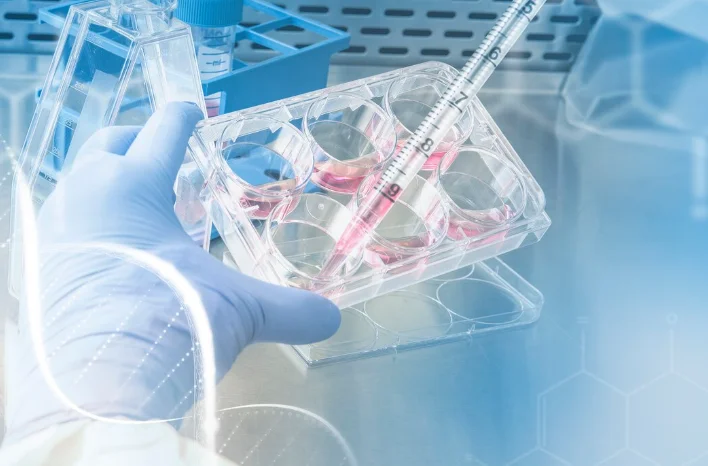
Biomedical Science trains you in the science and practice behind patient care and medical testing. You will study anatomy, physiology, microbiology, clinical biochemistry, laboratory techniques, and basic patient assessment. The program combines classroom theory with hands-on lab practice and hospital attachments. Graduates can work as medical laboratory technicians, support registered nurses, become physiotherapy assistants, join public health teams, or move into healthcare administration and research. If you enjoy science, helping people, and learning practical clinical skills, this program opens many career paths in Ghanaian hospitals, clinics, public health agencies, and laboratories.
Aims & Objectives
Develop accurate laboratory techniques, including microscopy and sample preparation, with demonstrable competency in routine tests.
Master basic patient assessment skills, such as measuring vital signs and taking patient history, to support clinical teams.
Understand human anatomy and physiology well enough to interpret common laboratory and clinical findings.
Apply infection control procedures and safe handling of biological samples to meet workplace safety standards.
Use health data tools to record, organise, and report results clearly for clinical decision making.
Why Choose This Program?
Strong job demand
Healthcare in Ghana needs trained laboratory and clinical support staff, giving steady entry-level job opportunities in hospitals and clinics.
Hands-on learning
Practical lab sessions and hospital attachments teach real clinical techniques, making graduates workplace-ready.
Clear career pathways
You can progress into roles such as medical laboratory technician, public health officer, or continue training to become a registered nurse or physiotherapist.
Opportunities for internships and networking
Partnerships with hospitals and public health facilities provide clinical placements and contacts for employment.
Skills & Tools
Skills You'll Develop
Prepare and examine blood, urine, and tissue samples using light microscopes and staining methods to identify common findings.
Use and maintain equipment such as centrifuges, micropipettes, and vital signs monitors for routine diagnostic tests.
Apply standard precautions, sterilisation techniques, and safe waste handling to prevent laboratory and clinical infections.
Record and organise test results using spreadsheets and laboratory information systems for accurate reporting and patient care.
Complete laboratory request forms, record observations, and write clear reports that support clinical decisions.
Tools & Resources
Laboratory information management system (LIMS)
Microsoft Excel
SPSS or R for basic data analysis
Electronic medical record systems
Challenges & Tips
Challenges
Heavy science workload and complex concepts
Learning practical lab techniques
Tips & Advice
Create a study schedule, form study groups, and ask teachers for clarification early.
Attend all lab sessions, practise procedures under supervision, and review protocols before labs.
Video Guide
Frequently Asked Questions
Ready to Apply?
Find programs that match your grades and interests - even if you haven't written WASSCE yet
Loading.. Please wait.

Talk to a Professional
Join a mentorship session with real professionals working in your field of interest.
 Real industry professionals
 Small groups (10-15 students)
 Starting at GH₵ 15 per session