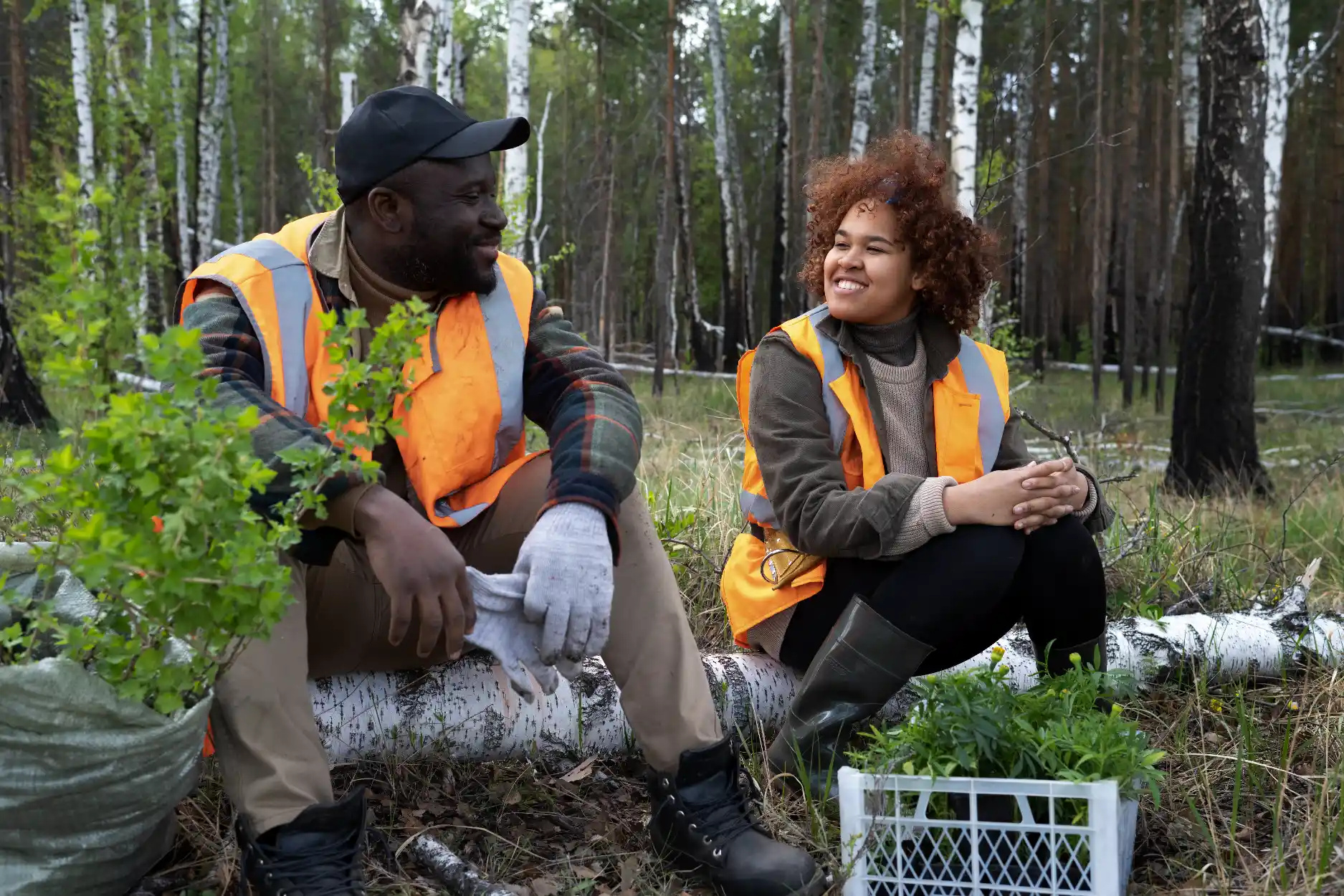
Biodiversity Conservation
Overview
Job Growth
N/A
Duration
N/A
Avg. Salary
N/A
Career Paths
N/A
Program Description
Biodiversity Conservation teaches how to protect plants, animals, soils and ecosystems while supporting sustainable agriculture and rural livelihoods. Students study ecology, soil science, crop management, agroforestry, environmental policy and conservation techniques. Through classroom lessons, laboratory work and field visits, you learn to monitor species, assess habitat health, design sustainable farming systems and carry out environmental impact assessments. Graduates can work as agronomists, environmental scientists, farm managers, soil scientists or conservation officers in government agencies, NGOs, research institutes and private farms. The program prepares you for practical jobs, further study and community projects that make a real difference to Ghanaian landscapes and food systems. This is a hands on, career focused program that values sustainability, science and local knowledge.
Aims & Objectives
Develop practical skills in soil and crop management through hands on labs and fieldwork.
Master methods for monitoring biodiversity, species identification and habitat assessment.
Understand principles of sustainable farming, agroforestry and natural resource management.
Create environmental impact assessments and management plans for local projects.
Analyze field data using basic statistics and GIS to support conservation decisions.
Why Choose This Program?
Strong Career Pathways
Leads to jobs as agronomists, environmental scientists, farm managers, soil scientists and conservation officers.
Practical, Hands On Training
Fieldwork, labs and community projects build skills employers value in Ghanaian agriculture and conservation sectors.
High Local Demand
Ghana needs professionals to manage soils, crops and natural resources under climate pressures and expanding agriculture.
Industry Connections
Opportunities for internships with research centres, extension services, NGOs and government agencies strengthen experience.
Pathway to Further Study
Provides a foundation for degrees and certifications in environmental science, agronomy and natural resource management.
Skills & Tools
Skills You'll Develop
Use soil probes, pH meters and lab tests to assess fertility and recommend soil management practices.
Carry out baseline surveys, risk assessments and mitigation planning for agricultural and development projects.
Use QGIS and handheld GPS units to map habitats, land use and monitor changes over time.
Design and implement agroforestry, crop rotation and soil conservation methods to improve yields and biodiversity.
Gather field data and analyze with Excel or R to support research, reports and management decisions.
Tools & Resources
QGIS
Microsoft Excel
R or RStudio
Farm management software
Google Earth
Open data collection apps like KoboToolbox
Challenges & Tips
Challenges
Difficulty with science and maths fundamentals.
Balancing theory and fieldwork skills.
Tips & Advice
Revise basic biology, chemistry and maths, and ask teachers for extra practice or join study groups.
Schedule regular field practice and link classroom topics to hands on exercises to reinforce learning.
Video Guide
Frequently Asked Questions
Ready to Apply?
Find programs that match your grades and interests - even if you haven't written WASSCE yet
Loading.. Please wait.

Talk to a Professional
Join a mentorship session with real professionals working in your field of interest.
 Real industry professionals
 Small groups (10-15 students)
 Starting at GH₵ 15 per session