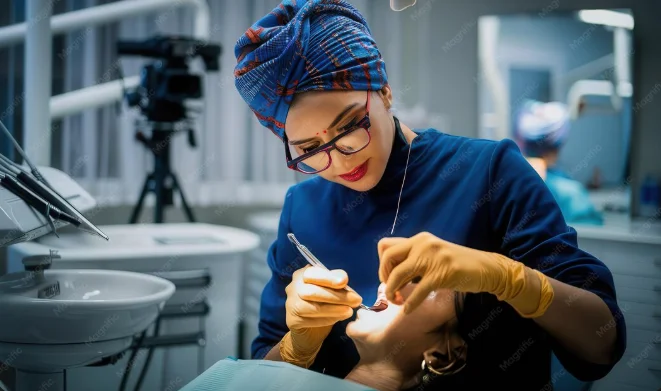
Bachelor of Dental Surgery
Overview
Job Growth
N/A
Duration
N/A
Avg. Salary
N/A
Career Paths
N/A
Program Description
Bachelor of Dental Surgery trains students to become qualified dentists who prevent, diagnose, and treat diseases of the teeth, gums, and mouth. The program covers anatomy, physiology, oral pathology, restorative dentistry, orthodontics, oral surgery, pediatric dentistry, infection control, and community oral health. Students learn clinical skills in patient assessment, dental procedures, radiography, pain management, and health promotion. Graduates can work as dentists in hospitals, private clinics, community health centers, public health programs, or continue with specialties such as orthodontics or oral surgery. This path combines hands-on clinical training with scientific knowledge, and prepares motivated SHS students for a rewarding career in healthcare and patient care.
Aims & Objectives
Develop safe and effective clinical skills in dental examination, diagnosis, and basic dental procedures.
Master principles of oral anatomy, oral pathology, dental materials, and radiographic interpretation.
Understand infection control, pain management, and ethical practice for patient safety and professional conduct.
Create treatment plans that integrate preventative care, restorative techniques, and community oral health strategies.
Apply research methods and evidence based practice to improve patient outcomes and continue professional learning.
Why Choose This Program?
High demand for oral healthcare
Dentists are needed in hospitals, private clinics, and public health programs across Ghana, offering strong job prospects.
Hands-on clinical training
Extensive practical sessions and patient clinics develop real-world skills from early in the program.
Clear professional pathway
Graduation leads to registration with regulatory bodies and options for specialization or community oral health roles.
Impactful, community-focused work
Dentists improve quality of life through prevention, treatment, and health promotion in communities.
Opportunities for internships and networking
Universities partner with hospitals and clinics for clinical rotations, outreach programs, and mentorship.
Skills & Tools
Skills You'll Develop
Conduct oral exams, interpret signs of dental disease, and use patient history to make treatment decisions.
Use handpieces, dental instruments, and restorative materials to treat cavities and restore tooth function.
Operate intraoral and extraoral X ray equipment, interpret radiographs, and use digital imaging software.
Apply standard precautions, autoclave protocols, and clinic hygiene to prevent cross infection.
Select and use dental cements, composites, and computer aided design and manufacturing for prosthetics.
Tools & Resources
Digital radiography software
Dental practice management systems
CAD/CAM design software
Electronic patient record systems
Statistical and research tools (SPSS, R)
Challenges & Tips
Challenges
Heavy scientific workload and fast pace of courses
Mastering manual dexterity and clinical techniques
Tips & Advice
Use a study schedule, join study groups, and seek help from tutors early.
Practice regularly in simulation labs and request extra supervised sessions.
Video Guide
Frequently Asked Questions
Ready to Apply?
Find programs that match your grades and interests - even if you haven't written WASSCE yet
Loading.. Please wait.

Talk to a Professional
Join a mentorship session with real professionals working in your field of interest.
 Real industry professionals
 Small groups (10-15 students)
 Starting at GH₵ 15 per session