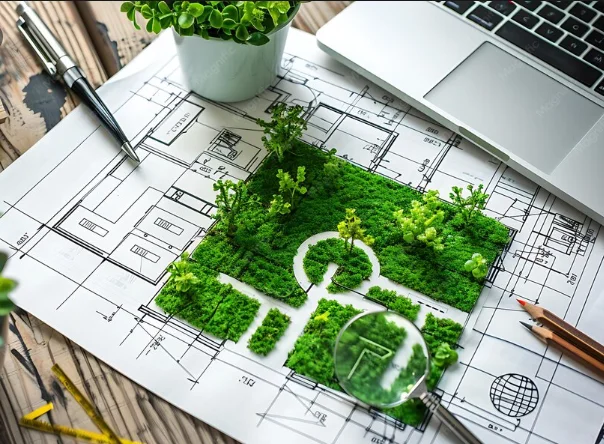
Architecture and Sustainable Design
Overview
Job Growth
N/A
Duration
N/A
Avg. Salary
N/A
Career Paths
N/A
Program Description
Architecture and Sustainable Design teaches how to plan, design, and manage buildings and public spaces that meet human needs while protecting the environment. You will study design principles, technical drawing and CAD, building materials, structures, site analysis, sustainable design practices, and basic construction management. The program combines studio work, field visits, and technical theory to build practical skills. Graduates can pursue careers as architects, urban planners, construction managers, surveyors, or environmental consultants, and can work in private firms, government agencies, and construction sites. If you enjoy drawing, problem solving, and care about creating safer, greener communities, this program offers a creative and practical route into Ghanas growing built environment sector.
Aims & Objectives
Develop clear hand sketches and digital drawings using CAD to produce professional construction drawings.
Understand principles of sustainable design and local building codes to assess environmental impact and compliance.
Master basic site analysis and surveying techniques to evaluate topography, orientation, and site constraints.
Create physical and digital models to present design proposals and justify material and structural choices.
Why Choose This Program?
Growing job demand
Ghana is investing in infrastructure and urban development, creating strong demand for trained designers, planners, and construction managers.
Practical, hands-on learning
Studio projects, model making, and site visits give real-world experience that prepares you for internships and entry-level roles.
Focus on sustainability
You learn how to design energy-efficient, climate-smart buildings, an important skill as Ghana adapts to climate change and green building standards.
Diverse career paths
Skills transfer to roles in architecture firms, municipal planning departments, construction companies, and environmental consultancies.
Skills & Tools
Skills You'll Develop
Use AutoCAD and similar tools to create accurate 2D plans, elevations, and details for construction.
Apply Revit or BIM workflows to coordinate design, structural and MEP information for efficient project delivery.
Perform site assessments, measure existing conditions, and interpret topography, orientation, and context for design decisions.
Incorporate passive cooling, material selection, water management, and energy efficiency principles suitable for Ghanaian climates.
Tools & Resources
AutoCAD
Revit or other BIM software
SketchUp and visualization tools
Challenges & Tips
Challenges
Steep learning curve for technical drawing and software
Strong math and science foundation required for structures
Tips & Advice
Practice regularly, use tutorials, and join peer study groups to reinforce skills.
Focus on improving mathematics and physics, seek extra tuition if needed, and apply formulas to real projects.
Video Guide
Frequently Asked Questions
Ready to Apply?
Find programs that match your grades and interests - even if you haven't written WASSCE yet
Loading.. Please wait.

Talk to a Professional
Join a mentorship session with real professionals working in your field of interest.
 Real industry professionals
 Small groups (10-15 students)
 Starting at GH₵ 15 per session