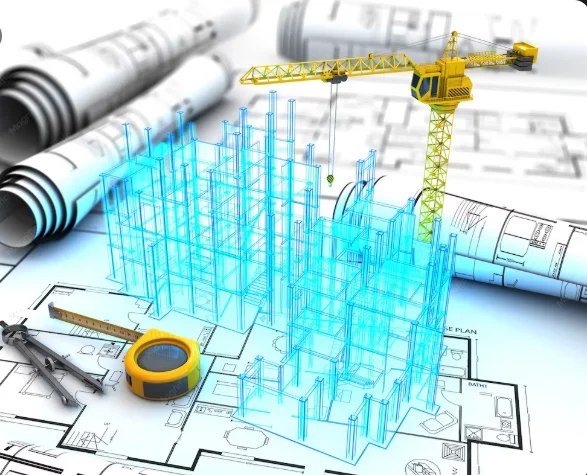
Architectural Technology
Overview
Job Growth
N/A
Duration
N/A
Avg. Salary
N/A
Career Paths
N/A
Program Description
Architectural Technology teaches how to design, plan, build, and manage safe and attractive buildings and spaces. Students study technical drawing, construction methods, building materials, structural basics, site surveying, sustainable design, and computer-aided design. The program combines hands-on workshops, fieldwork, and software training to prepare you for real projects. Career paths include architectural technologist, construction manager, urban planner, surveyor, and environmental consultant. This program opens opportunities in construction firms, government planning departments, and private practice, and helps you build a strong technical portfolio. If you enjoy drawing, solving practical problems, and improving the places where people live and work, this program can set you on a rewarding career path.
Aims & Objectives
Develop accurate technical drawing skills, producing working drawings and plans using CAD tools to industry standards.
Master basic construction methods and material selection, demonstrating correct specification for common building elements.
Understand site analysis and surveying techniques, completing measured surveys and simple site reports.
Create sustainable design solutions, applying basic environmental and energy-efficient principles to building projects.
Why Choose This Program?
Strong Job Demand
Ghana's growing cities need skilled professionals to design and manage buildings and infrastructure, creating steady employment opportunities.
Practical, Hands-On Training
The program combines workshops, site visits, and real projects so you gain practical skills employers value from day one.
Pathways to Professional Roles
Graduates can progress into roles such as architectural technologist, construction manager, or further study to become a registered architect or planner.
Focus on Sustainable Practice
You learn current sustainable design and building techniques, which are increasingly required in public and private projects.
Skills & Tools
Skills You'll Develop
Create precise 2D drawings and plans using AutoCAD or similar software for documentation and construction.
Use Revit or equivalent BIM tools to model building components, coordinate disciplines, and detect clashes before construction.
Carry out basic land surveys, measure sites accurately, and evaluate site constraints for design decisions.
Apply passive design, material selection, and energy-saving strategies to reduce environmental impact and running costs.
Tools & Resources
AutoCAD
Revit (BIM)
SketchUp
QGIS or basic GIS tools
Challenges & Tips
Challenges
Difficulty with technical drawing and spatial thinking
Understanding structural and construction theory
Tips & Advice
Practice sketching regularly, use step-by-step CAD tutorials, and study worked examples to build confidence.
Attend practical workshops, ask instructors for simple explanations, and relate theory to real buildings you see locally.
Video Guide
Frequently Asked Questions
Ready to Apply?
Find programs that match your grades and interests - even if you haven't written WASSCE yet
Loading.. Please wait.

Talk to a Professional
Join a mentorship session with real professionals working in your field of interest.
 Real industry professionals
 Small groups (10-15 students)
 Starting at GH₵ 15 per session