Aquaculture Management
Overview
Job Growth
N/A
Duration
N/A
Avg. Salary
N/A
Career Paths
N/A
Program Description
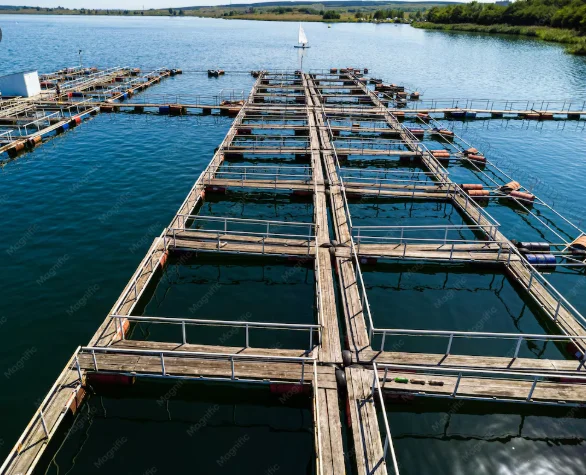
Aquaculture Management teaches how to raise fish and other aquatic animals in a way that protects the environment and supports communities. Students study fish biology, water quality, pond and hatchery design, feed and nutrition, disease prevention, and farm business management. The program mixes classroom theory with hands-on practice in ponds and labs, preparing learners for careers such as fish farm manager, hatchery technician, aquaculture extension officer, fisheries officer, or aquaculture entrepreneur. It also opens pathways into environmental and natural resource roles. This course is practical and career-focused, ideal for SHS students who want to help Ghana increase local fish production, support food security, and build sustainable livelihoods.
Aims & Objectives
Develop practical skills to construct and operate ponds and hatcheries, including stocking and harvest procedures, measurable by successful management of a demonstration pond.
Master water quality monitoring and sampling techniques, able to record and interpret pH, dissolved oxygen, temperature, and ammonia within acceptable ranges.
Understand and apply sustainable farming practices and environmental impact assessment methods to reduce pollution and conserve resources.
Apply basic data collection and analysis for stock assessment and feed management, demonstrated by keeping accurate production and financial records.
Why Choose This Program?
High demand and job growth
Ghana needs more locally produced fish. Trained aquaculture graduates find roles on commercial farms, government services, and NGOs.
Hands-on, practical learning
The program includes pond and hatchery practice, field visits, and internships that build real workplace experience.
Entrepreneurship opportunities
Skills learned let you start small-scale fish farms, supply fingerlings, or run hatcheries, offering a clear route to self-employment.
Positive environmental impact
You learn sustainable methods that protect waterways, enhance food security, and support conservation efforts.
Skills & Tools
Skills You'll Develop
Use DO meters, pH meters, and test kits to measure oxygen, pH, temperature, and ammonia, and make management decisions from results.
Manage stocking densities, pond preparation, feeding schedules, and disease prevention for healthy production cycles.
Evaluate feed types and calculate rations to optimize growth, reduce waste, and control costs.
Record growth, mortality, and production costs, and use spreadsheets to monitor performance and improve profitability.
Tools & Resources
Microsoft Excel
farm management apps (AquaFarm or similar)
mobile data collection apps
Challenges & Tips
Challenges
Weak background in biology and chemistry
Difficulty with record keeping and basic math
Tips & Advice
Attend extra lessons, use online tutorials, and focus on practical experiments to build understanding.
Practice using simple spreadsheets and calculators; keep daily logs during practical sessions.
Video Guide
Frequently Asked Questions
Ready to Apply?
Find programs that match your grades and interests - even if you haven't written WASSCE yet
Loading.. Please wait.

Talk to a Professional
Join a mentorship session with real professionals working in your field of interest.
 Real industry professionals
 Small groups (10-15 students)
 Starting at GH₵ 15 per session