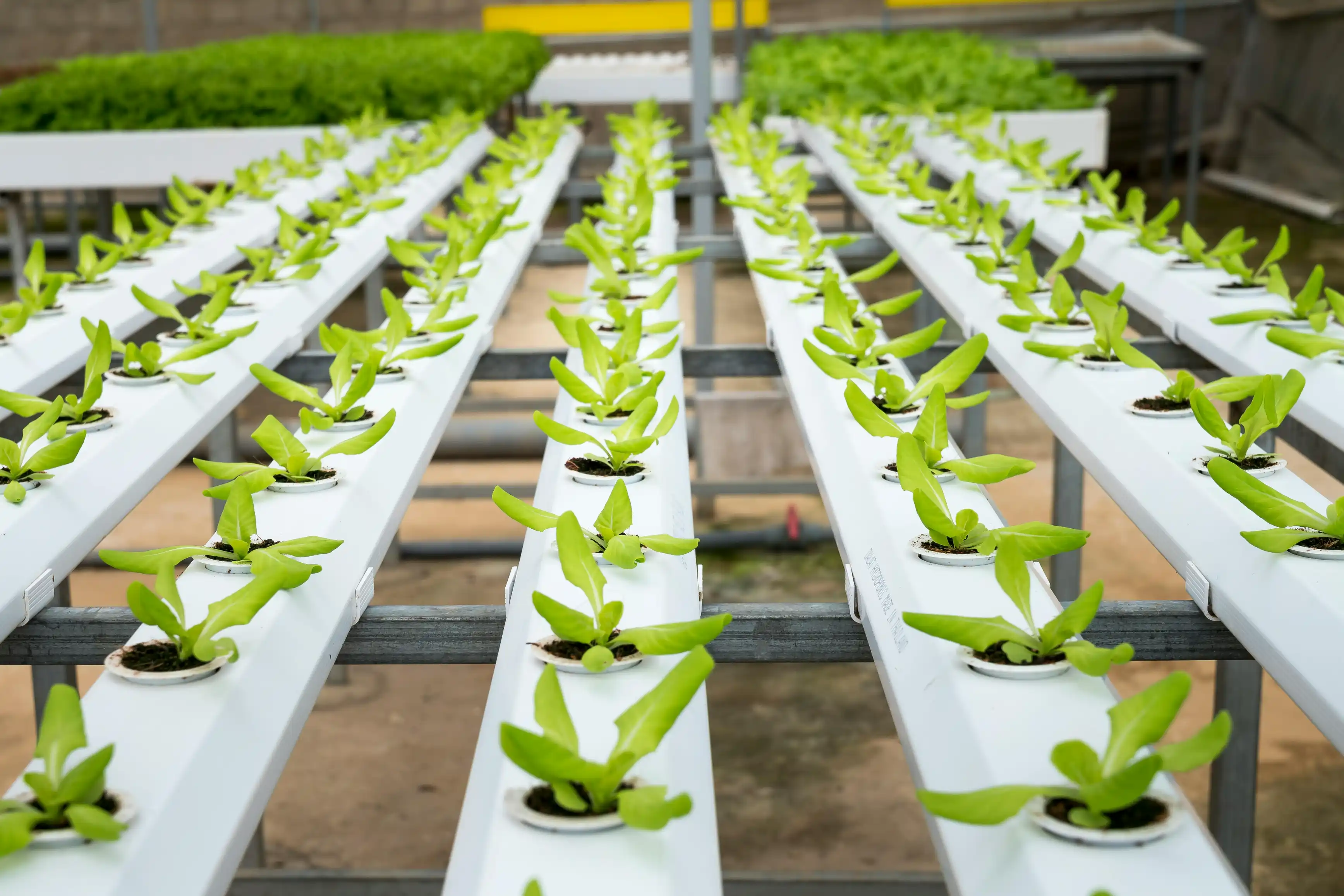
Agriculture Technology
Overview
Job Growth
N/A
Duration
N/A
Avg. Salary
N/A
Career Paths
N/A
Program Description
Agriculture Technology teaches practical and scientific methods for growing crops, managing soil, and protecting the environment. You will study crop management, soil science, agroforestry, pest control, farm machinery, and environmental conservation. Classes combine theory, laboratory work, and hands-on practice on school farms and field visits. The program prepares students for careers like agronomist, farm manager, soil scientist, conservation officer, and environmental scientist. It also opens pathways to further study in agriculture, natural resources, and rural development. If you enjoy working outdoors, solving problems, and helping communities use natural resources sustainably, this program gives you practical skills and clear job opportunities in Ghana and beyond.
Aims & Objectives
Develop practical skills in soil testing and crop management to improve farm productivity and record measurable yield changes.
Master use of basic agricultural tools and digital technologies, including GPS mapping and data collection apps, for field monitoring.
Understand principles of sustainable farming, pest management, and environmental conservation to design eco-friendly farm plans.
Create and implement crop calendars, farm layouts, and simple agroforestry plans that conserve resources and increase resilience.
Apply data analysis to field observations and prepare clear reports and simple environmental impact assessments.
Why Choose This Program?
Strong job demand
Ghana needs trained agriculture professionals for food security, export crops, and rural development, creating local job opportunities.
Hands-on learning
Practical work on school farms and demonstrations builds real skills employers value and prepares you for field roles.
Pathway to higher study
Completing the program opens routes to tertiary courses in agriculture, environmental science, and natural resource management.
Technology and innovation
You will learn modern tools like GPS, farm apps, and basic data analysis used in precision and climate-smart farming.
Industry connections
Opportunities for internships, field visits, and partnerships with local farms, NGOs, and agricultural extension services.
Skills & Tools
Skills You'll Develop
Use soil kits and simple lab methods to measure pH, nutrients, and texture, then recommend fertilizer and amendment plans.
Apply planting schedules, crop rotation, intercropping, and integrated pest management to boost yields and reduce losses.
Operate GPS devices and Google Earth or QGIS basics to map fields, plan layouts, and monitor land use changes.
Collect field data, evaluate risks to ecosystems, and write simple assessments that support sustainable project decisions.
Record production data, use spreadsheets and simple statistics to track performance and guide farm management choices.
Tools & Resources
Microsoft Excel or Google Sheets
QGIS or Google Earth
Farm management apps
Mobile data collection apps
Basic statistical tools
Challenges & Tips
Challenges
Limited practical time and heavy theory
Difficulty understanding science concepts
Tips & Advice
Prioritize hands-on sessions, join school farm teams, and practice skills during breaks to reinforce learning.
Form study groups, ask teachers for demonstrations, and use online videos for step-by-step explanations.
Video Guide
Frequently Asked Questions
Ready to Apply?
Find programs that match your grades and interests - even if you haven't written WASSCE yet
Loading.. Please wait.

Talk to a Professional
Join a mentorship session with real professionals working in your field of interest.
 Real industry professionals
 Small groups (10-15 students)
 Starting at GH₵ 15 per session