Agriculture
Overview
Job Growth
N/A
Duration
N/A
Avg. Salary
N/A
Career Paths
N/A
Program Description
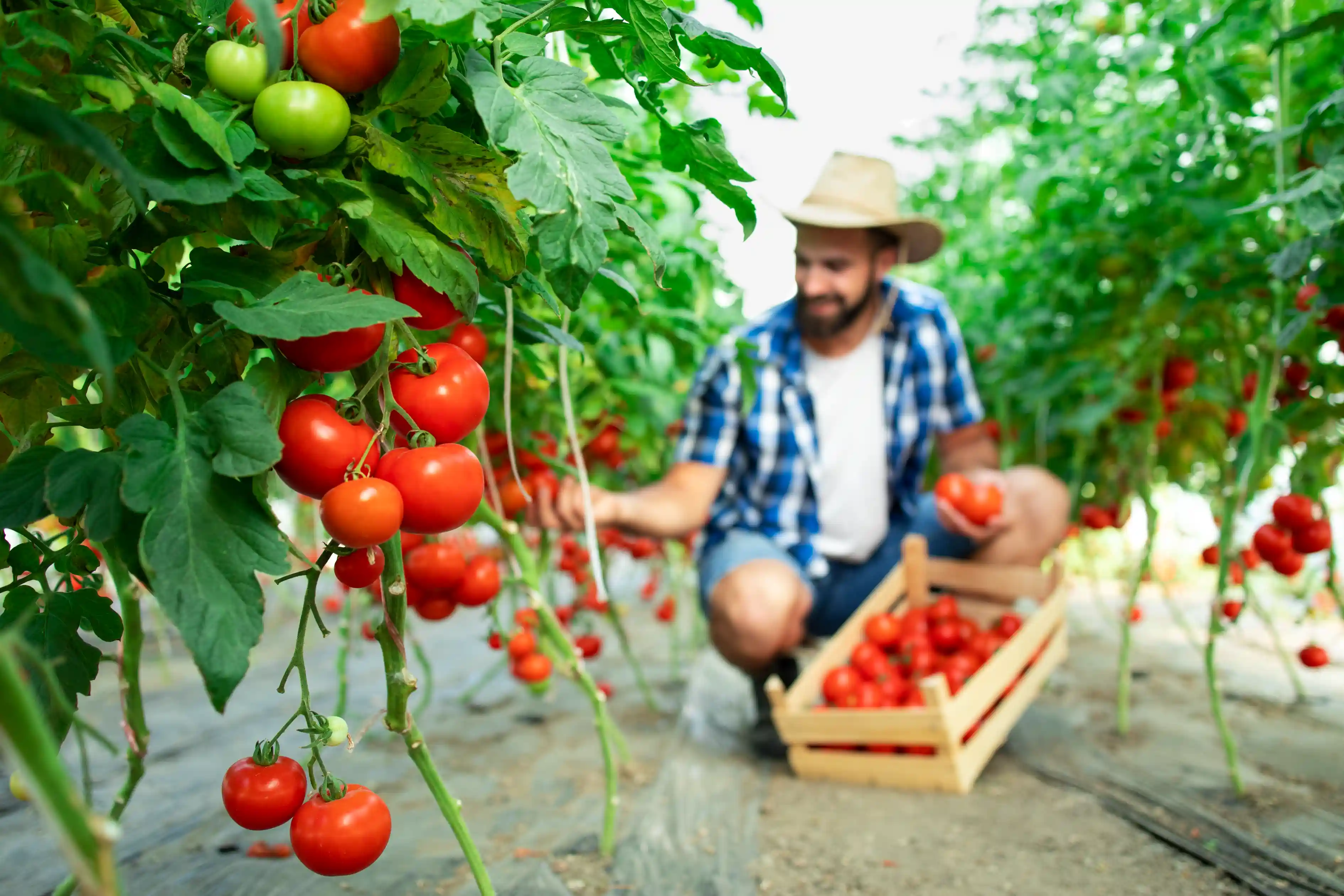
The Agriculture program teaches practical and scientific ways to grow crops, care for animals, and protect the environment. You will study soil science, crop management, plant protection, animal husbandry, agroforestry, and basic ecology. Lessons include classroom theory and hands-on activities such as school farm work, soil testing, nursery management, and simple farm planning. The program leads to careers as an agronomist, soil scientist, farm manager, conservation officer, or environmental scientist, and provides a pathway to agricultural colleges. With practical projects and teamwork, you will develop skills that support sustainable food production and help protect Ghana's natural resources, making a positive difference in your community.
Aims & Objectives
Develop practical skills in soil testing, planting, and crop husbandry through regular field exercises.
Master sustainable farming techniques, including agroforestry, integrated pest management, and soil fertility practices.
Understand ecological principles and perform basic environmental impact assessments for farm systems.
Create clear farm plans, enterprise budgets, and simple records using basic data collection and analysis.
Apply agricultural technology and safety protocols when operating common farm tools and equipment.
Why Choose This Program?
Strong job demand
Ghana needs skilled agricultural professionals for farms, agribusinesses, extension services, and NGOs.
Hands-on learning
Regular fieldwork and laboratory practice build real skills you can use immediately.
Pathway to higher study
Completing the program prepares you for diplomas and degrees in agriculture and environmental science.
Meaningful impact
Work supports food security, rural livelihoods, and environmental conservation in Ghanaian communities.
Industry connections
Opportunities for internships and partnerships with extension services, farms, and agro-companies help start your career.
Skills & Tools
Skills You'll Develop
Use soil testing kits, interpret results, plan fertilizer and crop rotations to improve yield and soil health.
Conduct simple field surveys, sample collection, and evaluate effects of farming on water, soil, and biodiversity.
Implement agroforestry, conservation tillage, and integrated pest management to reduce environmental harm.
Record field data, use spreadsheets and basic statistics to monitor crop performance and make decisions.
Operate GPS units, basic drones where available, and farm management apps for mapping and record keeping.
Tools & Resources
Microsoft Excel
QGIS for mapping
Farm management applications
Basic statistical tools
Challenges & Tips
Challenges
Limited lab or field time to practice skills
Complex scientific concepts like soil chemistry
Tips & Advice
Join school farm clubs, organize small group practice sessions, and ask teachers for extra supervised field days.
Use practical examples, visual aids, and link theory to hands-on experiments to improve understanding.
Video Guide
Frequently Asked Questions
Ready to Apply?
Find programs that match your grades and interests - even if you haven't written WASSCE yet
Loading.. Please wait.

Talk to a Professional
Join a mentorship session with real professionals working in your field of interest.
 Real industry professionals
 Small groups (10-15 students)
 Starting at GH₵ 15 per session