Agricultural Science Education
Overview
Job Growth
N/A
Duration
N/A
Avg. Salary
N/A
Career Paths
N/A
Program Description
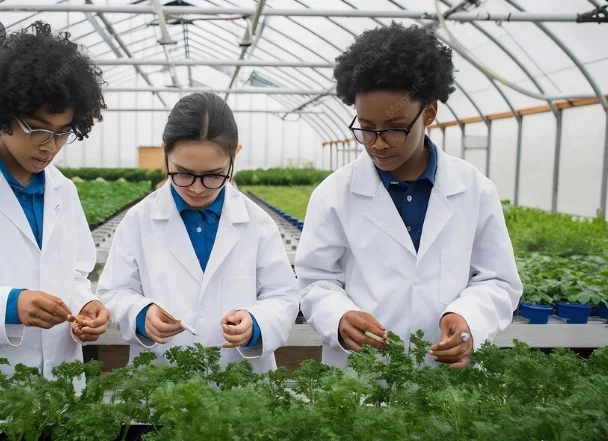
Agricultural Science Education trains you to teach agriculture in schools and communities. You will study crop production, animal husbandry, soil science, agricultural extension, classroom teaching methods, curriculum design, and assessment. The program combines practical farm work with teaching practice so you learn both agriculture and how to share that knowledge with others. Graduates can become school teachers, educational administrators, curriculum developers, special education teachers with an agricultural focus, or educational consultants supporting schools and community projects. This program is a great choice if you enjoy hands-on learning, want to support food security in Ghana, and wish to inspire the next generation of farmers and agri-entrepreneurs.
Aims & Objectives
Develop clear, curriculum-aligned lesson plans for theory and practical agricultural classes, and deliver at least one assessed teaching practice session each term.
Master core agricultural concepts, including crop production, animal husbandry, and soil management, and demonstrate practical skills on a school demonstration plot.
Create and use formative and summative assessment tools to measure student learning and improve lesson outcomes.
Use educational technology to create teaching resources and manage classroom activities, including at least one digital lesson per term.
Why Choose This Program?
Strong job demand
Schools and community programs need trained agricultural teachers and educators to support practical agricultural education across Ghana.
Hands-on learning
Practical lessons on demonstration farms and field trips build real skills you can show employers and use in your community.
Clear career pathways
Leads to roles in teaching, school administration, curriculum development, extension services, and educational consulting.
Industry links and internships
Opportunities to work with District Agriculture Offices, NGOs, and schools for internships and community projects that boost experience.
Skills & Tools
Skills You'll Develop
Design age-appropriate, curriculum-aligned lesson plans and practical schemes of work for agricultural topics, using national standards.
Conduct soil tests, plant and manage crops, basic animal care, and demonstrate sustainable practices on a school plot.
Create tests, practical checklists, and continuous assessment tools to measure student progress and inform teaching.
Use Google Classroom, presentation software, and simple digital tools to prepare lessons, share resources, and track student work.
Tools & Resources
Microsoft Office or LibreOffice
Google Classroom
Simple farm record or extension mobile apps
Kahoot or quiz tools for assessments
Challenges & Tips
Challenges
Balancing theory and practical work
Complex science concepts
Tips & Advice
Create a weekly timetable that reserves time for fieldwork and revision, and join study groups to reinforce theory.
Use visual aids, practical demonstrations, and ask teachers for extra labs or simplified notes to build understanding.
Video Guide
Frequently Asked Questions
Ready to Apply?
Find programs that match your grades and interests - even if you haven't written WASSCE yet
Loading.. Please wait.

Talk to a Professional
Join a mentorship session with real professionals working in your field of interest.
 Real industry professionals
 Small groups (10-15 students)
 Starting at GH₵ 15 per session