Agricultural Science
Overview
Job Growth
N/A
Duration
N/A
Avg. Salary
N/A
Career Paths
N/A
Program Description
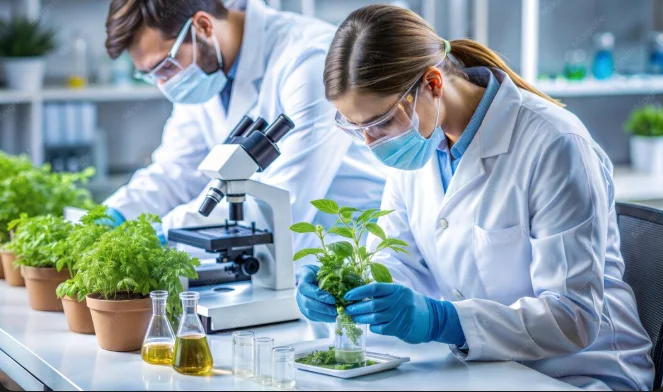
Agricultural Science teaches how to grow crops, manage soil, raise livestock, and protect natural resources. You will study crop production, soil science, pest and disease control, agroforestry, farm business management, and environmental conservation. Lessons combine classroom theory with practical work on school farms, field trips, and experiments. Graduates can become agronomists, soil scientists, farm managers, conservation officers, or environmental scientists, and can work with farms, government agencies, NGOs, and agribusinesses. This program prepares students with practical farming techniques, sustainable practices, and problem-solving skills that help Ghanaian communities produce food, conserve ecosystems, and build successful agricultural careers.
Aims & Objectives
Develop practical skills in soil testing, planting, and crop management through hands-on farm work.
Master principles of sustainable farming and conservation to design eco-friendly farm plans.
Understand the relationships between climate, soil, water, and crop yield using data collection methods.
Create basic farm business plans and record-keeping systems to evaluate productivity and profitability.
Apply environmental impact assessment techniques to recommend conservation measures and best practices.
Why Choose This Program?
Hands-on Learning
Combine classroom theory with practical experience on school farms and field sites to build real skills.
Strong Career Demand
High need for trained professionals in agronomy, soil science, and farm management across Ghana.
Sustainable Impact
Learn methods that increase yields while protecting soil, water, and biodiversity, benefiting communities.
Industry Connections
Opportunities to work with MOFA extension officers, agricultural research stations, NGOs, and agribusiness internships.
Practical Earnings
Skills can lead to immediate income through farm work, agribusiness, contract farming, and value-added activities.
Skills & Tools
Skills You'll Develop
Use pH meters, field test kits, and simple lab methods to assess soil fertility and recommend amendments.
Plan planting schedules, spacing, fertilization, and pest control using integrated pest management practices.
Conduct basic assessments to evaluate farming effects on water, soil erosion, and local ecosystems.
Apply mapping tools like QGIS or GPS devices to plan land use, monitor fields, and record farm data.
Operate simple technologies such as moisture sensors, mobile farm management apps, and small drones for monitoring.
Tools & Resources
QGIS or other GIS software
farm management apps (e.g., FarmLogs, iFarmer)
spreadsheet software (Excel, Google Sheets)
data analysis tools (R or basic SPSS)
Challenges & Tips
Challenges
Heavy science and practical workload.
Complex concepts like soil chemistry and ecology.
Tips & Advice
Attend practical sessions, form study groups, and seek help from teachers early.
Use visual aids, simple experiments, and online tutorials to reinforce learning.
Video Guide
Frequently Asked Questions
Ready to Apply?
Find programs that match your grades and interests - even if you haven't written WASSCE yet
Loading.. Please wait.

Talk to a Professional
Join a mentorship session with real professionals working in your field of interest.
 Real industry professionals
 Small groups (10-15 students)
 Starting at GH₵ 15 per session