Agricultural Engineering
Overview
Projected Job Growth
N/A
Duration of Study
N/A
Annual Average Salary
N/A
Career Opportunities
N/A
Program Description
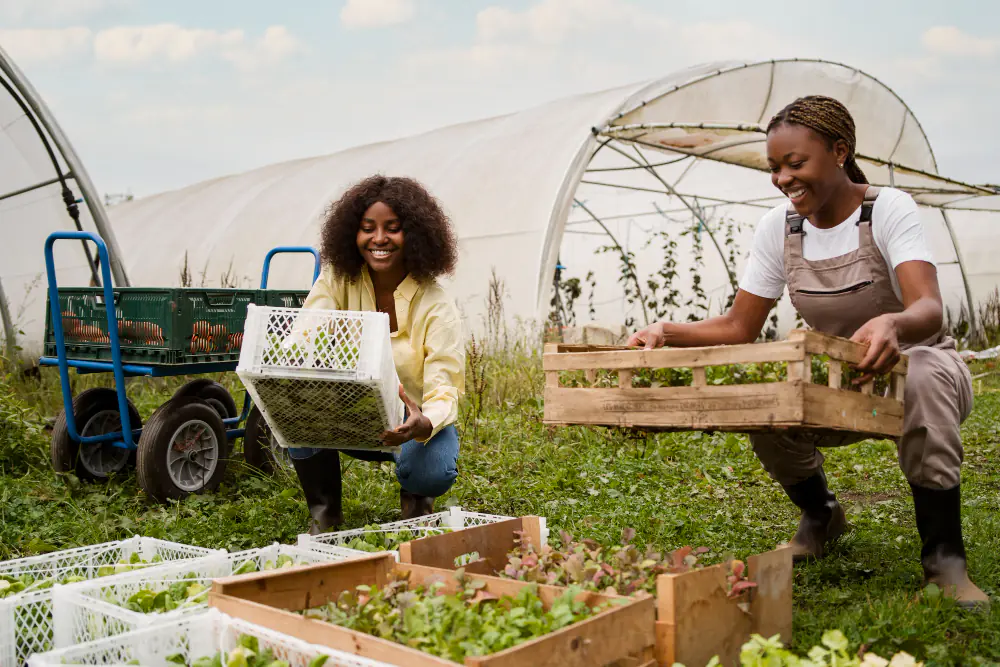
Agricultural Engineering combines farming science and engineering to improve food production and protect the environment. In this program you will study soil science, crop management, farm machinery, irrigation, drainage, agroforestry, and environmental conservation. You will learn practical skills like soil testing, using farm tools and technologies (GIS, basic drones), and designing sustainable farm systems that conserve natural resources. The course leads to careers such as agronomist, environmental scientist, farm manager, soil scientist, and conservation officer, and opens doors to government agencies, research institutes, agribusiness and farming enterprises. If you like hands-on work, problem solving, and helping communities grow food sustainably, this program gives you the knowledge and tools to make a real impact in Ghana’s agriculture and environment.
Aims and Objectives
Develop practical skills in soil testing and crop management with measurable proficiency in basic laboratory and field techniques.
Master safe operation and basic maintenance of common agricultural machinery and equipment through supervised hands-on practice.
Understand principles of environmental impact assessment and design sustainable farming plans that reduce erosion and conserve water.
Create and evaluate farm management plans using data collection and simple GIS or spreadsheet analysis to improve yields.
Analyze and present agricultural data clearly, demonstrating the ability to make recommendations for improved productivity and sustainability.
Why Choose This Program?
High demand in Ghana
Agriculture is central to Ghana’s economy, creating strong job prospects in farms, agribusiness, research and government.
Hands-on learning
You get practical fieldwork, lab sessions and farm visits that build real-world skills employers value.
Technology and innovation
Training includes modern tools like GIS, farm management systems and drone applications for precision farming.
Career variety and entrepreneurship
Paths include technical roles, management, research and starting your own agribusiness or consultancy.
Industry links and internships
Programs often connect students with farms, research centers and NGOs for internships and project experience.
Skills Students Will Acquire
Learn soil sampling, pH and nutrient testing, fertilizer planning and crop rotation methods to boost yields sustainably.
Assess how farm activities affect ecosystems and design mitigation measures to protect soil, water and biodiversity.
Apply agroforestry, conservation agriculture and water-saving irrigation to increase resilience and reduce degradation.
Use GIS (QGIS/ArcGIS basics) and spreadsheets to map fields, analyse soil and yield data, and guide management decisions.
Handle equipment such as basic tractors, sprayers, soil testing kits and agricultural drones for monitoring and application.
Tools and Resources Students Will Use
QGIS / ArcGIS (GIS software)
Farm management systems (farm planning software)
Microsoft Office (Excel for data analysis)
Remote sensing and mapping platforms
Challenges Students Face and Helpful Tips
Challenges
Heavy science and maths content can be difficult for some students.
Balancing theory with intensive fieldwork and labs.
Tips & Advice
Strengthen basics early—join extra lessons, use Khan Academy and study groups to build confidence.
Create a weekly schedule, prepare field notes in advance, and review practical work soon after sessions.
Video Guide
Frequently Asked Questions
All your queries answered.