Agricultural Economics
Overview
Job Growth
N/A
Duration
N/A
Avg. Salary
N/A
Career Paths
N/A
Program Description
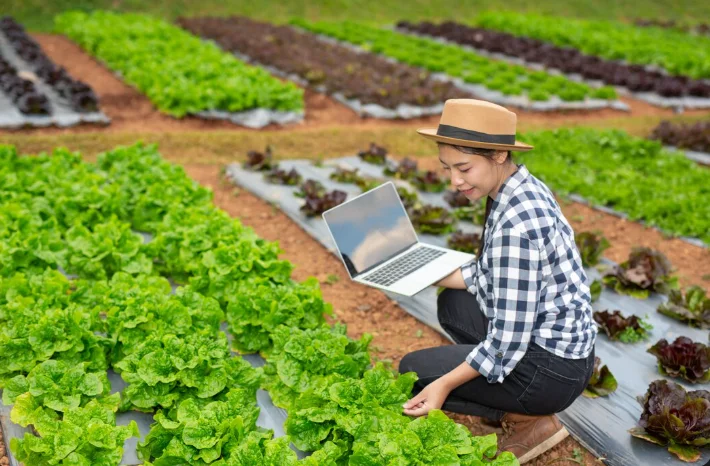
Agricultural Economics studies how farming, natural resources, and markets interact to produce food and support rural livelihoods. You will learn basic economics, farm management, soil and crop management, environmental conservation, and data analysis. The program combines classroom lessons with hands-on fieldwork on school farms and community projects. Graduates can become agronomists, farm managers, soil scientists, conservation officers, or work in agribusiness, government extension services, and NGOs. This course prepares you to improve farm productivity, plan sustainable land use, and make business decisions that benefit farmers and the environment. If you enjoy science, the outdoors, and solving practical problems, this program can lead to rewarding careers that help feed Ghana and protect our natural resources.
Aims & Objectives
Develop understanding of basic economic principles as they apply to farming and rural markets, measurable by preparing cost-benefit analyses for small farms.
Master practical soil and crop management techniques, measurable by conducting soil tests and recommending fertilizer and crop rotation plans.
Understand methods for assessing environmental impacts and sustainable farming, measurable by completing an environmental impact checklist for a farm plot.
Create practical farm business plans and market strategies, measurable by producing a simple budgeted enterprise plan for a crop or livestock project.
Why Choose This Program?
Strong career demand
Graduates are needed in agribusiness, extension services, conservation agencies, and NGOs, offering varied job paths across Ghana.
Hands-on, practical learning
Fieldwork on school farms and community projects builds real farming and soil testing experience employers value.
Entrepreneurship opportunities
Training in farm business planning equips you to start or improve a small-scale agribusiness or cooperatives.
Industry connections and internships
Opportunities to work with local extension services, agricultural research centers, and NGOs help build networks and practical experience.
Skills & Tools
Skills You'll Develop
Perform simple soil tests, interpret results, recommend fertilizer, and apply crop rotation and agroforestry practices to improve yields.
Use checklists and basic sampling to evaluate how farming practices affect soil, water, and biodiversity, and propose mitigation measures.
Collect farm-level data, record yields and costs, and analyse results using spreadsheets and simple statistics to inform decisions.
Operate basic tools such as moisture meters, GPS-enabled devices, and mobile apps for mapping, record-keeping, and extension advice.
Tools & Resources
Microsoft Excel or similar spreadsheet
Google Earth or basic mapping app
Challenges & Tips
Challenges
Strong science and maths components
Seasonal fieldwork clashes with exams
Tips & Advice
Attend extra lessons, form study groups, and practise applied problems to build confidence.
Plan ahead with teachers, balance schedules, and complete written work before busy seasons.
Video Guide
Frequently Asked Questions
Ready to Apply?
Find programs that match your grades and interests - even if you haven't written WASSCE yet
Loading.. Please wait.

Talk to a Professional
Join a mentorship session with real professionals working in your field of interest.
 Real industry professionals
 Small groups (10-15 students)
 Starting at GH₵ 15 per session